
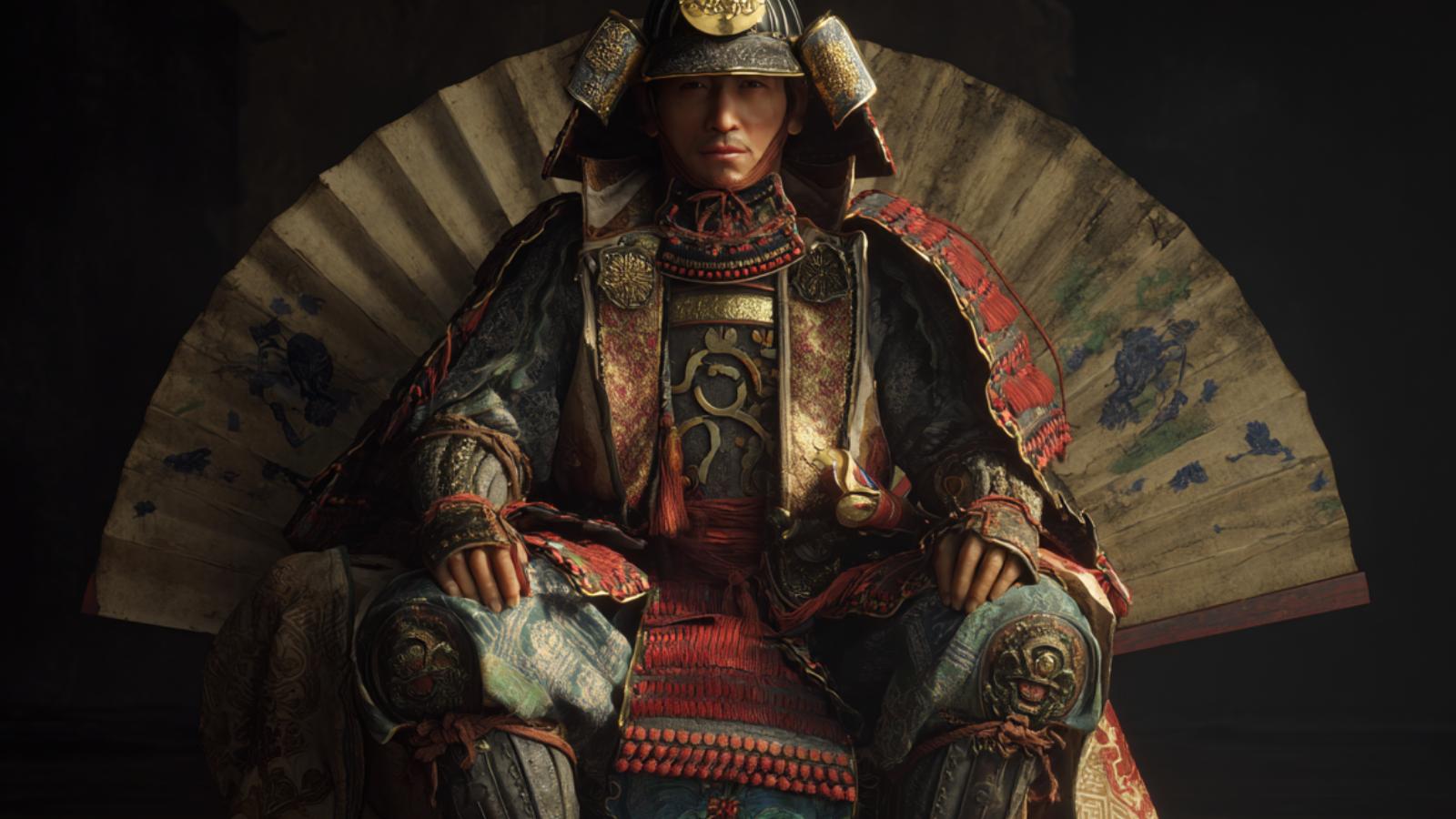
“武士は死ぬためにある。”
— A warrior exists to die.

| Lead 統率 |
Valor 武勇 |
Intel 知略 |
Pol 政治 |
|---|---|---|---|
| 85 | 80 | 75 | 70 |
| Name (JP) | 伊達 晴宗 |
|---|---|
| Title | Daimyo |
| Clan / Force | Date Clan |
| Era | 1526 – 1585 |
| Origin | Mutsu |
| Key Battles | |
| Arts | Noh Theater |
About Date Harumune
His lineage as a shugo positioned him within the ranks of the samurai elite, and he was raised with the expectations and responsibilities that came with this status.
Harumunes was marked by the conflicts that characterized the Sengoku period, which shaped his ambitions and future endeavors.
Ascending to power, Harumune became a formidable daimyo.
Under his leadership, the Date clan expanded its territories in Mutsu and developed strong military strategies.
Known for his tactical prowess, he engaged in various against rival clans, securing victories that increased his influence in the region.
Despite facing significant challenges, Harumunes ability to rally his samurai and form strategic alliances set him apart as a capable leader.
Date Harumunes era was defined by a series of conflicts with neighboring clans, such as the Ashina and the Mogami.
His leadership during the Siege of Kunohe showcased not only his military skill but also his commitment to his followers.
While he was not invincible, his reputation as a warrior and strategist earned him respect among allies and foes alike.
Harumunes campaigns often revolved around the clever use of terrain and surprising tactical maneuvers, solidifying his reputation as a great general of his time.
Harumune’s is reflected in the continued importance of the Date clan in Japanese history, especially through his descendants such as Date Masamune.
He is remembered as a significant figure who contributed to the cultural tapestry of the region, promoting arts such as Noh theater.
His quote, A warrior exists to die, encapsulates the samurai spirit he embodied—one of honor, loyalty, and an understanding of the harsh realities of his time.








comment