
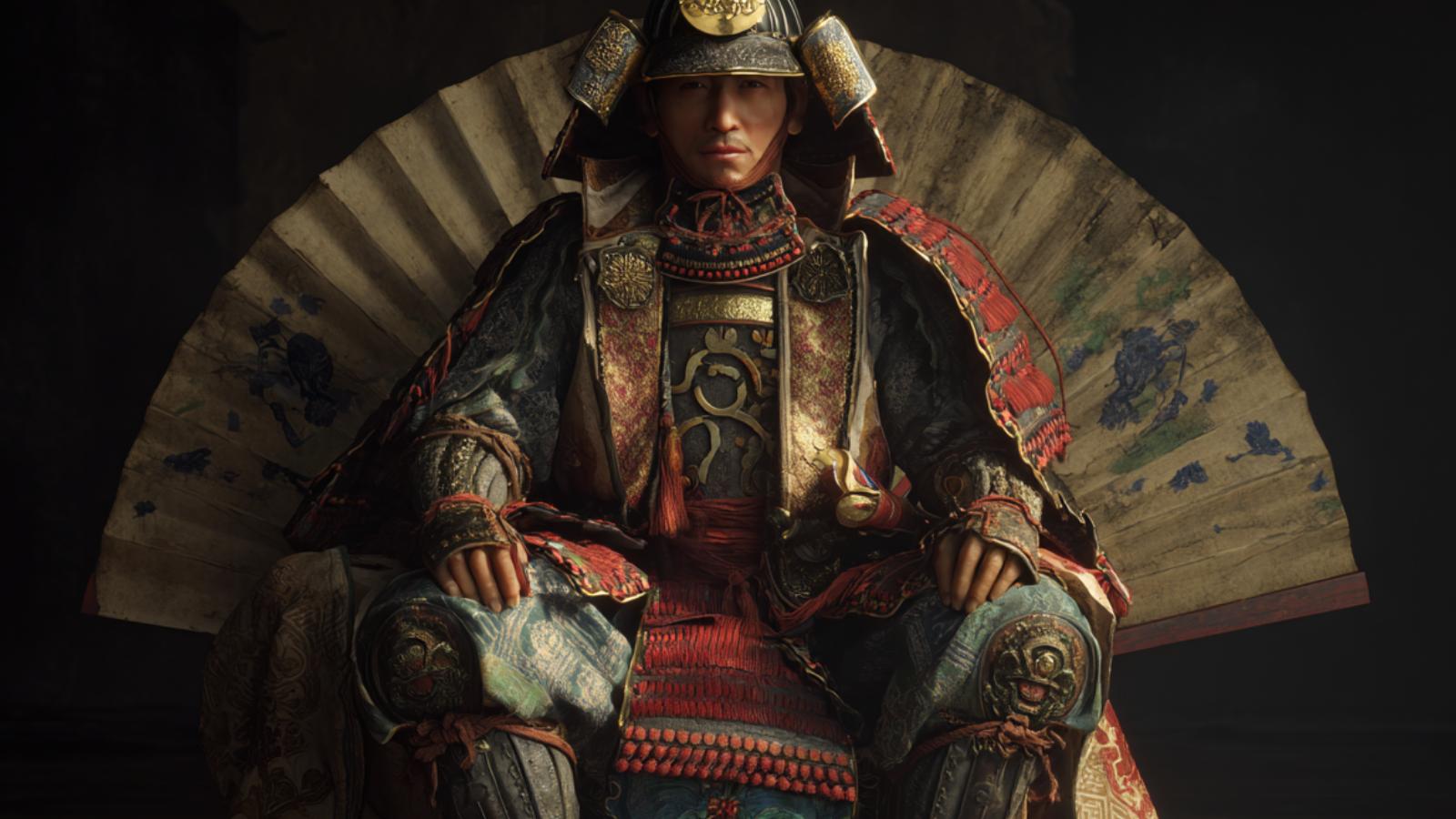
“勝者はその日を忘れない。”
— The victor does not forget that day.

| Lead 統率 |
Valor 武勇 |
Intel 知略 |
Pol 政治 |
|---|---|---|---|
| 75 | 70 | 80 | 72 |
| Name (JP) | 伊達 稙宗 |
|---|---|
| Title | Daimyo |
| Clan / Force | Date Clan |
| Era | 1493 – 1537 |
| Origin | Mutsu |
| Key Battles | |
| Arts | Calligraphy |
About Date Tanemune
Growing up in the midst of the Sengoku period’s chaos, he was trained in martial arts and strategy from a young age, reflecting the turbulent nature of the time.
As a child of the Date clan, he inherited a long of leadership and military prowess, positioning himself as a future key figure in the region.
Tanemune ascended to the of Daimyo after proving himself in various conflicts, displaying considerable leadership ability and strategic insight.
Throughout his, he formed crucial alliances and contributed to the consolidation of the Date clans power, particularly through strategic marriages and securing prosperous lands.
His reputation as a capable leader began to spread, earning him respect among his contemporaries and influence in Mutsu.
During his rule, Tanemune engaged in numerous skirmishes and, showcasing both his valor and tactical intelligence.
While not the most famous general of his time, he understood the importance of guerrilla tactics, often employing ambushes and utilizing the rugged terrain of his homeland to his advantage.
His fighting style emphasized mobility over brute strength, which often left a significant impact on his enemies.
Date Tanemunes contributions to the Date clan were vital in its evolution into a formidable power during the Sengoku period.
Despite his relatively lower historical profile compared to later leaders like Date Masamune, Tanemune set the foundations for his descendants to thrive in the complex political landscape of feudal Japan.
He remains a respected figure in history, representing loyalty and commitment to his clan, while reflecting the broader struggles of the time.








comment