
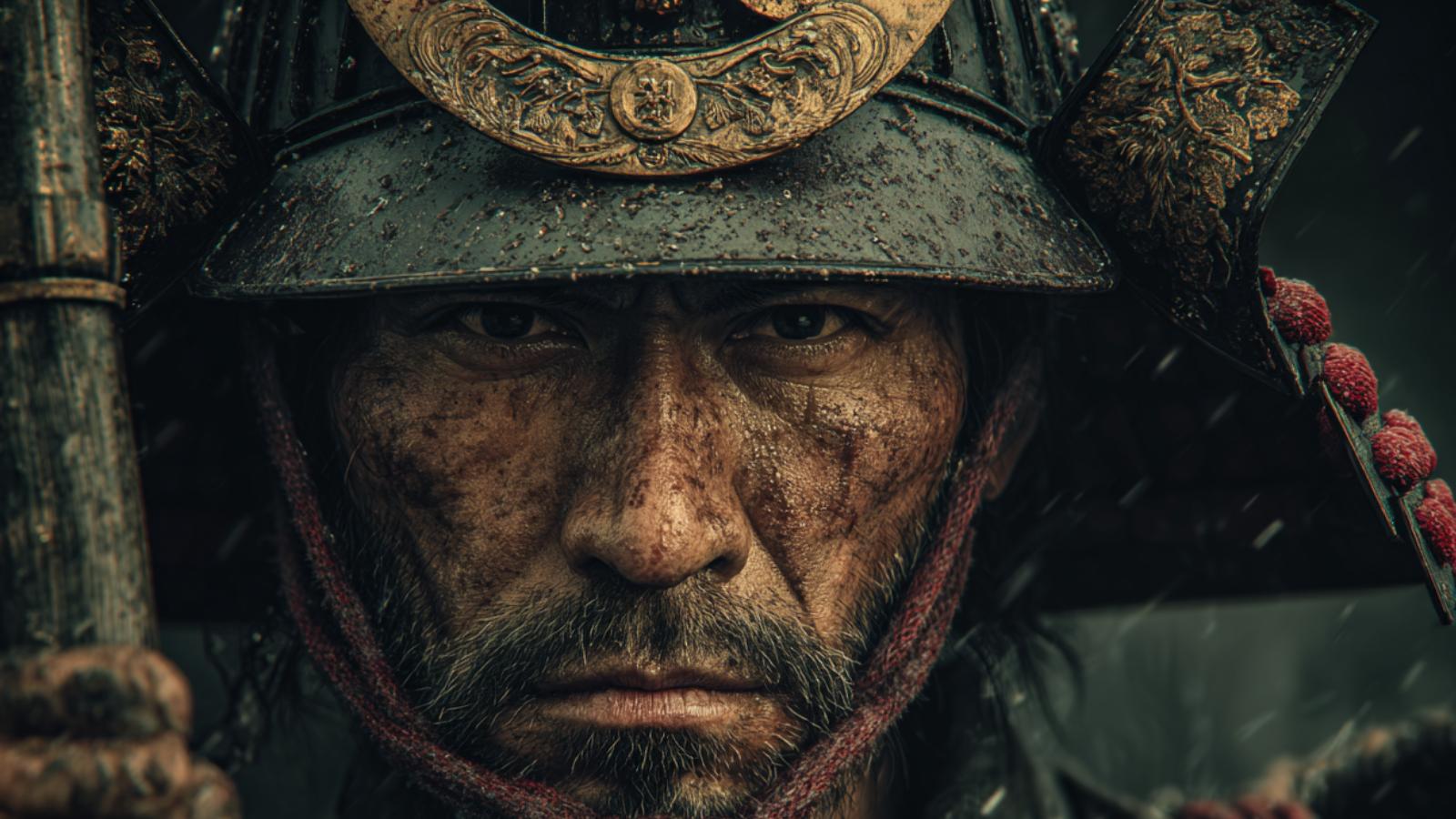
“武士は食わねど高楊枝”
— A samurai would rather starve than eat with a bent chopstick.

| Lead 統率 |
Valor 武勇 |
Intel 知略 |
Pol 政治 |
|---|---|---|---|
| 75 | 70 | 80 | 65 |
| Name (JP) | 後藤 純明 |
|---|---|
| Title | Chief Retainer |
| Clan / Force | Unknown |
| Era | 1552 – 1631 |
| Origin | Owari |
| Key Battles | |
| Arts | Calligraphy |
About Goto Sumiaki
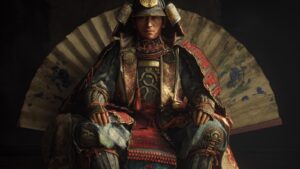
Growing up during the tumultuous Sengoku period, he was trained in the art of warfare and strategy at a young age.
His father, a respected retainer of the Oda clan, instilled in him the values of bushido and the importance of serving a noble cause.
Sumiakis to prominence began when he became a chief retainer for the Tokugawa clan.
His talents in leadership and strategy soon became apparent during various conflicts as he helped to secure victories that bolstered Tokugawa Ieyasu’s power.
Despite being overshadowed by more famous generals of the era, Sumiaki earned a reputation for his tactical intelligence and ability to manage troops effectively in battle.
Throughout his career, Goto Sumiaki participated in several key, including the Battle of Sekigahara in 1600, where he demonstrated his prowess in both combat and strategic planning.
His loyalty to Tokugawa Ieyasu would ultimately contribute to the unification of Japan under the Tokugawa shogunate.
His keen understanding of battlefield dynamics allowed him to gain the respect of his peers and subordinates alike.
Goto Sumiaki passed away in 1631, leaving behind a as a capable and respected samurai.
Although not as famous as some of his contemporaries, his contributions to the Tokugawas to power are acknowledged by historians.
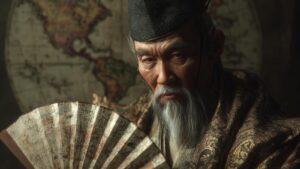
Today, Sumiaki is remembered not only for his military skills but also for his commitment to the samurai code and the preservation of Japanese arts such as calligraphy.




comment