
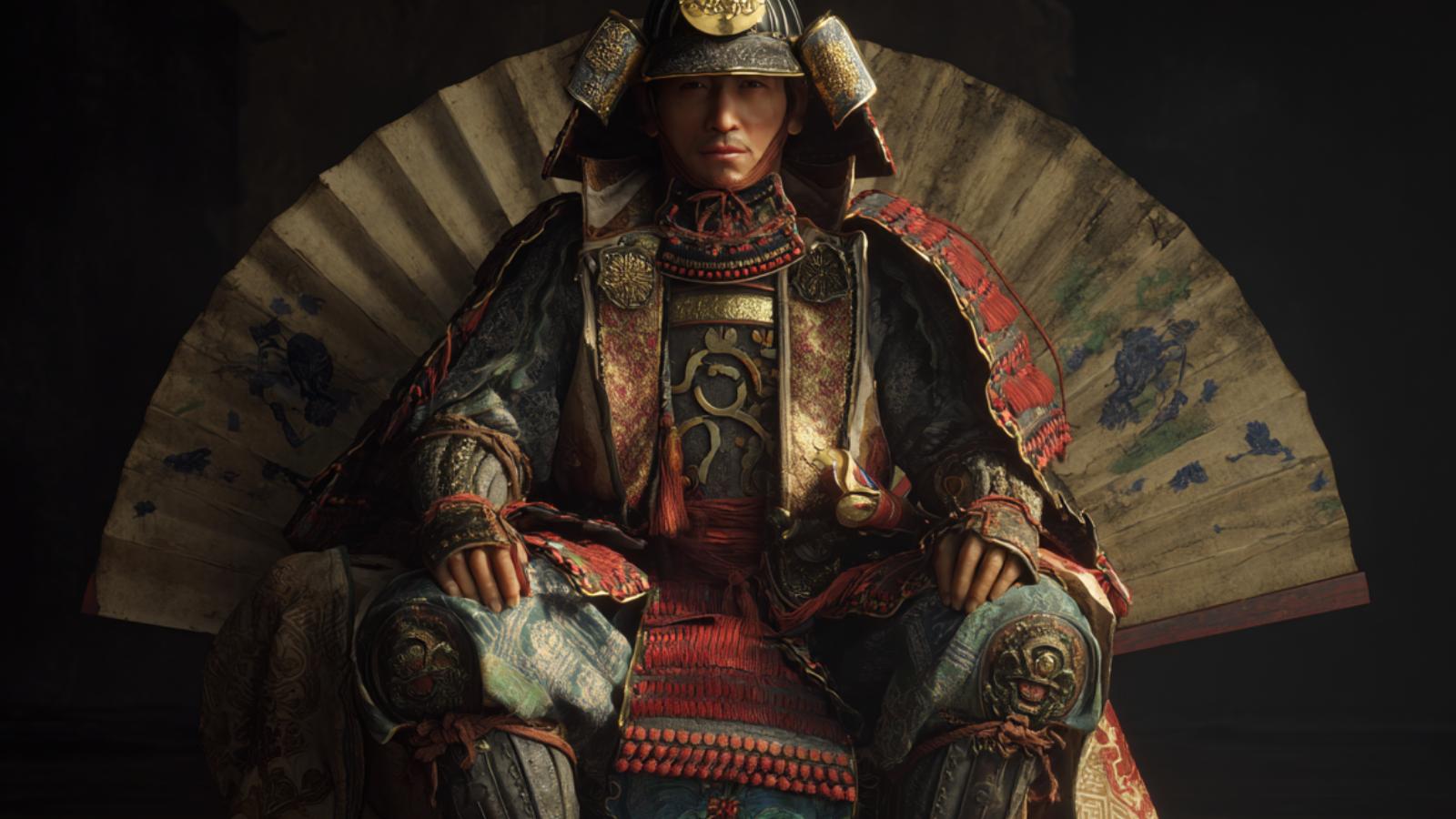
“義を守って、強きを倒す者が真の武士である。”
— A true warrior protects justice and brings down the strong.

| Lead 統率 |
Valor 武勇 |
Intel 知略 |
Pol 政治 |
|---|---|---|---|
| 72 | 68 | 75 | 70 |
| Name (JP) | 甲斐 宗運 |
|---|---|
| Title | Daimyo |
| Clan / Force | Takeda Clan |
| Era | 1530 – 1582 |
| Origin | Kai |
| Key Battles | |
| Arts | Noh Theater |
About Kai Sorin
Growing up during a time of constant warfare, he was trained in various martial arts and strategy from a young age, developing a reputation for his tactical mind and leadership abilities as he rose in the ranks of local samurai.
Sorin ascended to power during a turbulent time, positioning himself as a capable leader and strategist.
He managed to unify various factions within Kai, displaying his skill in governance and politics that allowed him to de-escalate conflicts and build alliances.
His ability to maintain control over his territory while navigating the complex relationships with other daimyos won him respect among his peers.
Throughout his career, Sorin participated in numerous that were significant in shaping his .
Although he was not as renowned for personal combat as some of his contemporaries, his strategic foresight led to many successful military campaigns.
He was known for employing innovative tactics that often caught his enemies off guard, leading to victories that solidified his position.
His decisions on the battlefield were often guided by a keen understanding of his opponents strategies and the capabilities of his own forces.
Kai Sorins is influential even generations later, as he is remembered as a competent daimyo who prioritized the welfare of his people and demonstrated a blend of martial prowess and political savvy.
As a proponent of Noh Theater and traditional arts, his contributions to culture in the Kai province have also led him to be remembered beyond the battlefield.
His belief that a true warrior protects justice remains a guiding principle that resonates with samurai practices even to this day.









comment