
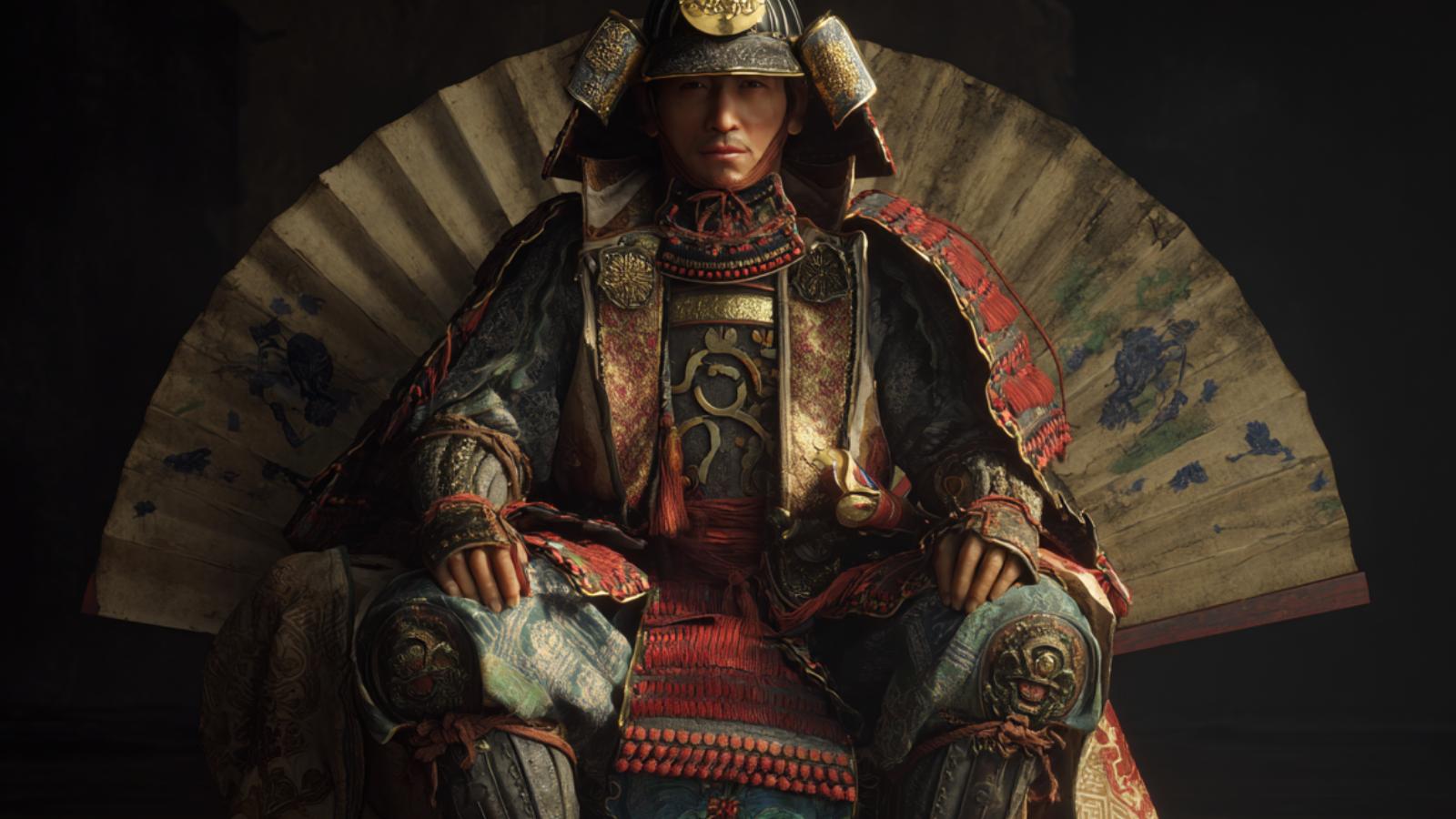
“武士は武士である限り、誇りを持つべきだ。”
— A warrior must hold pride as long as he is a warrior.

| Lead 統率 |
Valor 武勇 |
Intel 知略 |
Pol 政治 |
|---|---|---|---|
| 75 | 82 | 70 | 65 |
| Name (JP) | 北郷 時久 |
|---|---|
| Title | Daimyo |
| Clan / Force | Unknown |
| Era | 1554 – 1621 |
| Origin | Satsuma |
| Key Battles | |
| Arts | Martial Arts |
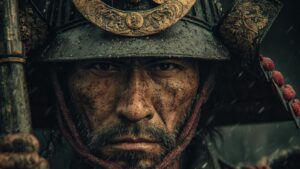
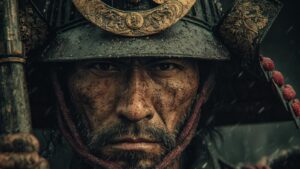
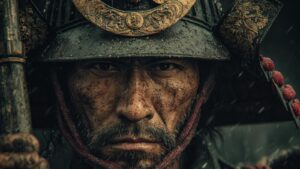
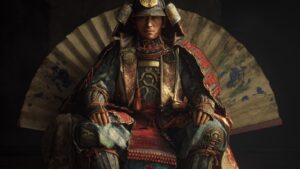
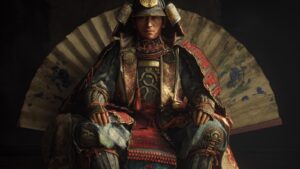
About Hongo Tokihisa
Coming from a family of shugo, he was raised in a warrior culture that emphasized martial prowess and governance.
His early years were marked by the teachings of samurai ethics, and from a young age, he was groomed for leadership in the intricacies of both battle and politics.
With the of powerful daimyo during the Sengoku period, Tokihisa quickly made a name for himself.
His skill in battle garnered respect from his peers, and he became a significant figure in the local conflicts that characterized the turbulent times.
Over the years, he negotiated with other clans and carved out a position of authority that would lead him to become a daimyō himself, overseeing a considerable territory in Satsuma.
Tokihisa participated in numerous throughout his career, showcasing his valor and tactical intelligence.
His combat prowess was recognized during skirmishes with rival clans, where he led his troops with a brave and decisive approach.
This earned him the admiration of his men and solidified his reputation as a capable general.
Despite facing fierce opposition, he managed to maintain relative stability in his domain, attributed largely to his combat skills and his deft political maneuvering.
Hongo Tokihisas is one of strength, protection, and leadership.
He is remembered not just for his military campaigns, but also for his contributions to the cultural and political landscape of his time.
His emphasis on pride and honor amongst warriors continues to resonate in the values of Japans historical narrative, illustrating the complex nature of samurai duty beyond mere warfare.
comment