
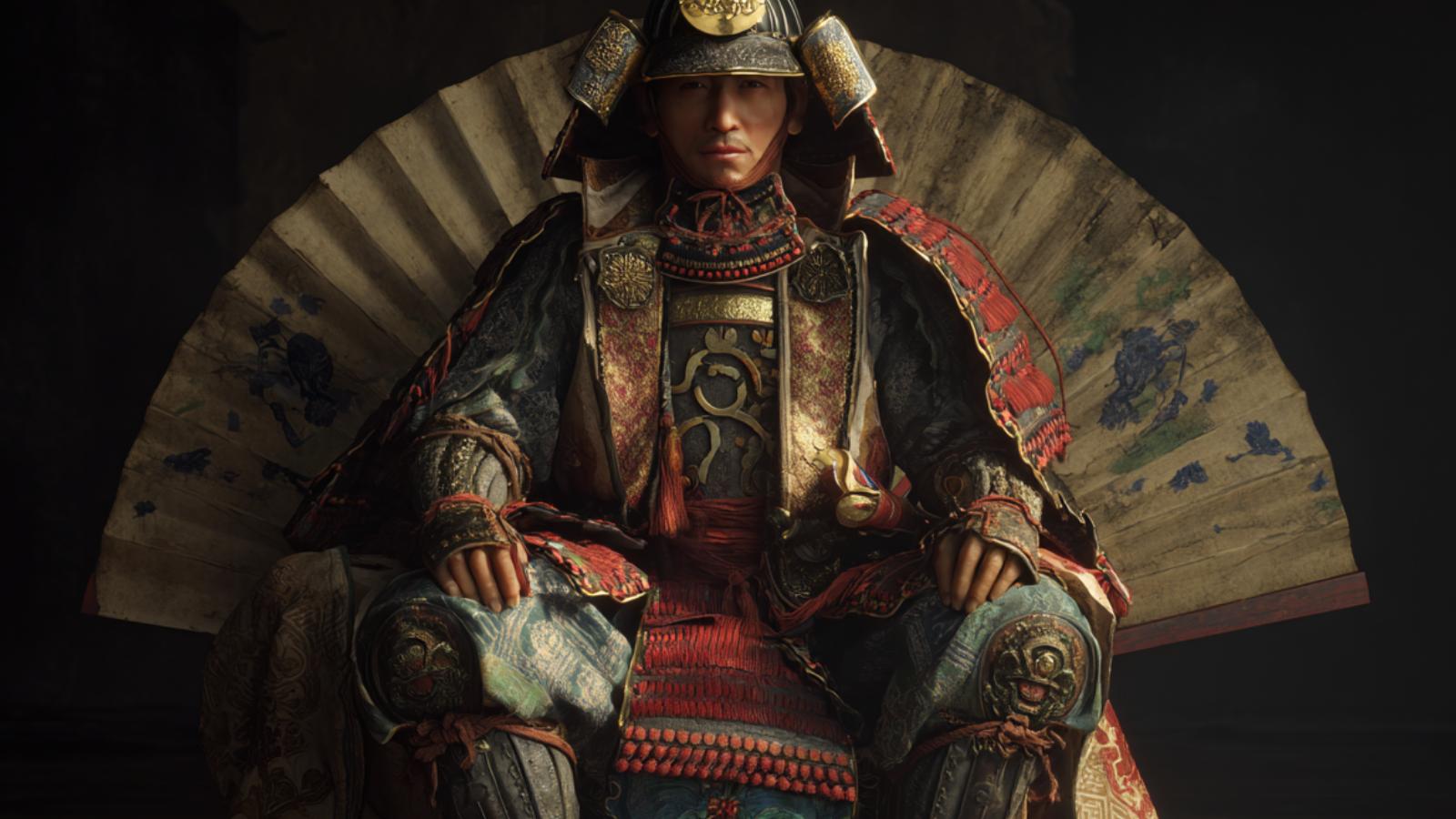
“勝つためにはまず己を知ることが大切だ。”
— To win, it is important to first know oneself.

| Lead 統率 |
Valor 武勇 |
Intel 知略 |
Pol 政治 |
|---|---|---|---|
| 75 | 65 | 70 | 60 |
| Name (JP) | 山田 有信 |
|---|---|
| Title | Daimyo |
| Clan / Force | Unknown |
| Era | 1550 – 1616 |
| Origin | Bungo |
| Key Battles | |
| Arts | Calligraphy |
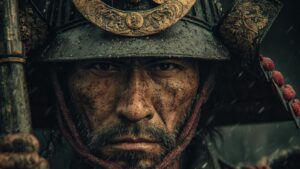
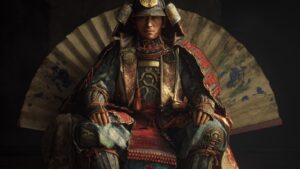
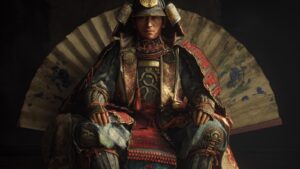
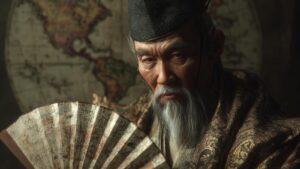
About Yamada Arinobu
From an early age, he was exposed to the principles of bushido and the importance of loyalty and strategy.
He was well-educated, particularly in calligraphy, which was a valued art among samurais.
His was marked by the turmoil of the Sengoku period, which greatly influenced his development as a warrior and a leader.
Arinobu began his career serving under a local lord, where he demonstrated promise as both a warrior and a strategist.
As he earned the trust of his superiors, he was given more responsibilities and challenges.
During various skirmishes and, he showcased a keen understanding of the battlefield, although not without shortcomings in personal valor, where he preferred to lead from behind rather than take the front lines.
His administrative capabilities soon led to his recognition as a capable daimyo.
Throughout his career, Yamada Arinobu was involved in several key of the late Sengoku period.
While he was not among the most famous generals, his contributions were crucial in smaller conflicts that paved the way for greater strategic victories.
He emphasized the importance of intelligence and preparation over brute force, which sometimes put him at odds with more aggressive warriors of his time.
Yamada Arinobu passed away in 1616, leaving behind a of capable leadership and effective governance in Bungo province.
He is remembered not only for his military strategies but also for his contributions to cultural arts, particularly calligraphy.
Today, he is regarded as a capable figure of his time, eming the balance between martial prowess and cultural sophistication.
comment