
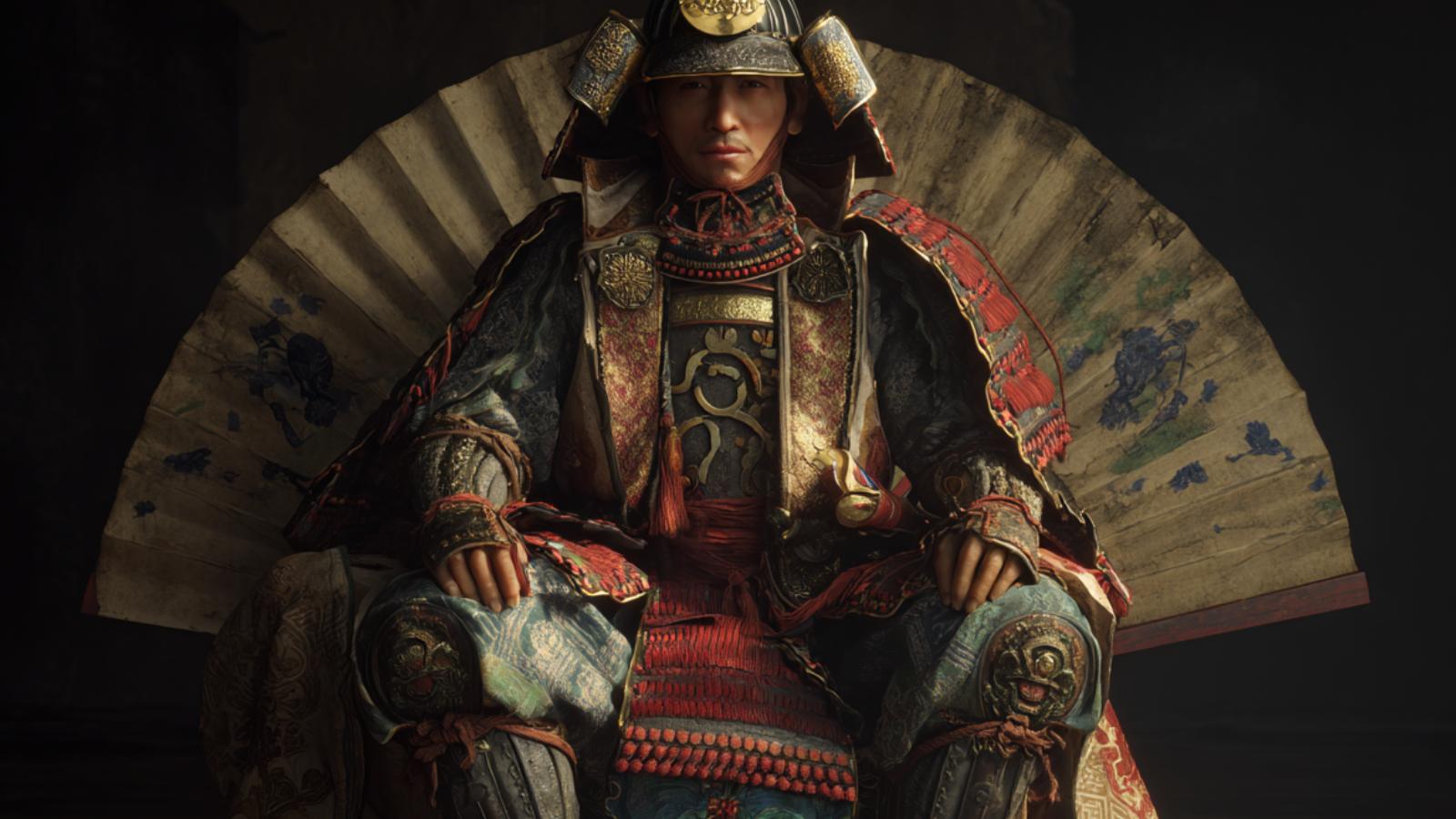
“武士の道は誠と忠義にある。”
— The way of the samurai lies in truth and loyalty.

| Lead 統率 |
Valor 武勇 |
Intel 知略 |
Pol 政治 |
|---|---|---|---|
| 75 | 70 | 78 | 65 |
| Name (JP) | 成富 茂安 |
|---|---|
| Title | Daimyo |
| Clan / Force | Kamakura Shogunate |
| Era | 1543 – 1610 |
| Origin | Chikuzen |
| Key Battles | |
| Arts | Noh Theatre |
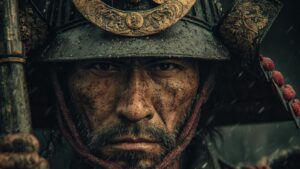
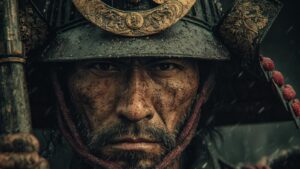
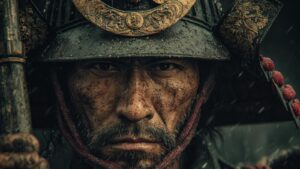
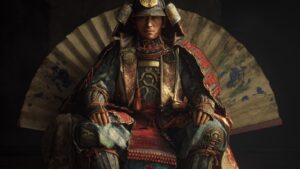
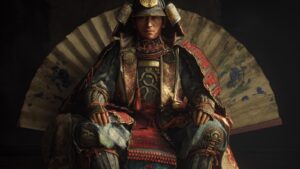
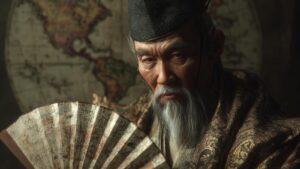
About Naritomi Shigeyasu
His lineage granted him a firm foundation in martial traditions and governance, enabling him to cultivate both military acumen and an appreciation for culture from an early age.
Raised during a tumultuous era of constant regional conflicts, he quickly became aware of the intricacies of warfare and diplomacy.
As he matured, Shigeyasu took on leadership roles in various military campaigns, building a reputation as a capable general.
His strategic mind allowed him to navigate the complex political landscape of the Sengoku period, aligning with powerful clans while also maintaining his independence.
He was known for his ability to gather and inspire troops, often leading from the front lines.
His leadership was marked by a blend of bravery and tactical knowledge that earned him respect from his peers and loyalty from his retainers.
Naritomi Shigeyasu participated in several crucial throughout his career, including skirmishes against neighboring clans as well as significant engagements that supported the unification efforts of his contemporaries.
His valor in battle was complemented by a keen understanding of the ebb and flow of warfare, allowing him to adapt his strategies on the fly.
Although not the most famous of warriors, his consistent performance in the field kept his daimyo party relevant during the era of great upheaval.
After his death in 1610, Naritomi Shigeyasu was remembered not just for his martial prowess but also for his contributions to cultural pursuits such as Noh theatre.
As a patron of the arts, he left behind a that demonstrated the duality of the samurai spirit — to fight fiercely but also to appreciate beauty.
His teachings on loyalty and honor resonated across future generations, embedding him in the history of the samurai as a figure who embodied both the sword and the pen.
comment