

“智恵は愚者の剣である。”
— Wisdom is the sword of the fool.

| Lead 統率 |
Valor 武勇 |
Intel 知略 |
Pol 政治 |
|---|---|---|---|
| 72 | 68 | 75 | 70 |
| Name (JP) | 臼杵 鑑速 |
|---|---|
| Title | Daimyo |
| Clan / Force | Unknown |
| Era | 1538 – 1601 |
| Origin | Bungo |
| Key Battles | |
| Arts | Calligraphy |
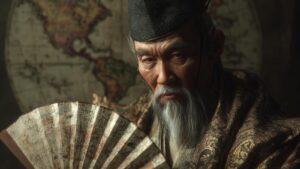
About Usuki Akisumi
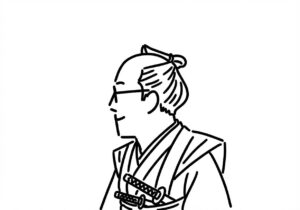
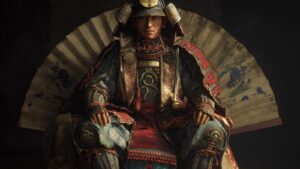
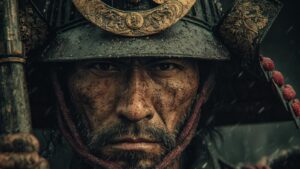
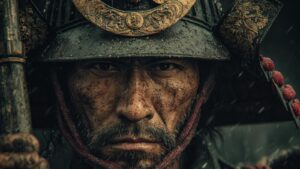
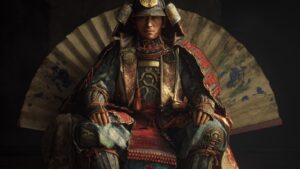
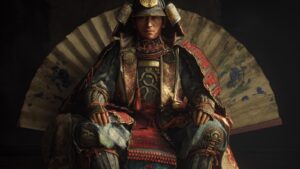
Coming from the lineage of the Shugo, Akisumi was immersed in the traditions of the samurai from a young age.
His father, a minor lord, instilled in him the values of loyalty, honor, and the importance of governance.
Akisumis affinity for strategy and the art of war became evident during his formative years, as he often studied battle tactics and the philosophies of great generals.
As the Sengoku period intensified, Usuki Akisumi took on more significant roles within his clan and rapidly earned a reputation as a capable leader.
He managed to unite several minor factions in Bungo, enhancing his influence and power.
Akisumi adeptly navigated the challenges posed by rival clans and sought alliances that strengthened his position.
His diplomatic skills were as formidable as his combat prowess; he knew how to engage with other lords to broker peace and cultivate relationships that would secure his clans interests.
Throughout his lifetime, Usuki Akisumi participated in numerous that defined the era.
One of his notable engagements was the Battle of the Bungo River, where his strategic acumen allowed his troops to gain an upper hand against a much larger enemy faction.
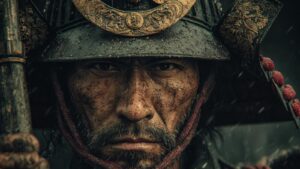
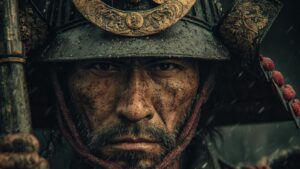
Despite the odds, Akisumis efforts and battlefield tactics led to a decisive victory, cementing his reputation as one of the capable generals of his time.
Usuki Akisumi passed away in 1601, but his continued, influencing future generations of samurai and leaders.
His governance of Bungo aimed at fostering cultural growth in the region, with a special emphasis on the art of calligraphy and other cultural pursuits.
Many remember him for his contributions to both warfare and the fine arts, making him a multifaceted figure within the complex tapestry of Japans history during the Sengoku era.
His quote, Wisdom is the sword of the fool, reflects his belief that true power lies not just in martial might, but in the wisdom and strategy that guides one’s actions.
comment