
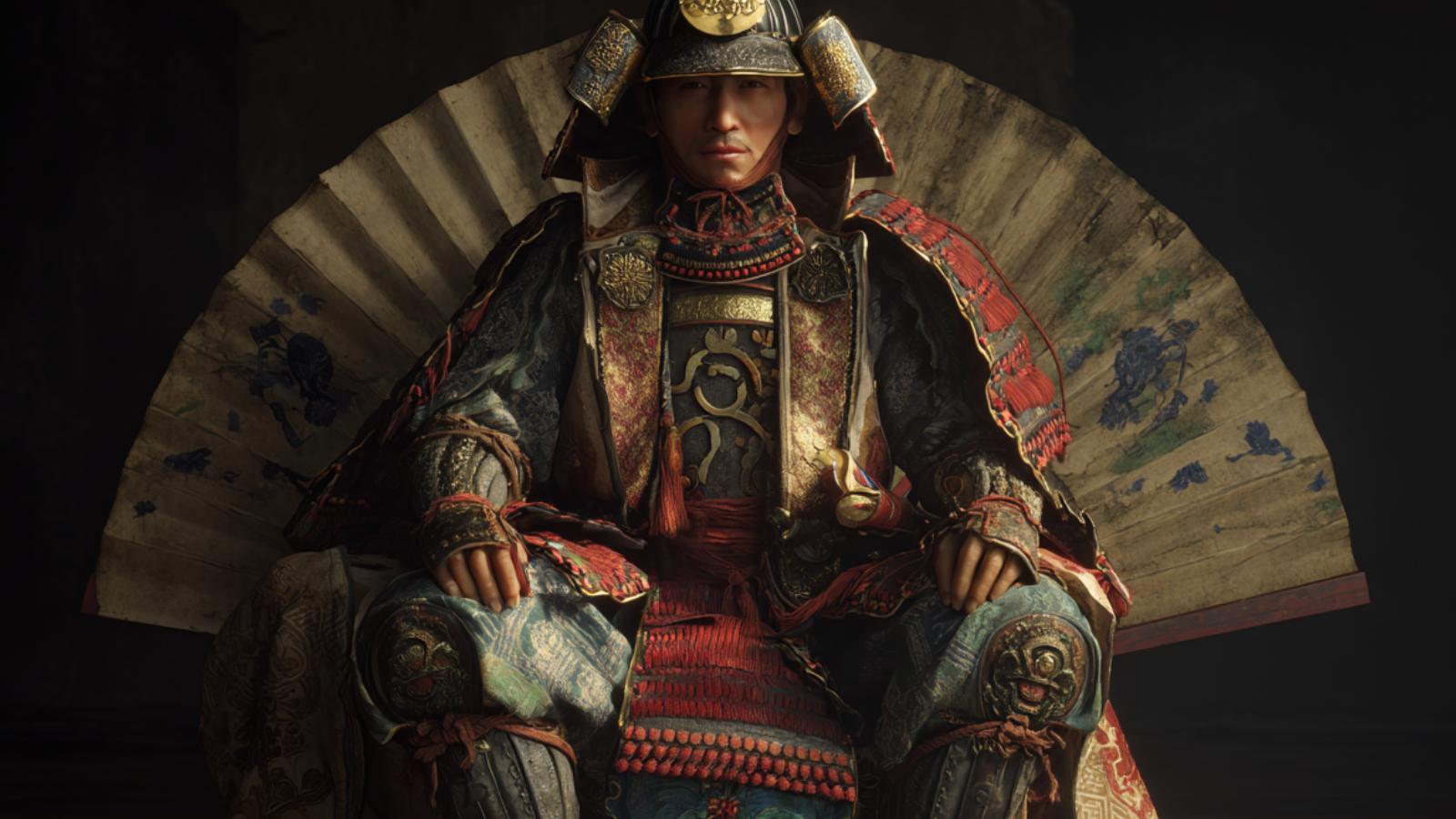
“義に生き、戦に死す。”
— Live by righteousness, die in battle.

| Lead 統率 |
Valor 武勇 |
Intel 知略 |
Pol 政治 |
|---|---|---|---|
| 70 | 65 | 75 | 68 |
| Name (JP) | 内藤 興盛 |
|---|---|
| Title | Daimyo |
| Clan / Force | Tokugawa Clan |
| Era | 1561 – 1632 |
| Origin | Shinano |
| Key Battles | |
| Arts | Calligraphy |
About Naito Okimori
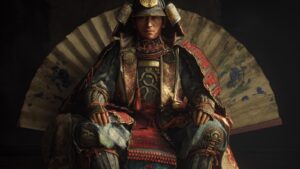
Coming from a samurai lineage, he was raised in the midst of the Sengoku period, a time of constant conflict and power struggles among the daimyo.
His early education in martial arts and military strategy was heavily influenced by the traditions of samurai culture, shaping his character as both a warrior and a leader., As a young warrior, Okimori displayed exceptional skills in battle, quickly earning a reputation as a capable general.
He became a retainer for a prominent daimyo and gained valuable experience on the battlefield.
His strategic mind allowed him to navigate the complexities of alliances and rivalries, aiding his lord in numerous conflicts.
His impressive conduct in led to his eventual elevation to the status of daimyo, where he commanded respect and loyalty from his men., Throughout his life, Okimori participated in several key during the late Sengoku period and into the early Edo period.
His leadership in these conflicts was marked by effective strategies that often turned the tide in his favor.
His ability to adapt to changing battlefield conditions showcased his tactical intelligence, earning him a place among respected generals of his time.
Though not the most famous figure, his contributions were significant to the stability of his domain during turbulent times., Naito Okimori passed away in 1632, leaving behind a of honor and bravery.
His commitment to the samurai code and his role in supporting the unification of Japan under the Tokugawa shogunate ensured that he would be remembered as an important, albeit lesser-known, figure of his era.
Today, he is recognized for his dedication to the values of the samurai and his influence on the history of Shinano province.




comment