
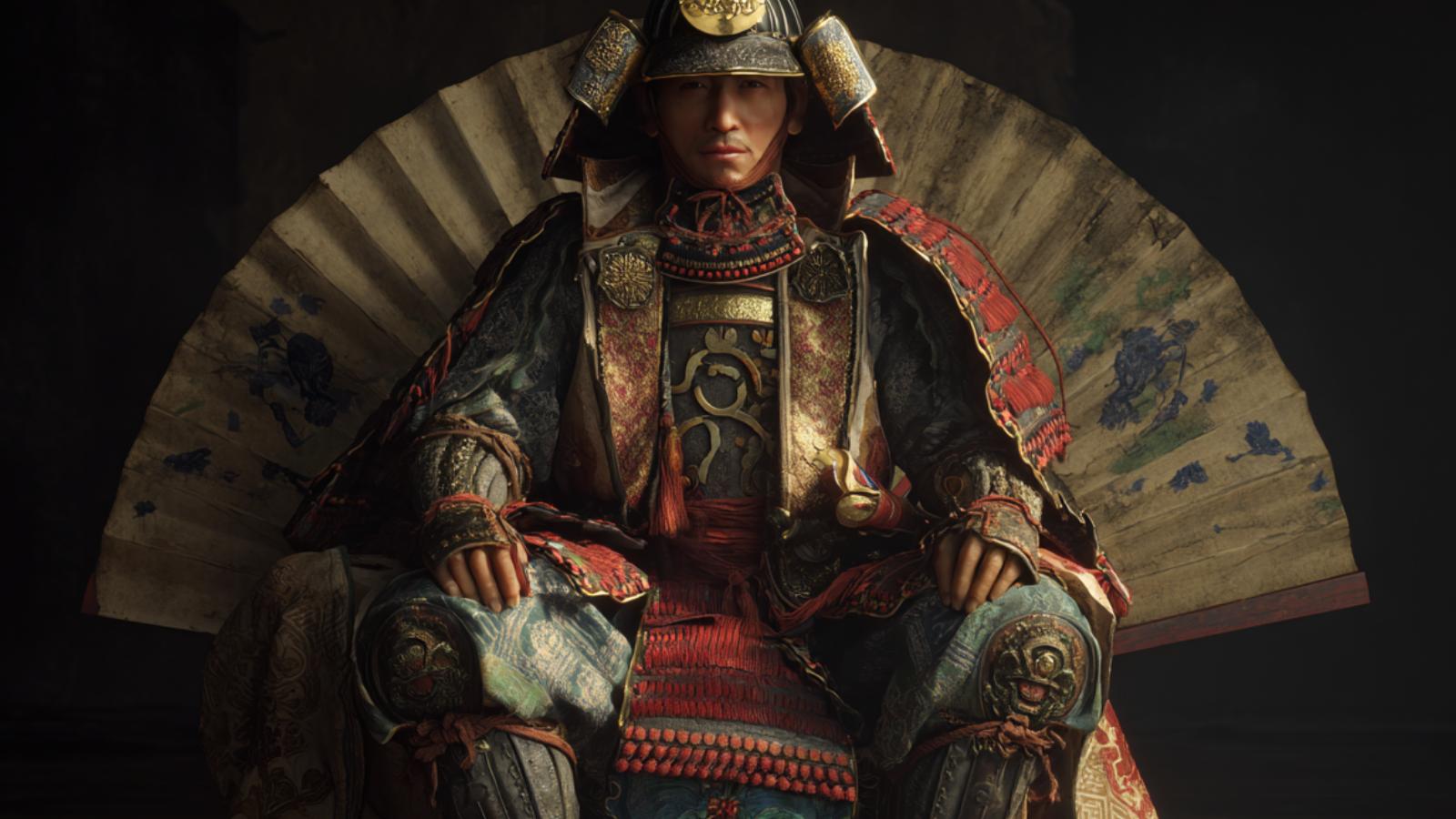
“武士は死ぬことを恐れず、名誉と忠誠を守るべきである。”
— A warrior should fear not death, but uphold honor and loyalty.

| Lead 統率 |
Valor 武勇 |
Intel 知略 |
Pol 政治 |
|---|---|---|---|
| 80 | 70 | 85 | 75 |
| Name (JP) | 大内 義興 |
|---|---|
| Title | Daimyo |
| Clan / Force | Ouchi Clan |
| Era | 1490 – 1563 |
| Origin | Suō |
| Key Battles | |
| Arts | Calligraphy |
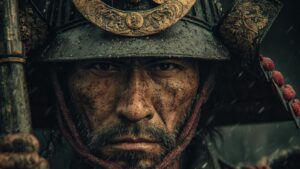
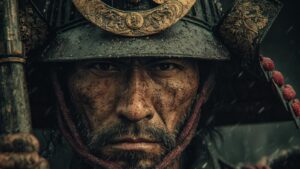
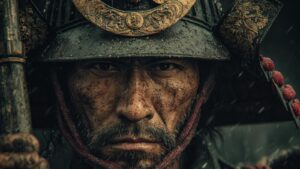
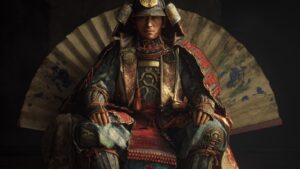
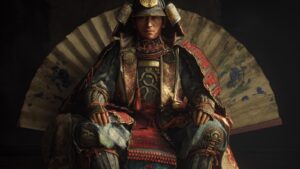
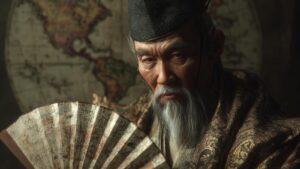
About Ouchi Yoshioki
As a member of the Shugo class, Yoshioki was raised in a noble household, where he learned the arts of governance and warfare from an early age.
Yoshioki rose to prominence after the death of his father, Ouchi Yoshinaga, and effectively took control of the Ouchi clan.
Under his leadership, the clan flourished economically and culturally, becoming a significant power in the western regions of Japan.
Yoshioki was adept at forming strategic alliances and maintained a delicate balance of power amongst rival clans, particularly with the Mōri and Ashikaga factions.
Although not primarily known for his military prowess like some of his contemporaries, Yoshioki led his forces in several skirmishes and maintained the clans integrity against external threats.
His ability to command troops effectively during conflicts earned him respect, even if he preferred diplomacy over open confrontation.
His strategic intellect was evident in his efforts to outmaneuver opponents politically and militarily alike.
Ouchi Yoshiokis is remembered for not just his strategic mind, but also for his contributions to Japanese culture.
He was an avid patron of the arts, particularly calligraphy, and recognized the importance of cultural development alongside military strength.
His era marked a period of significant cultural exchange and influence in the western regions of Japan, which later shaped the foundations for the unification of Japan under the Tokugawa shogunate.
comment