
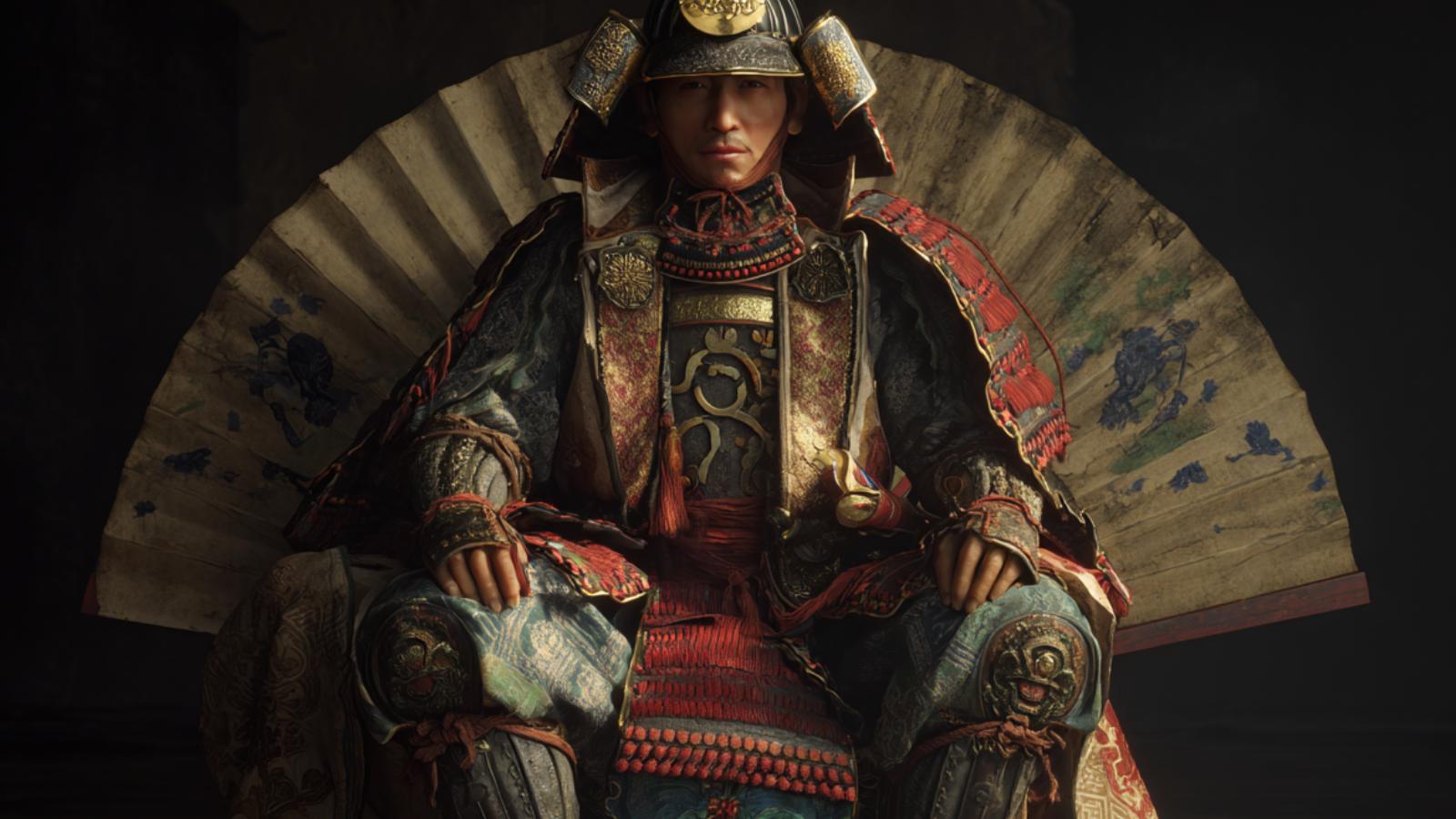
“智謀は戦の道を開く、忠家の名の下に。”
— Strategy paves the way for battle, under the name of Tadaie.

| Lead 統率 |
Valor 武勇 |
Intel 知略 |
Pol 政治 |
|---|---|---|---|
| 75 | 70 | 80 | 75 |
| Name (JP) | 宇喜多 忠家 |
|---|---|
| Title | Daimyo |
| Clan / Force | Mitsukuri Clan |
| Era | 1573 – 1655 |
| Origin | Bizen |
| Key Battles | |
| Arts | Noh Theatre |
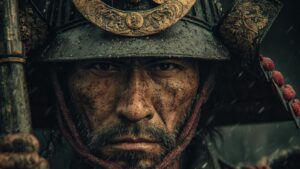
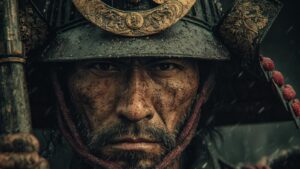
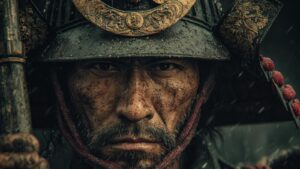
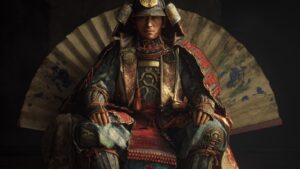
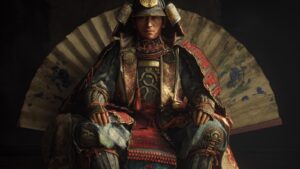
About Ukita Tadaie
The clan had a rich history of governance and military leadership, having been influential in the region for generations.
Tadaie grew up in a turbulent time, filled with conflicts among the various clans during the Sengoku period.
He was trained in the arts of war and governance, setting the stage for his future successes as a military leader., Tadaie rose to prominence as a retainer of Toyotomi Hideyoshi during the many campaigns to unify Japan.
His strategic acumen was recognized early on, leading him to play a vital role in such as the Siege of Takamatsu and the invasions of Korea.
Despite the challenges faced, he showcased a blend of intellect and valor, allowing him to gain respect among his peers and eventually earn the of daimyo., Ukita Tadaies prowess was further demonstrated in various engagements, where he skillfully commanded his troops against formidable foes.
He displayed not only tactical ingenuity but also a remarkable ability to inspire loyalty in his men, navigating through the complexities of the battlefield.
Although there were defeats, including setbacks during the Korean campaigns, Tadaie managed to maintain his standing and influence, focusing on rebuilding and strengthening his forces thereafter., Tadaie’s contributions went beyond the battlefield; he was also known for his involvement in governance and the arts.
His interest in Noh theatre led to cultural developments within his domain, allowing the arts to flourish alongside military operations.
His is one of resilience and dedication to unification efforts, ultimately playing a critical role in shaping the trajectory of Japan during a pivotal epoch.
Ukita Tadaies story serves as a testament to the complexity of samurai leadership, balancing warfare and cultural enrichment in the ever-evolving landscape of Japans history.
comment