
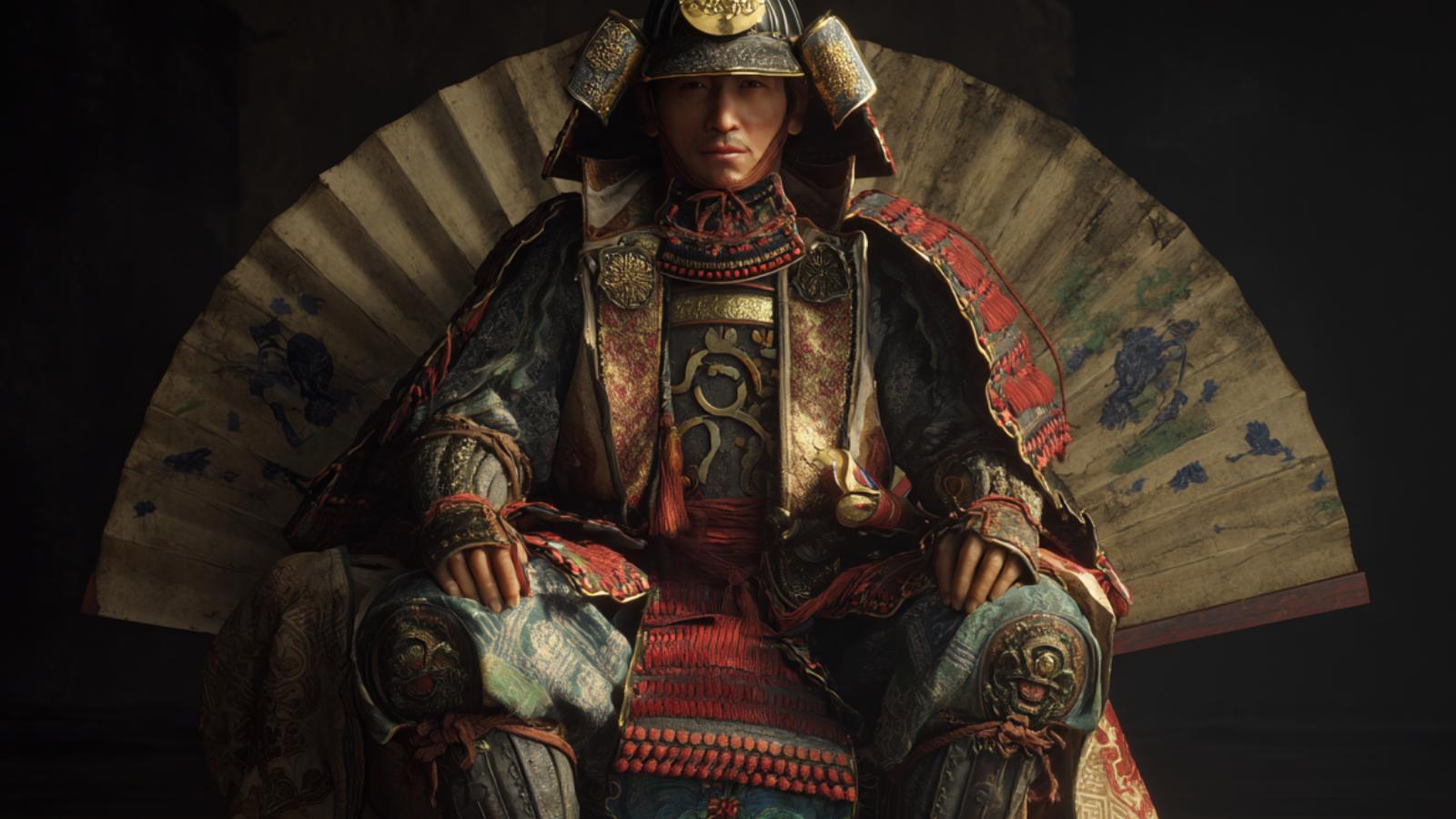
“戦は智と剣の舞、勝利はその調和に宿る。”
— War is a dance of wit and sword; victory resides in their harmony.

| Lead 統率 |
Valor 武勇 |
Intel 知略 |
Pol 政治 |
|---|---|---|---|
| 78 | 82 | 75 | 68 |
| Name (JP) | 乃美 宗勝 |
|---|---|
| Title | Daimyo |
| Clan / Force | Unknown |
| Era | 1563 – 1600 |
| Origin | Isehara |
| Key Battles | |
| Arts | Noh Theater |
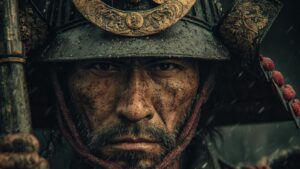
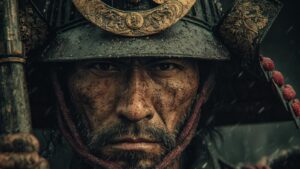
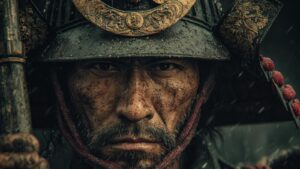
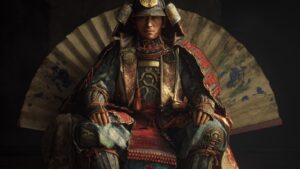
About Nomi Munekatsu
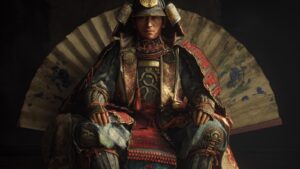
His family had a long-standing tradition of military service and governance, setting a strong foundation for his future as a samurai.
From a young age, he was trained in the arts of combat and strategy, instilling in him a strong sense of honor and duty.
Throughout his adolescence, Munekatsu distinguished himself in local skirmishes and quickly gained recognition for his valor and tactical intelligence.
By the time he reached his twenties, he had aligned himself with several prominent lords, gradually rising through the ranks and earning the of Daimyo.
His leadership during regional conflicts showcased his capability in both commanding troops and making significant strategic decisions.
Nomi played pivotal roles in several key during the late Sengoku period, often leading his forces with courage and inspiring others by his example in personal combat.
His reputation only grew as he demonstrated his skills on the battlefield and forged strong alliances with other influential daimyōs, solidifying his power in the Isehara region.
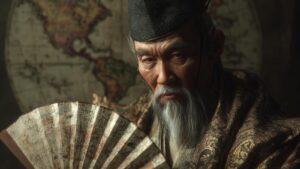
Munekatsus is remembered not just for his prowess in battle but also for his contributions to the culture in his region, particularly the appreciation of Noh theater.
He passed away in 1600, but his influence carried on, earning him a place in the annals of samurai history as a capable leader and fervent warrior.
comment