
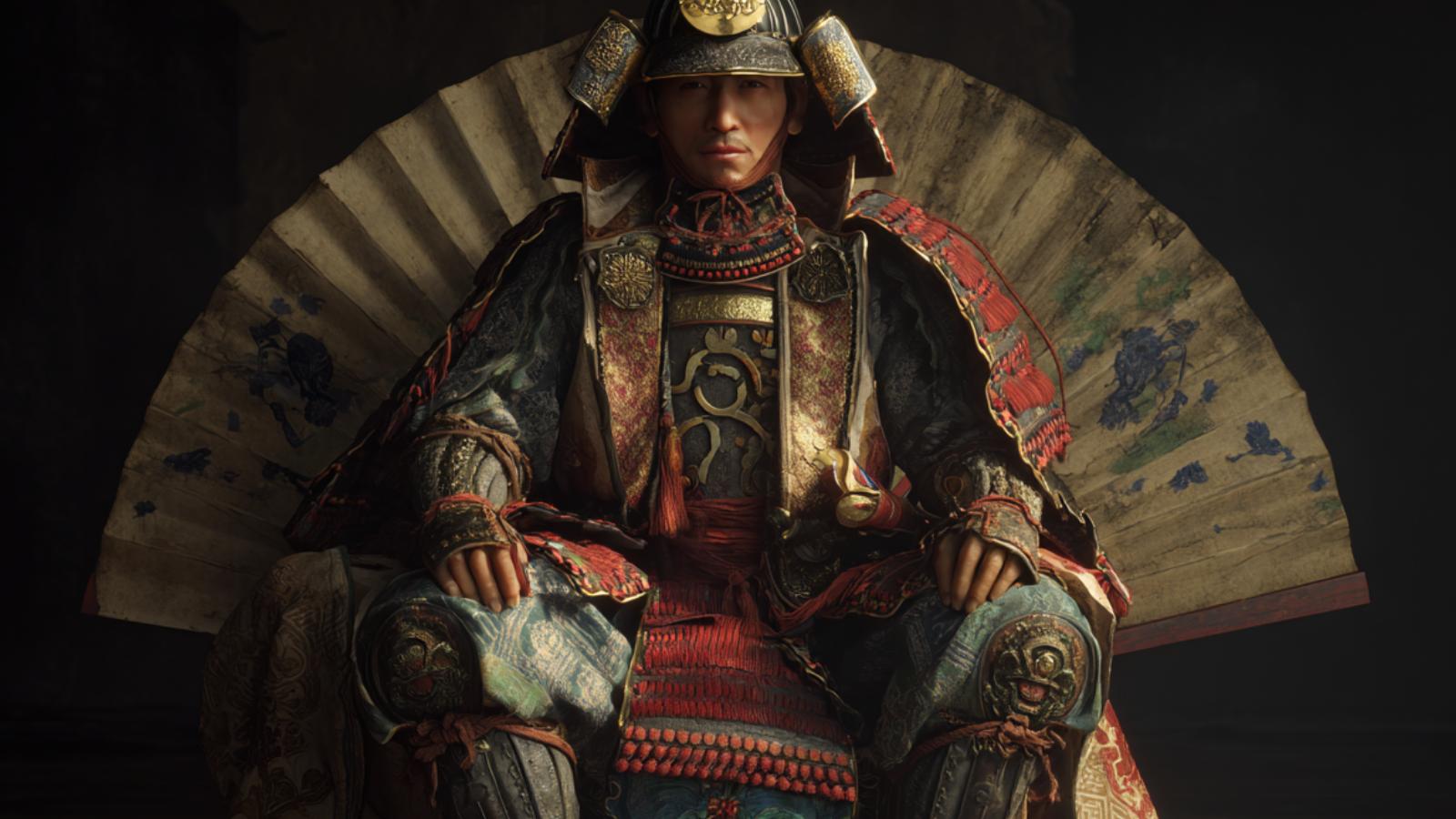
“武将は智恵と勇気を兼ね備えた者がなるものだ。”
— A general must possess both wisdom and courage.

| Lead 統率 |
Valor 武勇 |
Intel 知略 |
Pol 政治 |
|---|---|---|---|
| 80 | 75 | 85 | 70 |
| Name (JP) | 毛利 隆元 |
|---|---|
| Title | Daimyo |
| Clan / Force | Mori Clan |
| Era | 1543 – 1571 |
| Origin | Chūgoku |
| Key Battles | |
| Arts | Calligraphy |
About Mori Takamoto
He was the son of Mori Motonari, a legendary figure known for his cunning strategies and successful leadership.
From a young age, Takamoto was groomed for leadership, learning the ways of governance, warfare, and the arts, notably calligraphy.
His early years were marked by the strong influence of his fathers teachings, which would later mold his own approaches to leadership.
After he succeeded his father in 1563, Takamoto sought to enhance the Mori clans power and influence.
He faced numerous challenges, including rival clans and internal dissent, but through shrewd diplomacy and military engagement, he successfully expanded the clans territories.
Mori Takamoto was instrumental in cementing alliances and making strategic decisions, often prioritizing the stability of his domain over outright conquest.
His ability to inspire loyalty among his vassals played a significant role in his as a prominent daimyō in the Chūgoku region.
Throughout his career, Takamoto was involved in several key during the tumultuous Sengoku period.
His leadership was critical in the Campaign of 1568 against the Amago clan, where he showcased his tactical intelligence.
While he was a capable warrior himself, he primarily focused on orchestrating his forces effectively, positioning them advantageously, and utilizing intelligence to outmaneuver his enemies.
His efforts during the Siege of Takamatsu were particularly notable, highlighting his commitment to both diplomacy and warfare in ensuring the success of his clan.
Mori Takamotos is treated with respect among historians due to his strategic mind and contributions to the Mori clans prominence.
He was reputed for his wisdom and approach to leadership, demonstrating that strength does not solely a from force but can equally emanate from intelligence and relationships.
Following his death in 1571, the Mori clan continued to thrive, bearing witness to the foundation he laid.
His life reflects the complexities of the Sengoku period, where alliances and warfare often dictated the fate of clans and regions.









comment