
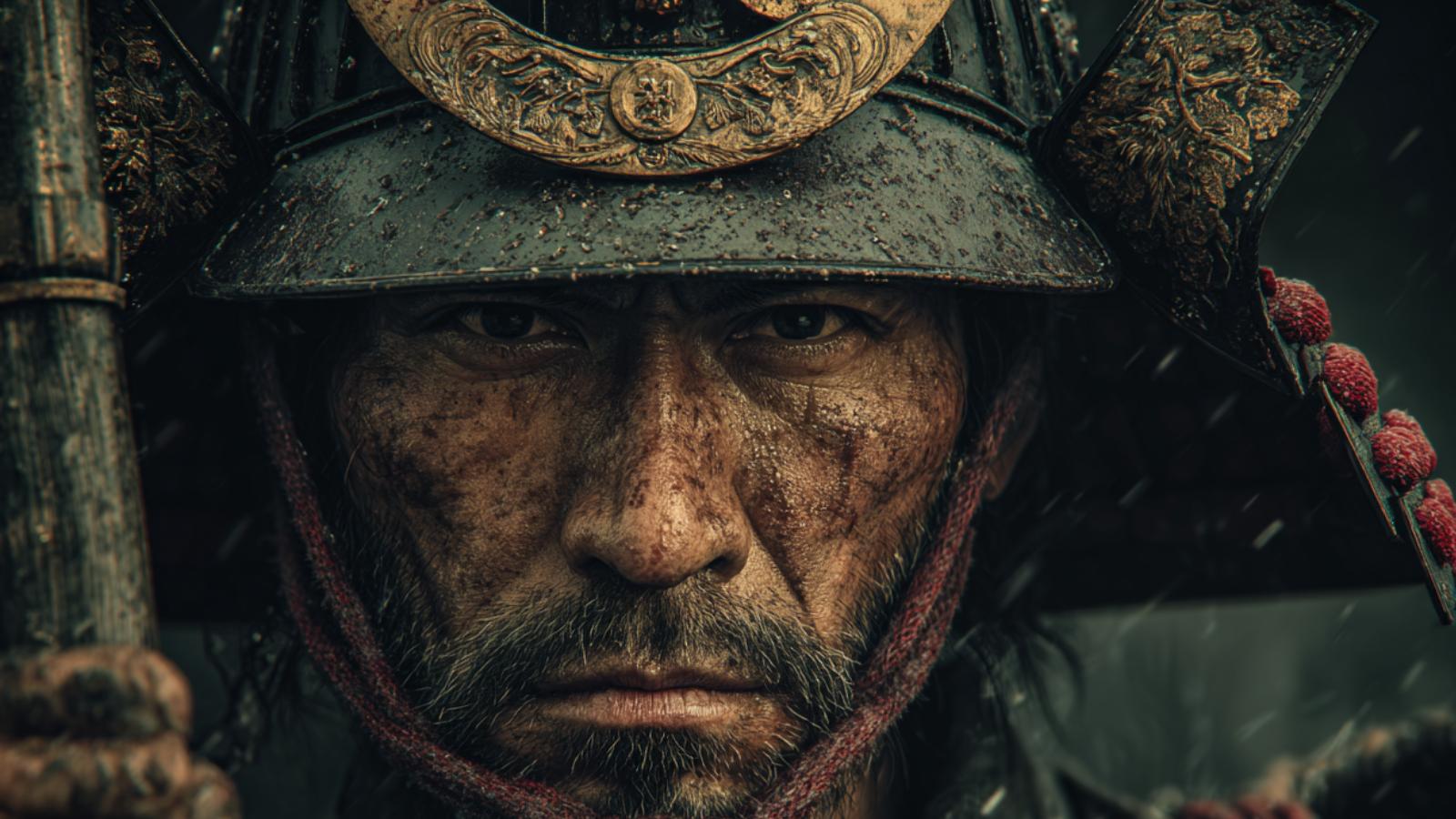
“戦いの先に栄光がある。”
— Beyond the battles lies glory.

| Lead 統率 |
Valor 武勇 |
Intel 知略 |
Pol 政治 |
|---|---|---|---|
| 75 | 70 | 80 | 65 |
| Name (JP) | 篠原 長房 |
|---|---|
| Title | General |
| Clan / Force | Hojo Clan |
| Era | 1562 – 1625 |
| Origin | Mutsu |
| Key Battles | |
| Arts | Calligraphy |
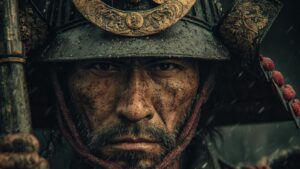
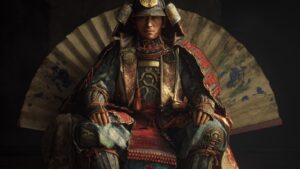
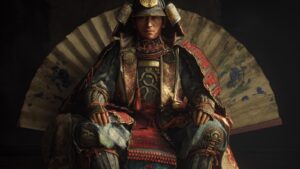
About Shinohara Nagafusa
From a young age, he was trained in the arts of war and governance, honing skills that would serve him well as he grew into adulthood.
His education focused not only on military tactics but also on cultural arts like calligraphy, which was highly regarded among the samurai class.
Nagafusas to prominence began during the tumultuous years of the late Sengoku period.
He served under several notable warlords and gained a reputation for his cunning strategies in battle.
His keen mind and ability to adapt to changing circumstances allowed him to secure victories even against larger forces.
By aligning himself with influential leaders, he established himself as a reliable general and was eventually awarded the of General as recognition of his service.
Throughout his career, Nagafusa participated in several key that shaped the future of Japan.
His most commendable feats include strategic victories in skirmishes that demonstrated not only his valor but his capacity to command troops effectively.
While not as renowned as some of his contemporaries, his contributions were vital to the success of the factions he served, marking him as a capable commander in the ever-shifting alliances of the time.
Shinohara Nagafusas is marked by his dedication to both the sword and the pen.
His blend of martial prowess and cultural appreciation left a lasting impact on his descendants and the samurai code.
Although he may not have achieved the same level of fame as legendary generals, his contributions to the unification of Japan and the development of samurai culture during a pivotal era in history are significant.
comment