
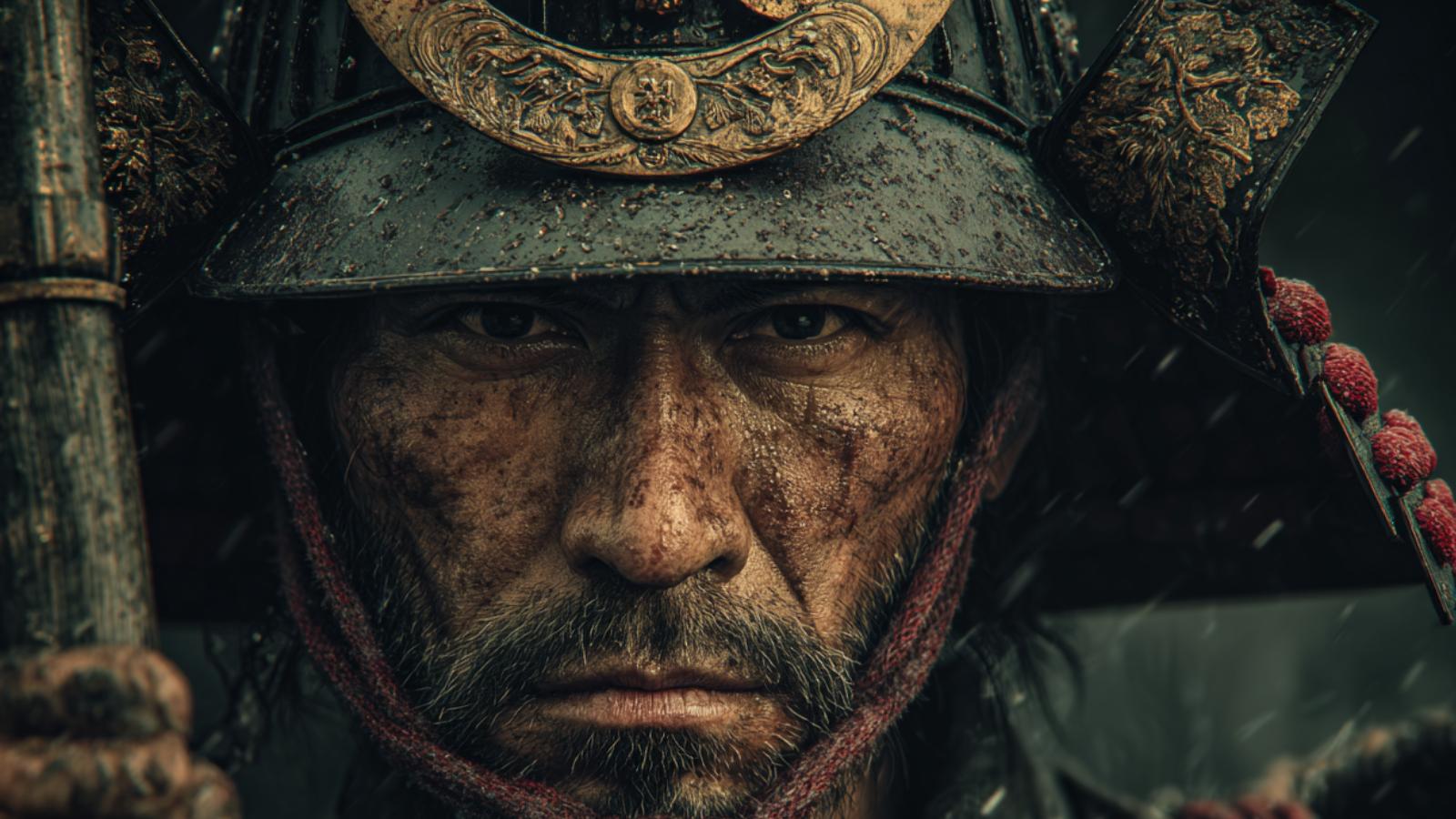
“武士は死ぬ運命にあるが、名と誇りは生き続ける。”
— A warrior is destined to die, but his name and honor shall live on.

| Lead 統率 |
Valor 武勇 |
Intel 知略 |
Pol 政治 |
|---|---|---|---|
| 65 | 70 | 68 | 62 |
| Name (JP) | 香川 親和 |
|---|---|
| Title | Retainer |
| Clan / Force | Unknown |
| Era | 1550 – 1600 |
| Origin | Shikoku |
| Key Battles | |
| Arts | Noh Theatre |
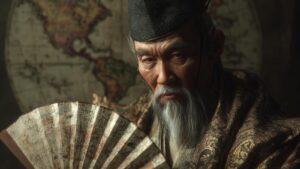
About Kagawa Chikakazu
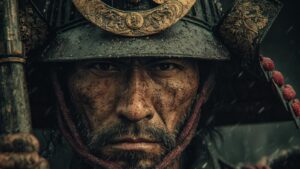
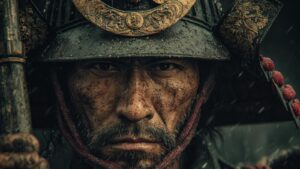
From a young age, he was immersed in the culture and traditions of the samurai, and the ideals of loyalty and bravery were instilled in him.
His early education focused on both martial arts and the arts, particularly Noh Theatre, which played a significant role in cultural expression during this period.
Though not born into the highest ranks of the samurai, he sought to make a name for himself.
As a young samurai, Kagawa served under a local warlord, where he gained valuable experience through various skirmishes and .
His skills in combat and strategy began to attract attention, and he became known for his valor on the battlefield.
By the late 1570s, he had n through the ranks and secured a position as a retainer for a prominent daimyō, where his loyalty and tactical mind were put to the test during the numerous conflicts that defined the period.
Kagawa fought valiantly in several key throughout the late 16th century.
His most notable engagements include skirmishes against rival clans, where he showcased his combat skills.
His leadership, though not as prominent as some of his contemporaries, was characterized by strategic thinking that often emphasized the importance of dishonor and courage.
With his retainer duties, he also played a role in administrative tasks, overseeing the governance of his lords territories, albeit on a smaller scale compared to the great daimyōs.
Kagawa Chikakazu passed away in 1600, leaving behind a reputation as a capable and honorable samurai.
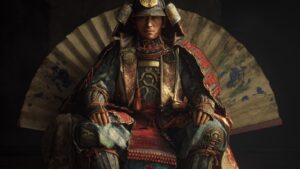
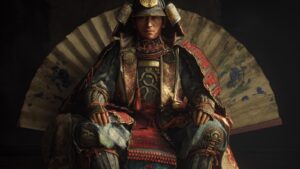
While he may not have achieved the legendary status of figures like Oda Nobunaga or Tokugawa Ieyasu, his contribution to the samurai class and his loyalty in service marked him as a respected figure of his time.
His famous quote, A warrior is destined to die, but his name and honor shall live on, encapsulates the samurai ethos, emphasizing the lasting impact of honor and bravery over mere survival.

comment