
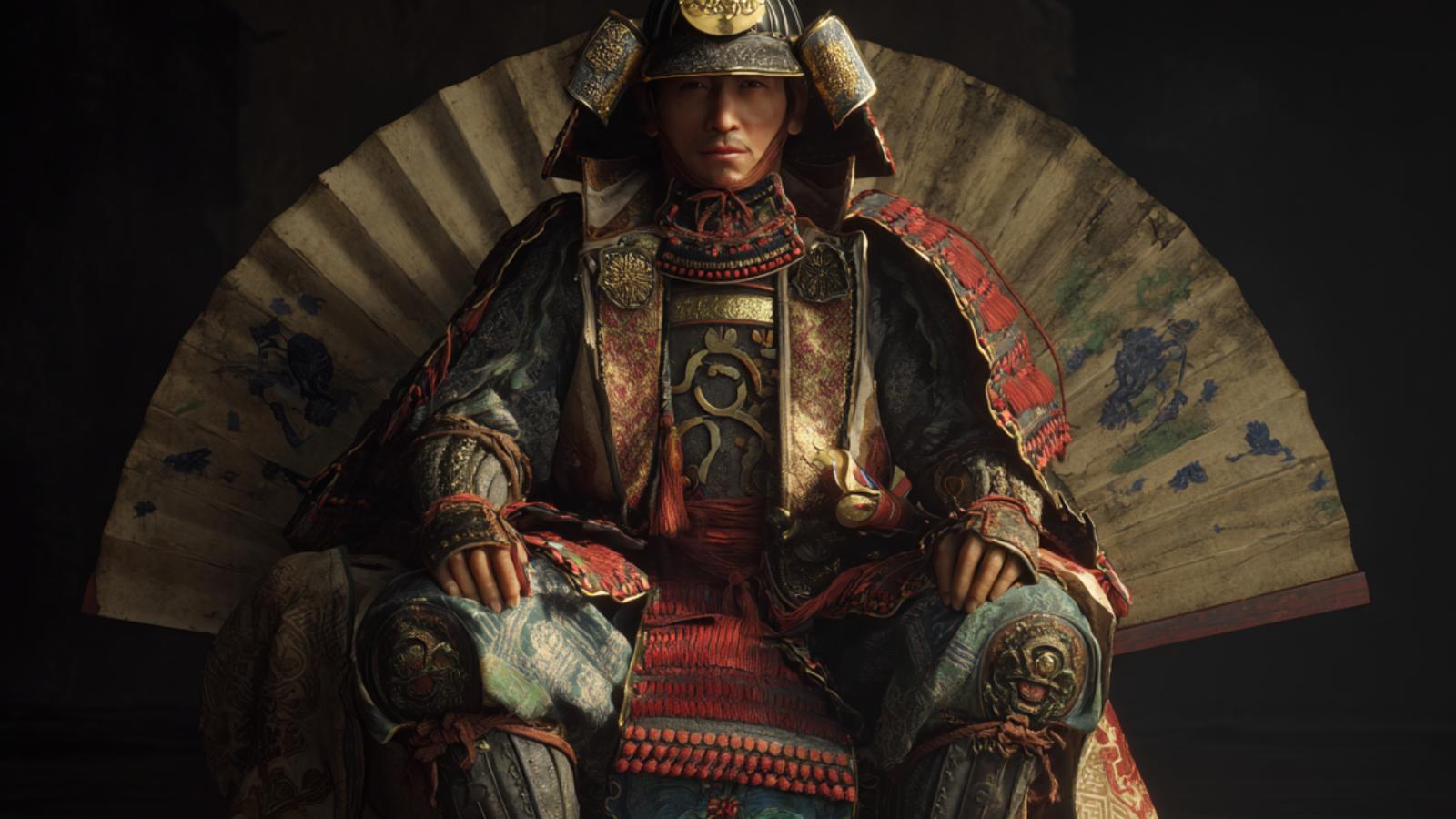
“戦は心の技だ。”
— War is a technique of the heart.

| Lead 統率 |
Valor 武勇 |
Intel 知略 |
Pol 政治 |
|---|---|---|---|
| 75 | 65 | 70 | 60 |
| Name (JP) | 磯野 員昌 |
|---|---|
| Title | Daimyo |
| Clan / Force | Unknown |
| Era | 1545 – 1614 |
| Origin | Shizuoka |
| Key Battles | |
| Arts | Calligraphy |
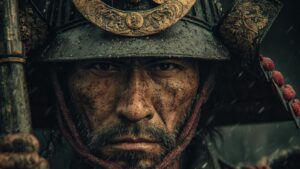
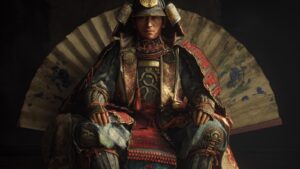
About Isono Kazumasa
His family belonged to the Shugo class, which positioned them as minor lords with responsibilities over regions during the feudal era.
From a young age, Kazumasa was trained in the arts of war and governance, showcasing a promising future as a leader in the samurai class.
Kazumasas to prominence began in the late 16th century as factional conflicts erupted across Japan.
He developed a reputation for his tactical ability during skirmishes with rival clans.
His leadership was instrumental in consolidating power within his territory, leveraging both battle strategy and diplomacy to forge alliances.
His loyalty to his liege lord further enhanced his standing among the samurai, earning him the of Daimyo, which solidified his authority in the region.
Throughout his career, Isono Kazumasa participated in several key that defined the Sengoku period.
While he was not as renowned for his valor in the field compared to some of his contemporaries, his strategic mind often turned the tides in favor of his forces.
His approach to warfare emphasized the psychological aspects of battle, believing that understanding the enemys intentions is as crucial as physical combat skills.
This perspective earned him respect among his peers, even if his direct combat contributions were moderate.
Kazumasas is characterized by his commitment to his samurai code and his attempts to bring stability in a period marked by chaos.
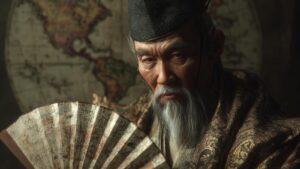
He was not only a soldier but also a scholar, pursuing the arts, particularly calligraphy, which enriched his cultural standing.
His descendants maintained their influence in Shizuoka long after his death in 1614, serving as a testament to his impact on the regions history.
comment