
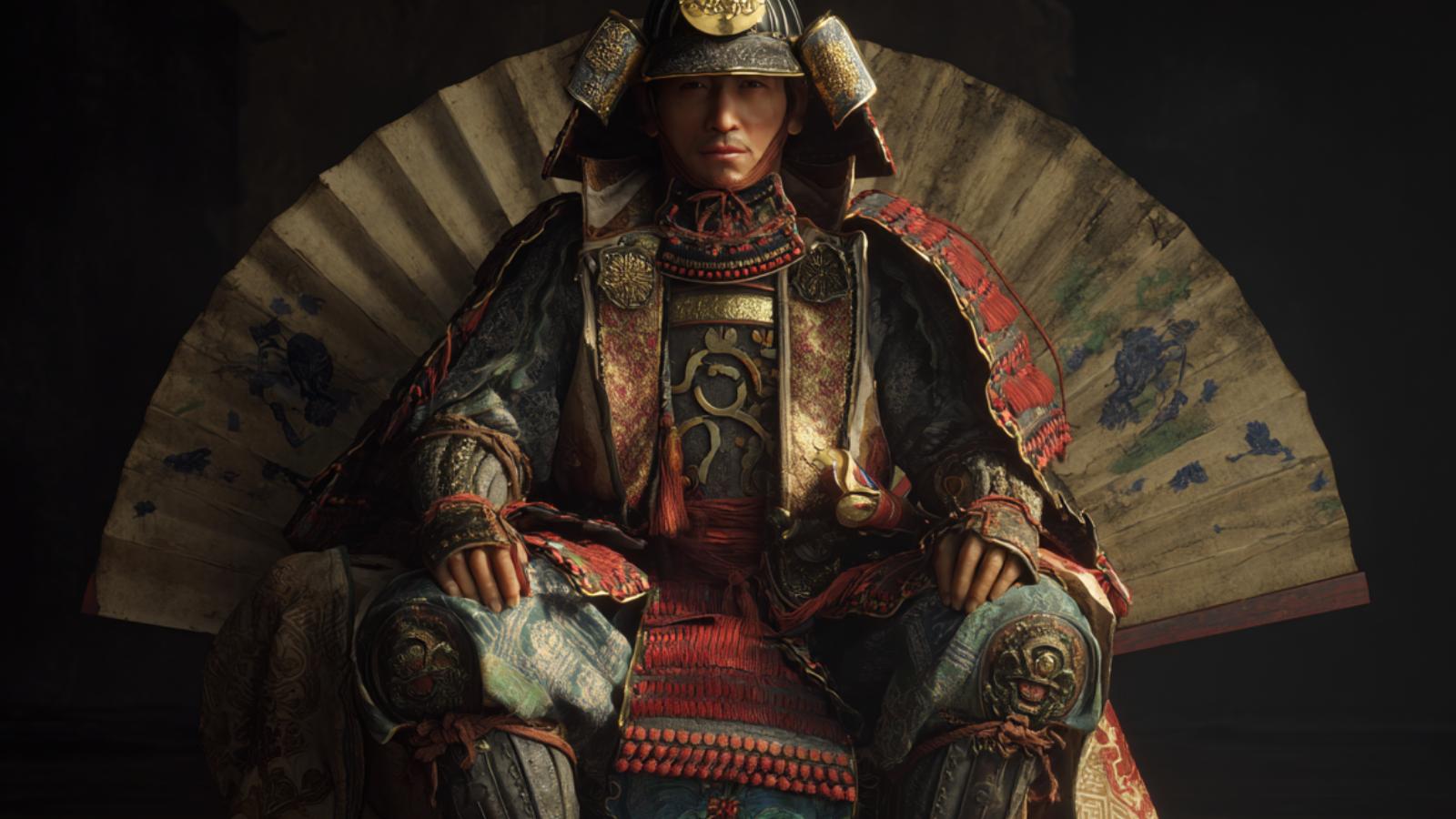
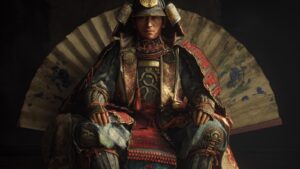
“武士の心は、常に簡素であるべきだ。”
— The heart of a samurai should always be simple.

| Lead 統率 |
Valor 武勇 |
Intel 知略 |
Pol 政治 |
|---|---|---|---|
| 75 | 70 | 65 | 60 |
| Name (JP) | 遠藤 直経 |
|---|---|
| Title | Daimyo |
| Clan / Force | Unknown |
| Era | 1561 – 1616 |
| Origin | Mutsu |
| Key Battles | |
| Arts | Calligraphy |
About Endo Naotsune
His formative years were steeped in the traditions and disciplines of bushido.
As a young man, Naotsune was trained in the arts of warfare, swordsmanship, and strategy, preparing him for a life of military service and leadership.
Naotsunes ascent began when he served under influential lords during the Sengoku period, a time marked by constant warfare among rival factions.
Through his loyalty and valiant efforts, he quickly gained recognition.
His ability to forge strong alliances and maintain a capable military force allowed him to establish himself as a crucial figure among the regional daimyos.
By leveraging his understanding of local politics and military strategies, Naotsune carved out a significant territory within Mutsu, which became the base of his power.
Throughout his career, Naotsune participated in several key that shaped the political landscape of feudal Japan.
His leadership was particularly evidenced during the conflict against invading forces and rival clans.
Although he was not a primary commander in larger, more famous, his tactical decisions in skirmishes had considerable impact and showcased his capability to adapt to the changing circumstances of warfare.
His valor on the battlefield earned him respect and loyalty from his troops, further consolidating his influence as a leader in the region.
Endo Naotsune passed away in 1616, leaving behind a that would influence future generations of samurai.
While not a legendary figure like some of his contemporaries, he is remembered as a capable daimyo who exemplified the qualities of honor and service.
His commitment to his men and community demonstrated the samurai spirit, contributing to the historical tapestry of the Sengoku period.
Even today, Naotsunes life serves as a reminder of the importance of integrity and honor in leadership.




comment