
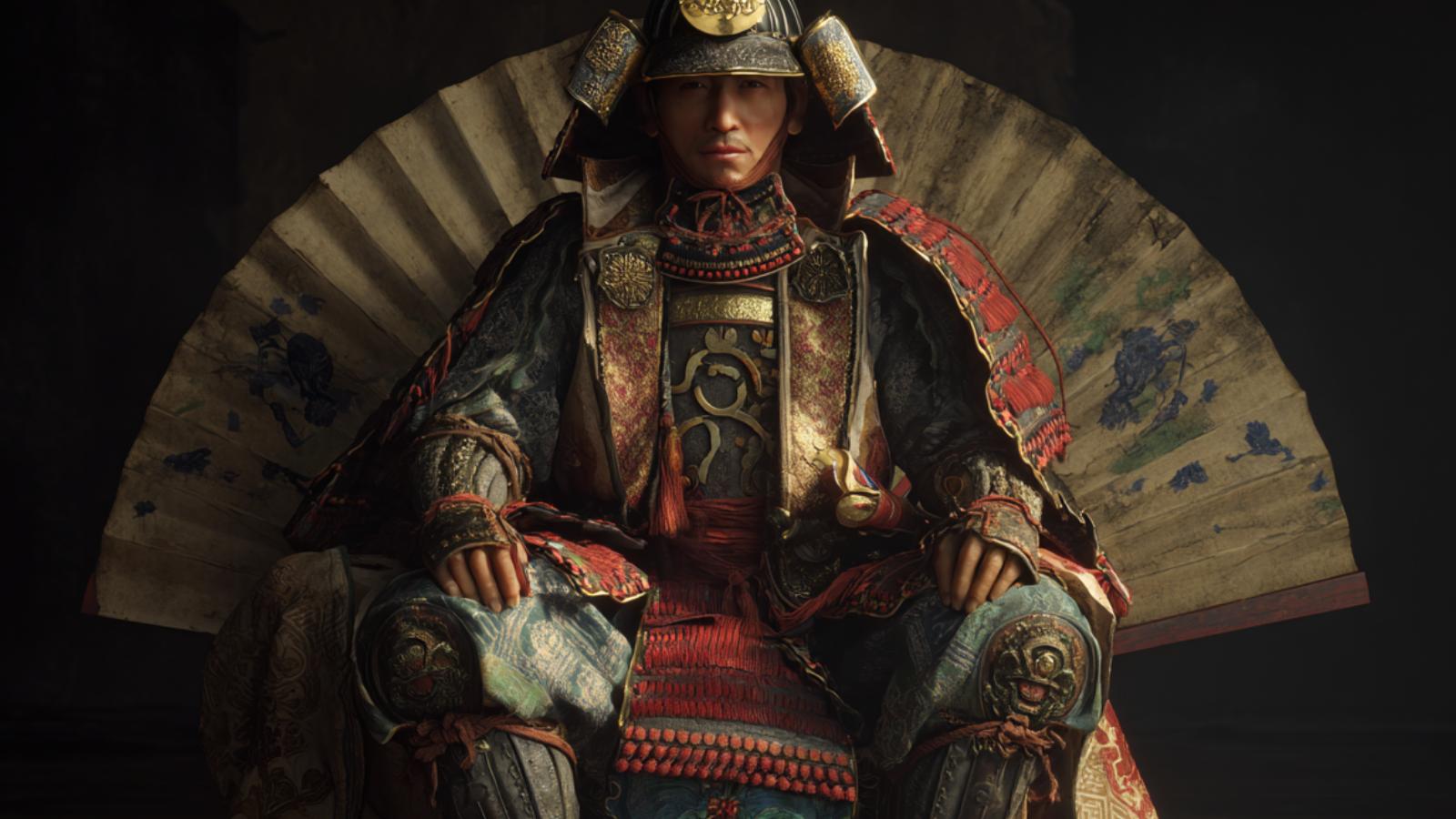
“武士の心は刃のごとく。”
— The heart of a samurai is like that of a blade.

| Lead 統率 |
Valor 武勇 |
Intel 知略 |
Pol 政治 |
|---|---|---|---|
| 75 | 70 | 68 | 65 |
| Name (JP) | 小出 秀政 |
|---|---|
| Title | Daimyo |
| Clan / Force | Tokugawa Shogunate |
| Era | 1534 – 1606 |
| Origin | Omi |
| Key Battles | |
| Arts | Noh Theatre |
About Koide Hidemasa
From a young age, he was taught the ways of the samurai, emphasizing loyalty, honor, and martial skills.
His formative years were marked by the turbulent atmosphere of the Sengoku period, shaping his resolve to become a formidable warrior.
Hidemasa gained prominence by initially serving the powerful daimyo, Asai Nagamasa.
His keen sense of strategy and leadership caught the eye of Nagamasa, and he quickly rose through the ranks.
After the fall of the Asai clan during the struggle against Oda Nobunaga, Hidemasa aligned himself with the forces that sought to stabilize the region.
He eventually secured the of daimyo as he became a trusted ally to various influential leaders, leveraging his understanding of warfare and governance.
Throughout his career, Hidemasa participated in various significant, including the of Anegawa and Nagashino, showcasing both his tactical prowess and courage.
Known for his effective command, he earned the respect of his peers, even as he dealt with the fierce rivalries characteristic of the era.
His combat style was noted for its aggression, complemented by strategic retreats which kept his forces intact.
His ability to forge alliances made him an important figure on the battlefield, often able to rally troops from various clans under his leadership.
Koide Hidemasas is primarily one of loyalty and strategic acumen during the shifting allegiances of the Sengoku period.
Although less celebrated than some of his contemporaries, he is remembered for his contributions to the consolidation of power among the daimyos of his time.
The values he instilled within his clan have echoed through later generations, marking him as a respected historical figure in samurai culture.




comment