
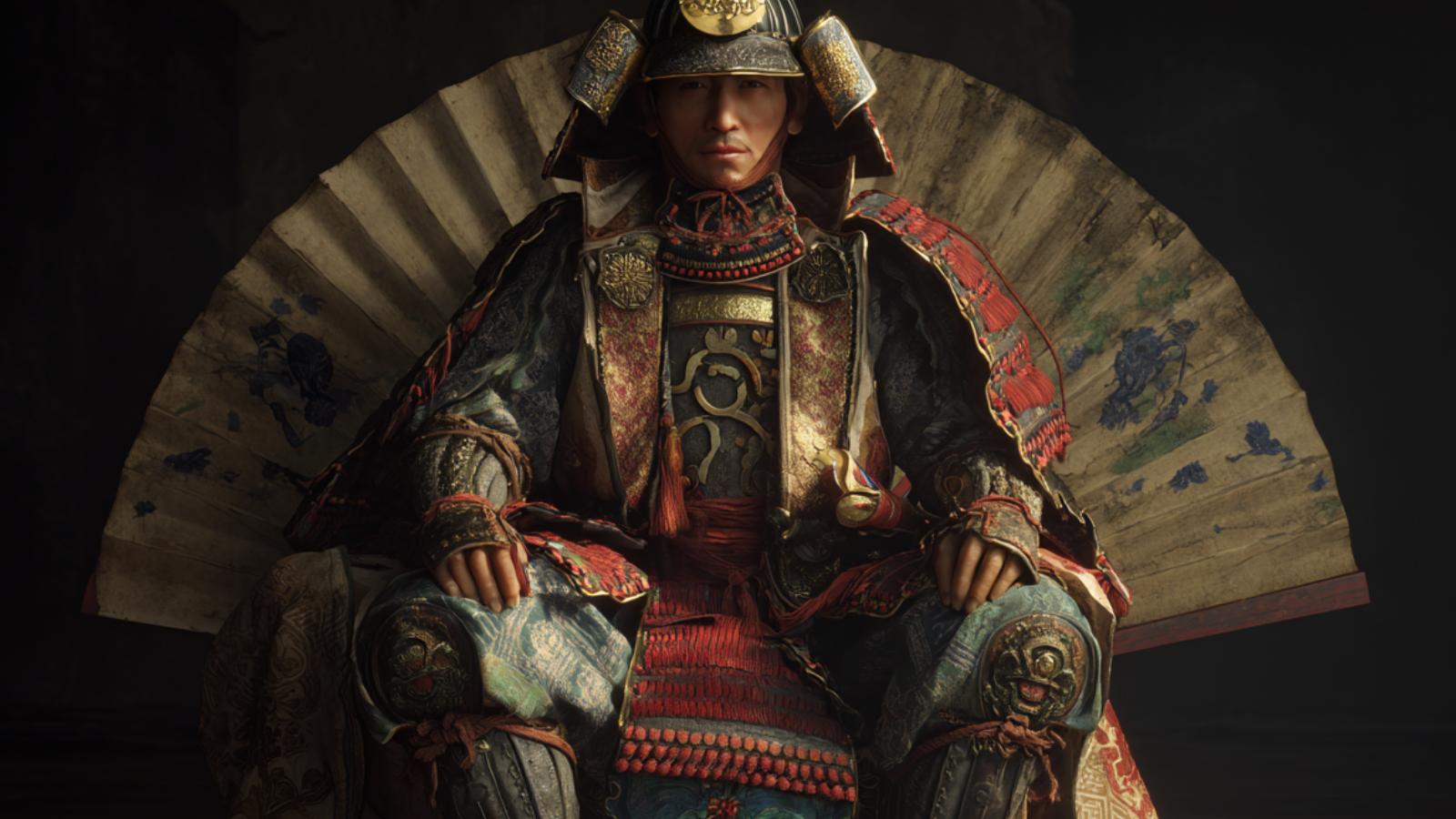
“栄光を目指して、真の武士となれ。”
— Aim for glory, and become a true warrior.

| Lead 統率 |
Valor 武勇 |
Intel 知略 |
Pol 政治 |
|---|---|---|---|
| 74 | 70 | 78 | 65 |
| Name (JP) | 田中 吉政 |
|---|---|
| Title | Daimyo |
| Clan / Force | Tokugawa Clan |
| Era | 1550 – 1610 |
| Origin | Kōzuke |
| Key Battles | |
| Arts | Noh Theatre |
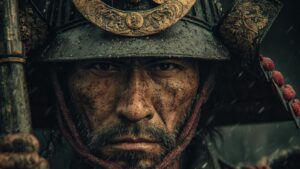
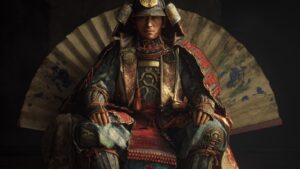
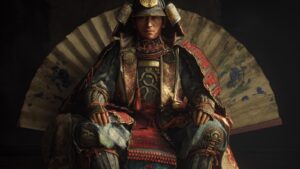
About Tanaka Yoshimasa
His family had long served local lords, and Yoshimasa grew up surrounded by the ideals of honor, loyalty, and martial skill.
As a young man, he trained rigorously in various martial arts, eventually gaining recognition for his prowess with the sword and in mounted combat.
Much of Yoshimasas to prominence came during the chaotic years of the Sengoku period, where he quickly earned a reputation as a capable leader and strategist.
He became a retainer to prominent lords and participated in several critical .
His understanding of strategy and leadership made him an invaluable asset, and he soon ascended to the of Daimyo, overseeing a significant territory within Kōzuke.
Throughout his military career, Yoshimasa was involved in several crucial conflicts during the quest for Japans unification.
His most notable engagements were against rival clans, where his plans frequently turned the tide of battle in favor of his forces.
He was particularly admired for his ability to inspire his troops, leading by example in combat.
While not the most famous warrior of his age, his contributions were significant, earning him respect from both his allies and enemies alike.
Tanaka Yoshimasa passed away in 1610, leaving a as a capable general and a man of honor.
Although not as widely recognized as some of his contemporaries, his strategies and commitment to his clan played a subtle yet profound role in shaping the history of Japan during a transformative era.
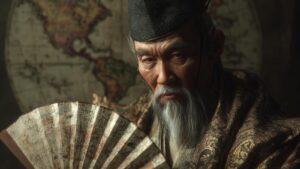
His dedication to the arts, particularly Noh theatre, reflects the rich cultural tapestry of the samurai class and continues to be appreciated in historical recollections of the Sengoku period.
comment