
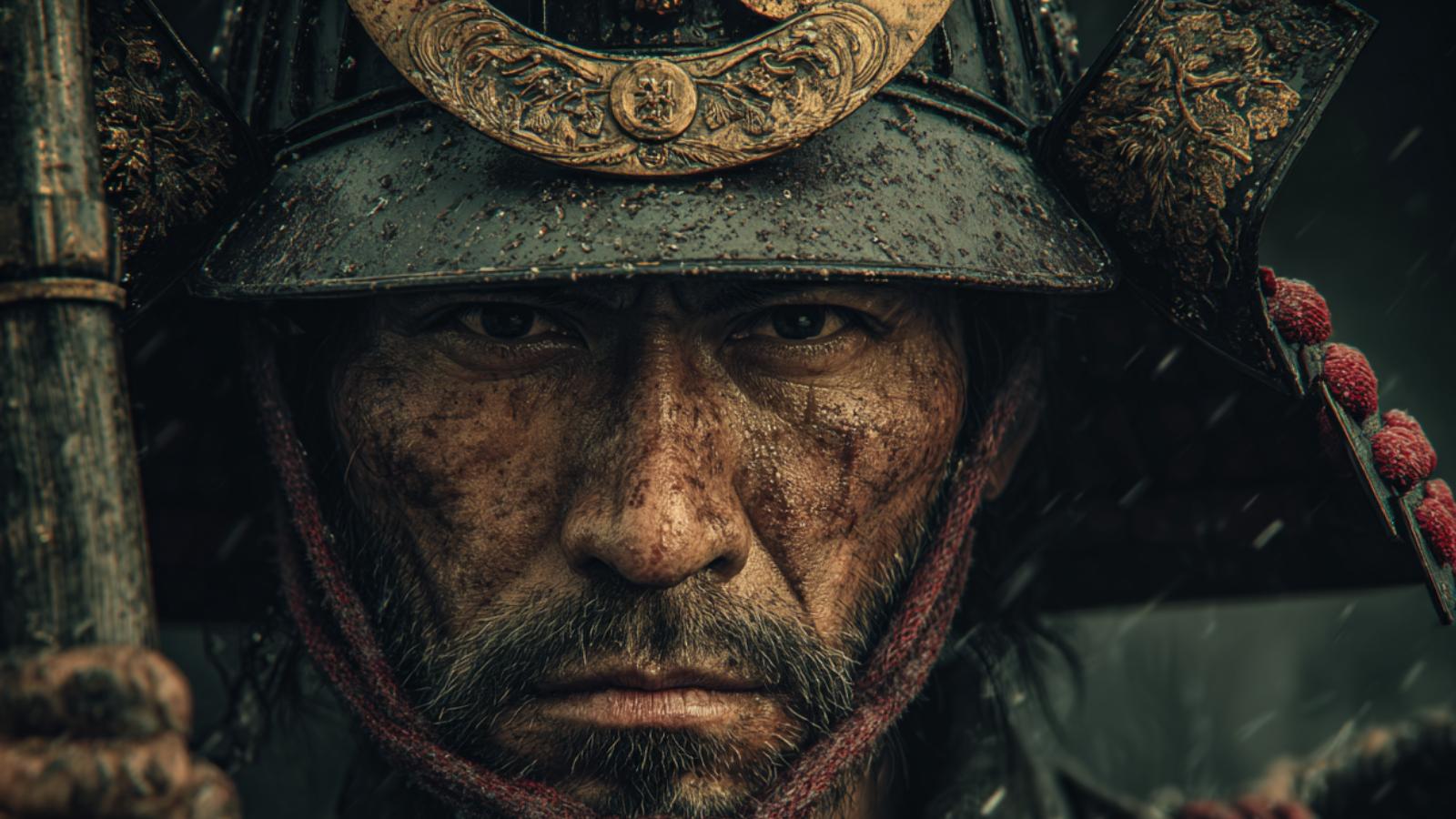
“我が刀にて敵を斬り、我が名を歴史に刻む。”
— With my sword, I shall cut down my enemies and carve my name into history.

| Lead 統率 |
Valor 武勇 |
Intel 知略 |
Pol 政治 |
|---|---|---|---|
| 78 | 75 | 80 | 70 |
| Name (JP) | 生駒 親正 |
|---|---|
| Title | Bugyō |
| Clan / Force | Miyoshi Clan |
| Era | 1525 – 1584 |
| Origin | Yamato |
| Key Battles | |
| Arts | Noh Theater |
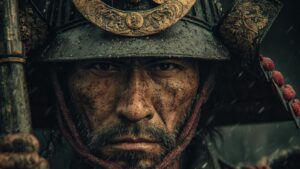
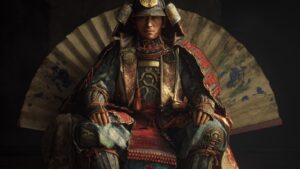
About Ikoma Chikamasa
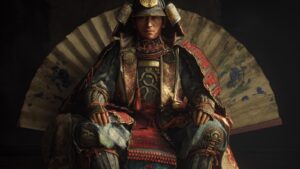
Little is known about his, but it is clear that he was trained in the arts of war from a young age.
His lineage as a samurai positioned him well within the turbulent feudal landscape of Japan, ripe with conflict and power struggles.
Chikamasa first rose to prominence under the warlord Takeda Shingen and later served Oda Nobunaga, contributing to Nobunagas military campaigns and governance.
His loyalty and martial prowess secured him a vital role as a Bugyō, a military commissioner responsible for managing troops and planning assaults.
His strategic insights were especially noted during the Siege of Inabayama Castle, where he played a crucial role in the tactics employed by Oda’s forces.
Throughout his career, Ikoma Chikamasa participated in numerous, showcasing his ability to inspire loyalty and courage among his troops.
While not as famed as some of his contemporaries, his contributions in pivotal conflicts during the Sengoku period reinforced the prominence of his lord and solidified his own position as a capable general.
Chikamasas actions often demonstrated a blend of honor and tactical pragmatism, making him a respected figure in his right.
Ikoma Chikamasa passed away in 1584, leaving behind a that, while perhaps not as grand as the great unifiers of Japan, was marked by significant contributions to military strategy and governance during a critical period in Japans history.
His life serves as a reminder of the many capable figures in Japans feudal era who played critical, though sometimes overshadowed, roles in shaping the nations future.
comment