
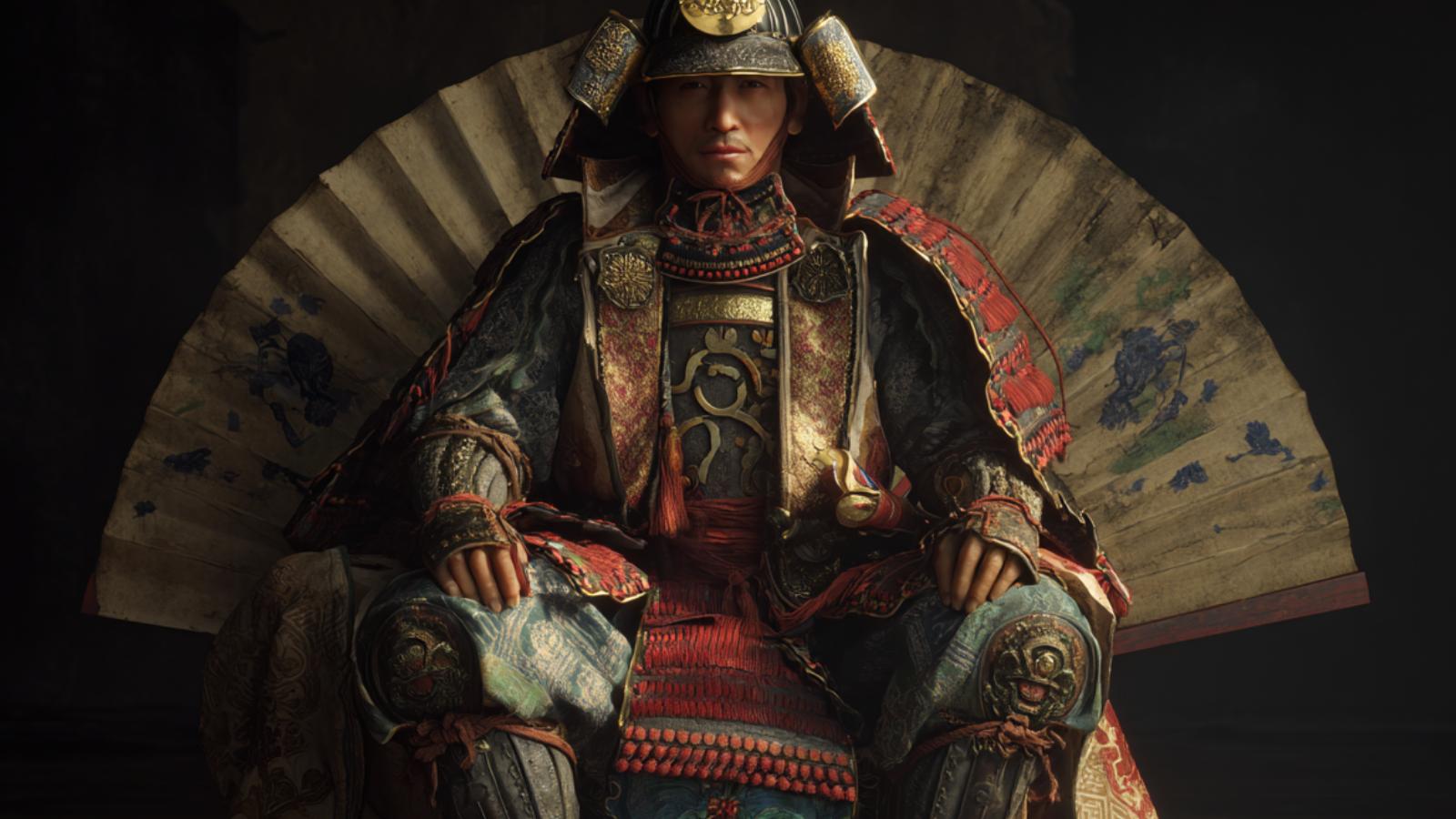
“武士の道は常に正しき道なり。”
— The way of the samurai is always the righteous path.

| Lead 統率 |
Valor 武勇 |
Intel 知略 |
Pol 政治 |
|---|---|---|---|
| 75 | 70 | 80 | 65 |
| Name (JP) | 宇都宮 広綱 |
|---|---|
| Title | Daimyo |
| Clan / Force | Utsunomiya Clan |
| Era | 1537 – 1595 |
| Origin | Tochigi |
| Key Battles | |
| Arts | Ikebana |
About Utsunomiya Hirotsuna
Despite the chaotic environment of the Sengoku period, Hirotsuna received an education that emphasized martial skills as well as strategy, which set the foundation for his future exploits as a warrior.
Early exposure to the conflicts of the times shaped his worldview, fostering a belief in the samurai code of honor and loyalty.
Over the years, Hirotsuna consolidated power by forging strategic alliances with neighboring clans and participating in various feuds that marked the period.
His reputation as a capable leader grew, especially during the conflicts against the Takeda and Uesugi clans.
He demonstrated significant prowess in managing both people and resources, which allowed him to maintain stability in his province amid the turmoil surrounding him.
His ability to navigate the complexities of politics during this era further solidified his standing among contemporary warriors.
Hirotsuna is particularly remembered for his tactical involvement in multiple key where he displayed both intelligence and valor.
While he was not as prominently recognized as other daimyo, his strategies often turned the tide in crucial moments, particularly in skirmishes where he led his men from the front.
His understanding of terrain and enemy psychology contributed to several victories, enhancing his reputation and securing his position in the region.
Utsunomiya Hirotsuna passed away in 1595, leaving behind a that would influence future generations of samurai.
His commitment to the samurai code and his efficient governance reflected the ideals of bushido.
Today, he is remembered as a warlord who, while perhaps overshadowed by more famous contemporaries, played a vital role in the history of Tochigi and the greater context of the Sengoku period.









comment