
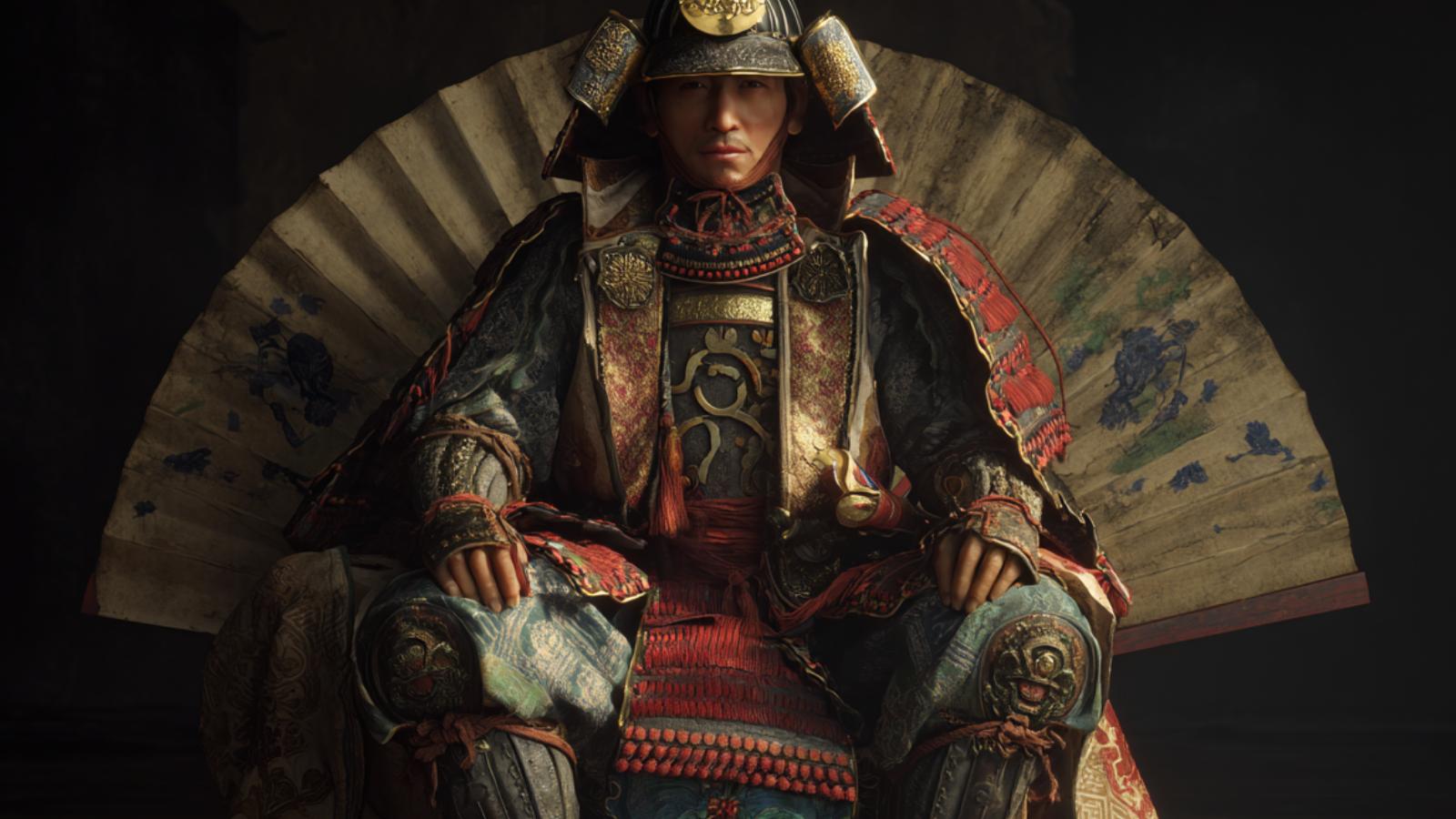
“風に乗って、希望の道を切り拓け。”
— Ride the winds and carve a path of hope.

| Lead 統率 |
Valor 武勇 |
Intel 知略 |
Pol 政治 |
|---|---|---|---|
| 70 | 68 | 75 | 65 |
| Name (JP) | 由良 成繁 |
|---|---|
| Title | Daimyo |
| Clan / Force | Miyoshi Clan |
| Era | 1516 – 1587 |
| Origin | Harima |
| Key Battles | |
| Arts | Martial Arts |
About Yura Narishige
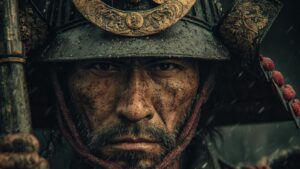
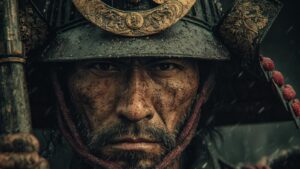
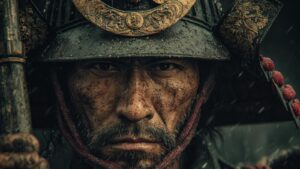
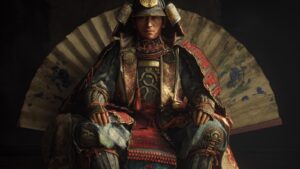
Coming from a samurai lineage, he was trained from a young age in martial arts and was immersed in the traditions and responsibilities of the samurai class.
His early education laid the foundation for a life that would intertwine with the chaotic tapestry of the Sengoku period, shaping his identity as a lord and warrior.
As Narishige matured, he distinguished himself through his tactical acumen and personal valor in skirmishes against rival clans.
He rapidly ascended to become a respected daimyo, forging alliances that enhanced his influence in the region.
His loyalty to more prominent daimyos, particularly during the campaigns of Nobunaga, marked him as a reliable figure in the shifting allegiances of the time.
His strategies often involved exploiting terrain and leveraging the strengths of his warriors, showcasing his understanding of both the battlefield and his troops.
In a tumultuous era, he managed to maintain a stronghold in Harima, earning respect from both allies and enemies.
Narishige participated in several key throughout his career, including notable engagements during the anti-ashikaga campaigns and conflicts against the Takeda clan.
His forces were primarily engaged in guerrilla warfare tactics that allowed him to defend his territory effectively.
While not as renowned as some of his contemporaries, his contributions on the field and his ability to inspire his men were instrumental in securing victories that bolstered his standing.
However, his greatest asset was not just his prowess in battle but his ability to understand the ever-changing dynamics of political alliances.
Yura Narishiges is marked by his commitment to his domain and his effective governance.
While overshadowed by the giants of his era, he left an indelible mark on the history of Harima.
His approach to leadership combined military strength with a sense of duty to his people, earning him both respect and admiration.
After his death in 1587, his descendants continued to uphold the values he instilled, ensuring that his spirit lived on in the generations that followed.
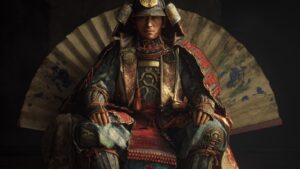
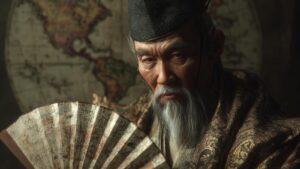
As a samurai who rose to prominence amidst strife, Narishige remains a significant figure in the history of the Sengoku period, emblematic of the dedication and complexity of the samurai ethos.
comment