
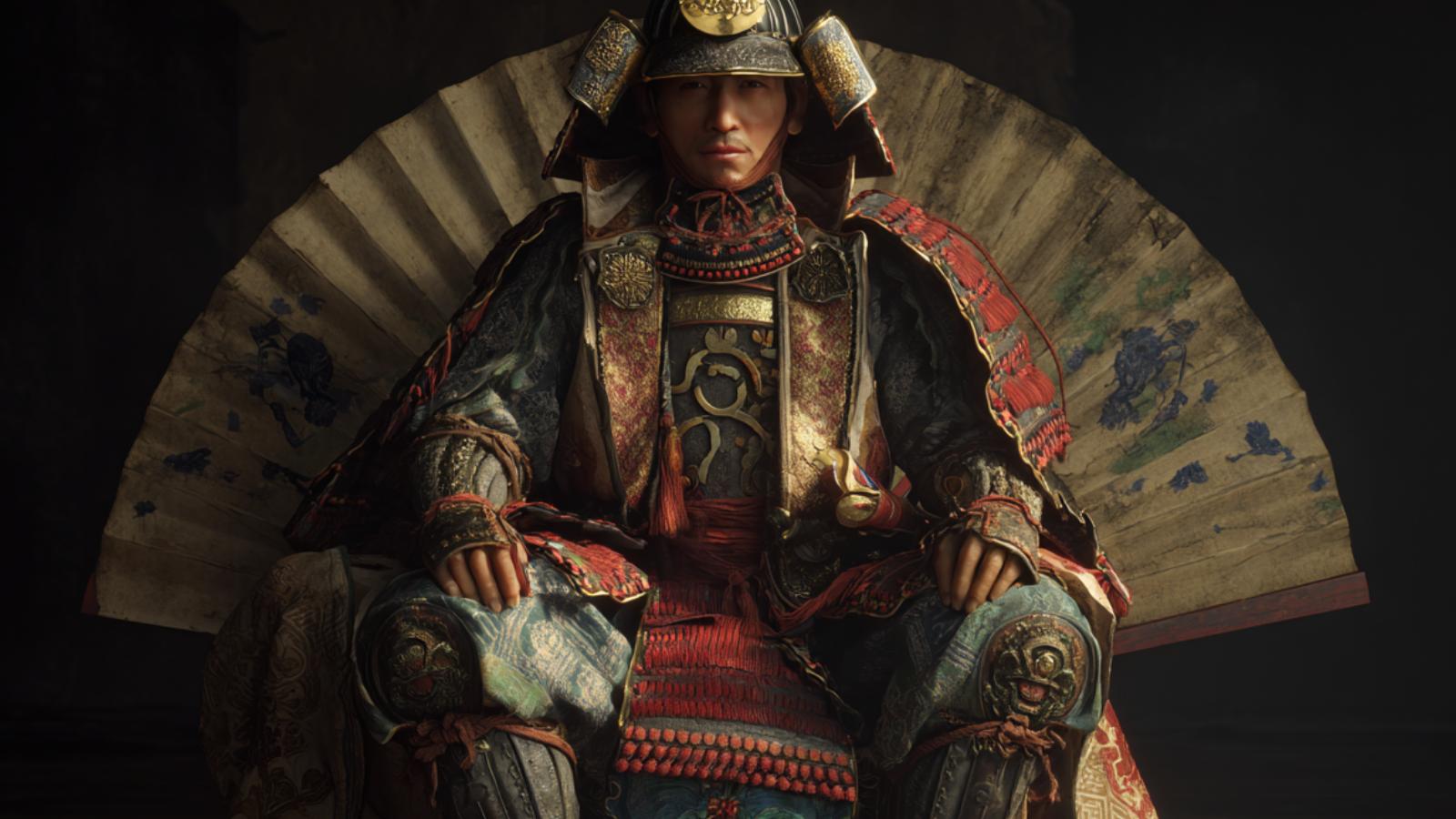
“義をもって進むが、恐れることはない。”
— Advance with righteousness, without fear.

| Lead 統率 |
Valor 武勇 |
Intel 知略 |
Pol 政治 |
|---|---|---|---|
| 75 | 70 | 80 | 65 |
| Name (JP) | 長野 業正 |
|---|---|
| Title | Daimyo |
| Clan / Force | Uesugi Clan |
| Era | 1535 – 1591 |
| Origin | Shinano |
| Key Battles | |
| Arts | Calligraphy |
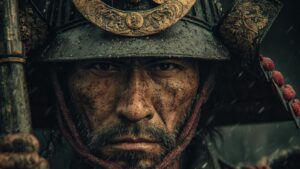
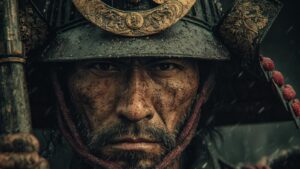
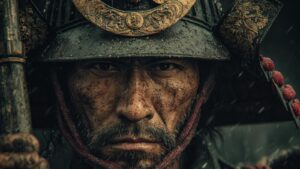
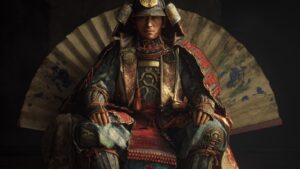
About Nagano Narimasa
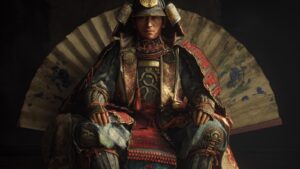
Coming from a samurai lineage, he was raised in a culture that emphasized honor, discipline, and the martial arts.
As a young warrior, he learned the ways of the sword and strategy from his father, who was also a respected retainer in the region.
Narimasa was known for his keen intellect and talent for leadership, which set the stage for his in the chaotic landscape of feudal Japan.
During the 1560s, as the power of various clans shifted dramatically, Narimasa began to make a name for himself within the Takeda clan, known for its military prowess.
His strategic acumen earned him the respect of his peers and superiors alike.
He played a significant role in several key, effectively commanding troops and often leading the charge himself.
His loyalty to the Takeda clan was unwavering, and he was instrumental in their campaigns against rival clans.
Narimasas reputation as a capable general began to spread, and he was granted the of daimyō, securing his position in the hierarchy of Sengoku Japan.
Narimasa participated in numerous throughout his career, most notably during the Takeda clans engagements against the Uesugi and the Tokugawa forces.
His intelligence and ability to read the battlefield allowed him to devise effective strategies that led to several critical victories.
Despite facing numerous challenges, including shifting alliances and formidable opponents, Narimasas leadership remained marked by a commitment to his men and a deep sense of duty.
His valor on the battlefield was widely acknowledged, even as he navigated the complexities of clan politics and warfare.
Nagano Narimasas is characterized by his contributions to the Takeda clan and his embodiment of samurai virtues.
After the decline of the Takeda power, he continued to serve the region, adapting to the new political landscape under the unifying forces of Hideyoshi and later Ieyasu.
His life story is a testament to the resilience and dedication of the samurai class during one of Japans most tumultuous periods, and he is remembered not only for his martial skills but also for his commitment to the principles of honor and loyalty that defined his life.
comment