
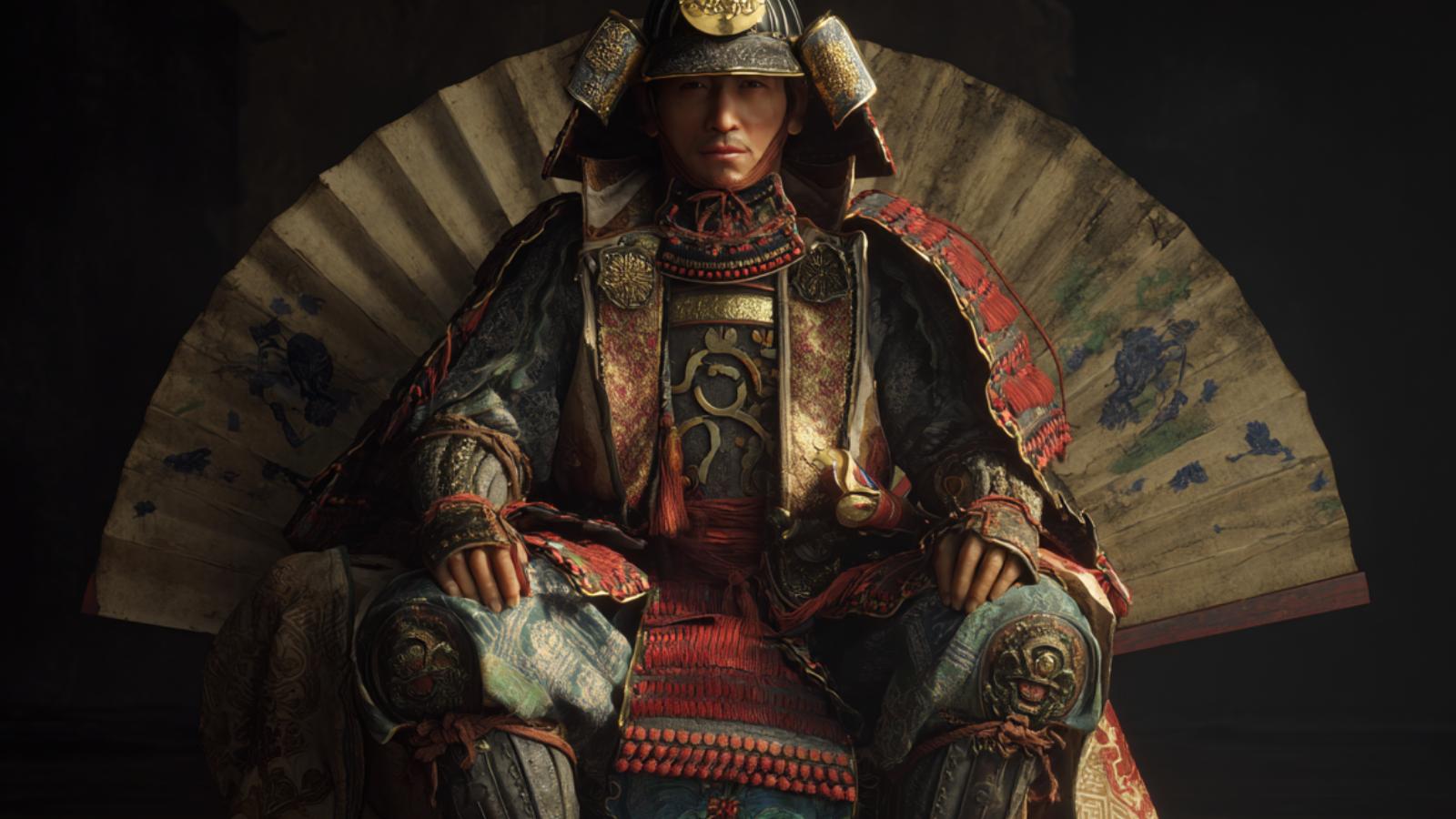
“武士は自らの道を歩むべし。”
— A samurai should walk his own path.

| Lead 統率 |
Valor 武勇 |
Intel 知略 |
Pol 政治 |
|---|---|---|---|
| 72 | 68 | 75 | 65 |
| Name (JP) | 里見 義堯 |
|---|---|
| Title | Daimyo |
| Clan / Force | Satomi Clan |
| Era | 1547 – 1612 |
| Origin | Awa |
| Key Battles | |
| Arts | Martial Arts |
About Satomi Yoshitaka
He belonged to the Satomi clan, which had been prominent in the region for generations.
Growing up during the tumultuous Sengoku period, Yoshitaka was exposed to the intricacies of feudal politics and warfare from a young age.
As a member of a samurai lineage, he was trained in the arts of combat and strategy, shaping him into a capable leader.
Yoshitaka began to to power in the late 16th century, capitalizing on the instability caused by the conflict among various warlords.
His leadership skills helped consolidate the Satomi clan’s influence, as he navigated alliances and conflicts with neighboring clans.
By employing a blend of diplomacy and military tactics, he expanded his domain and strengthen his hold over the region.
Versatile in both strategy and combat, Satomi Yoshitaka engaged in numerous throughout his career, demonstrating a knack for tactical innovation.
His campaigns were characterized by strategic maneuvers that often caught opponents off guard.
Despite facing formidable foes, he managed to maintain the integrity of his territory and secure victories that enhanced his reputation as a capable daimyo.
Satomi Yoshitakas endures within the history of the Sengoku period.
Known for his martial skills and strategic acumen, he contributed significantly to the samurai culture.
His quote, 武士は自らの道を歩むべし, underscores the samurais commitment to personal honor and integrity.
After his death in 1612, the Satomi clan continued to influence the region, reflecting the foundations laid by Yoshitaka during his lifetime.









comment