
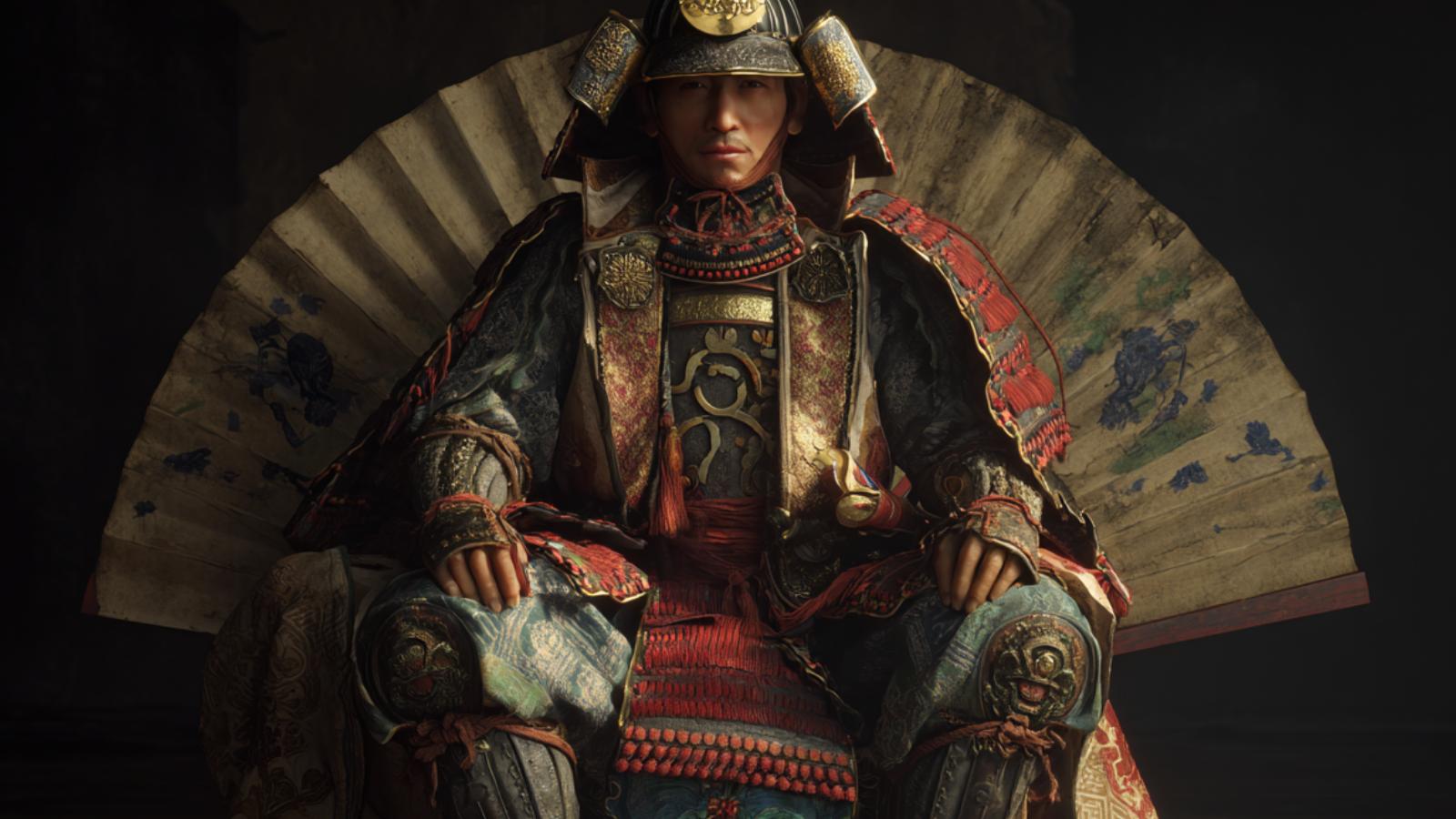
“勝利は努力の果実である。”
— Victory is the fruit of effort.

| Lead 統率 |
Valor 武勇 |
Intel 知略 |
Pol 政治 |
|---|---|---|---|
| 70 | 75 | 68 | 60 |
| Name (JP) | 北条 綱成 |
|---|---|
| Title | Daimyo |
| Clan / Force | Hojo Clan |
| Era | 1525 – 1590 |
| Origin | Sagami |
| Key Battles | |
| Arts | Noh Theatre |
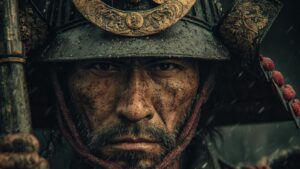
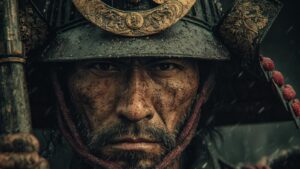
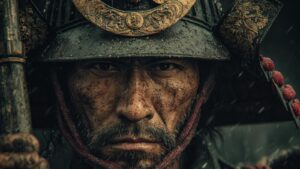
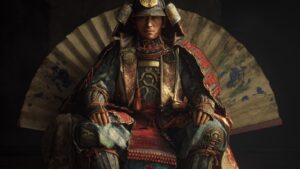
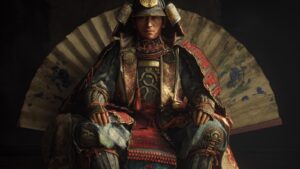
About Hojo Tsunashige
As a member of the influential Hojo clan, he was raised in the tradition of samurai values, emphasizing loyalty, martial prowess, and strategy.
Tsunashige showed promise as a young warrior, often participating in local skirmishes and gaining a reputation for his skill with the katana.
Tsunashiges to prominence began during the mid-1550s, as the Hojo clan expanded its influence over the Kanto region.
He became known for his ability to command troops effectively and was given the of Daimyo.
His leadership was significant during the that the clan engaged in against rival clans, especially against the Takeda and Uesugi forces.
Despite facing numerous challenges, Tsunashige maintained loyalty to his clan and was involved in various strategic decisions that would shape the Hojos military campaigns.
Tsunashige played a vital role in several notable, including the defense of Odawara against the combined forces of Toyotomi Hideyoshi.
His tactical approach demonstrated his understanding of both offensive and defensive maneuvers, although ultimately the Hojo were unable to withstand the overwhelming forces arrayed against them.
Nevertheless, his valor in combat endeared him to his soldiers, and he was respected by his allies and foes alike.
Hojo Tsunashiges is marked by his commitment to the samurai code of bushido and his contributions to the Hojo dynasty.
While his clan eventually succumbed to the pressures of unification under Hideyoshi, Tsunashiges memory persists in the annals of Japanese history as a capable and valiant leader.
His story serves as a testament to the complexities of allegiance and warfare during one of Japan’s most turbulent eras.
comment