
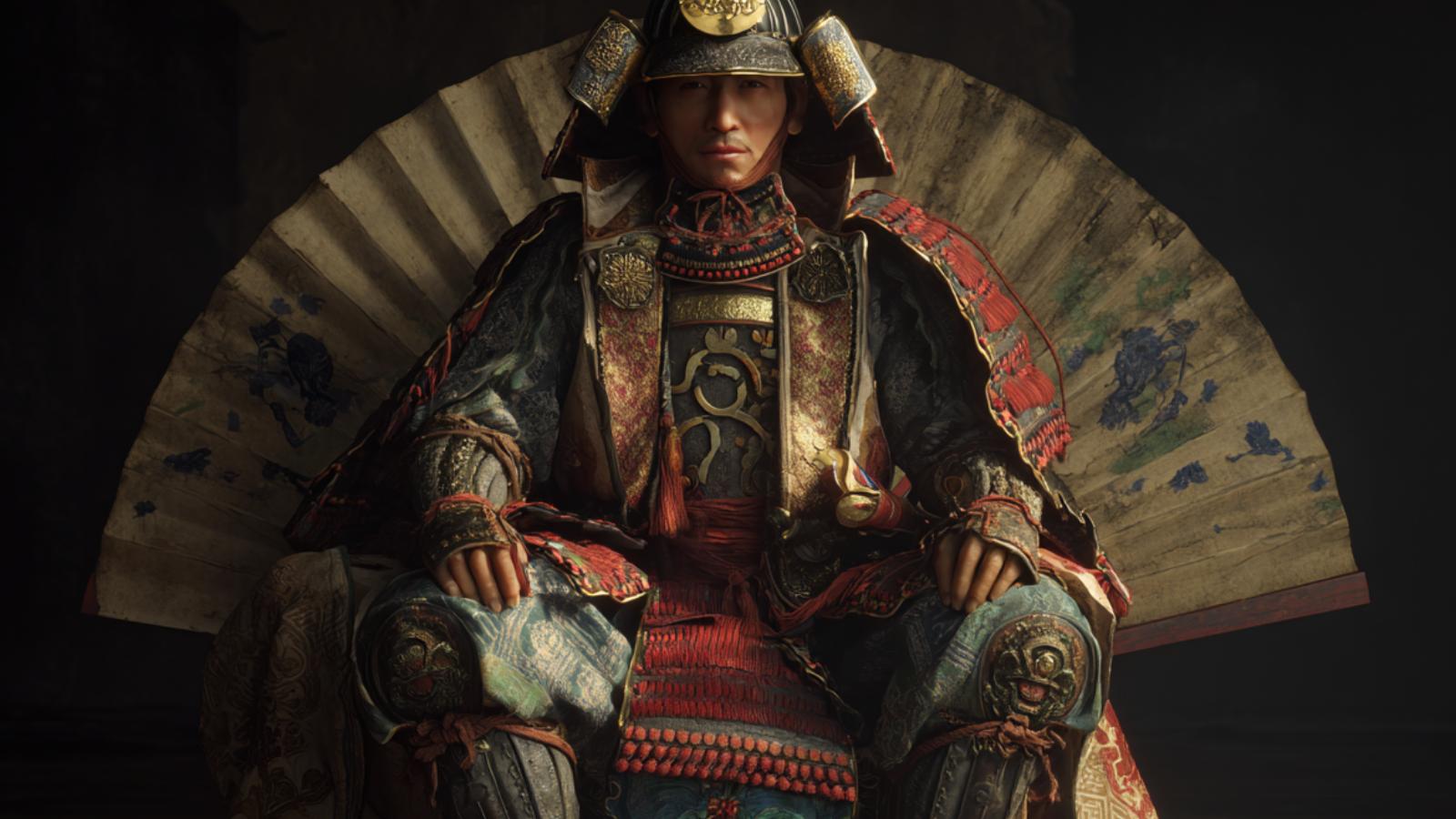
“武士の道は忠義と勤勉である。”
— The path of the warrior is loyalty and diligence.

| Lead 統率 |
Valor 武勇 |
Intel 知略 |
Pol 政治 |
|---|---|---|---|
| 75 | 70 | 65 | 60 |
| Name (JP) | 柿崎 晴家 |
|---|---|
| Title | Daimyo |
| Clan / Force | Uesugi Clan |
| Era | 1545 – 1582 |
| Origin | Shinano |
| Key Battles | |
| Arts | Calligraphy |
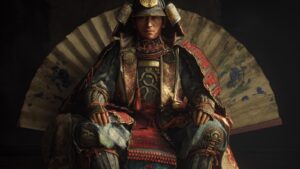
About Kakizaki Haruie
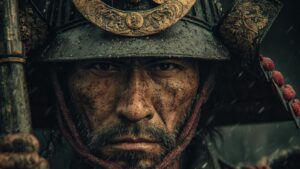
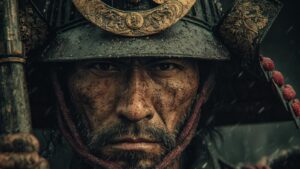
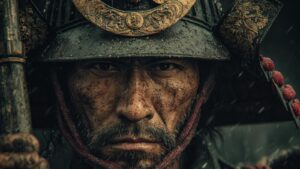
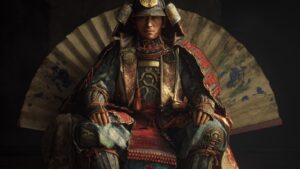
Coming from a lineage of Shugo, he was raised in the tumultuous era of the Sengoku period where regional lords were constantly vying for power.
His family was known for their military prowess and land management, which influenced Haruies upbringing.
At a young age, he was educated in the arts of warfare and governance, instilling in him the values of loyalty and duty to his lord.
Haruies early military career began under the service of the Takeda clan, where he demonstrated his competence during various skirmishes.
As he matured, he became a trusted retainer and ascended to the rank of Daimyo, governing a portion of the Shinano province.
His leadership was characterized by a balance of diplomatic negotiation and military readiness, allowing him to maintain relative peace in his territory amidst the chaos surrounding him.
Over the years, he earned the respect of his peers and subordinates through his commitment to the samurai code and his effective management practices.
As a military leader, Kakizaki participated in several key throughout his career, including the notable conflicts against the Uesugi and Takeda forces.
While not the most aggressive general, Haruie was known for his strategic defensive tactics, often leveraging the terrain of Shinano to his advantage.
His valor on the battlefield earned him a reputation, although he preferred to minimize bloodshed through clever maneuvers and alliances.
His approach highlighted his understanding of resourcefulness over sheer force, leading to a mix of victories and stalemates that showcased his strategic intelligence, even if he was never regarded as a legendary general.
Kakizaki Haruie’s lives on as a model of a capable samurai leader during a time of unprecedented instability in Japan.
His teachings about loyalty, diligence, and effective governance continued to influence his descendants and retainers long after his death in 1582.
While he never reached the grandiose heights of some of his contemporaries, his contributions to the samurai tradition and his skilled leadership during challenging times are still remembered in regional histories of the Shinano province.
comment