
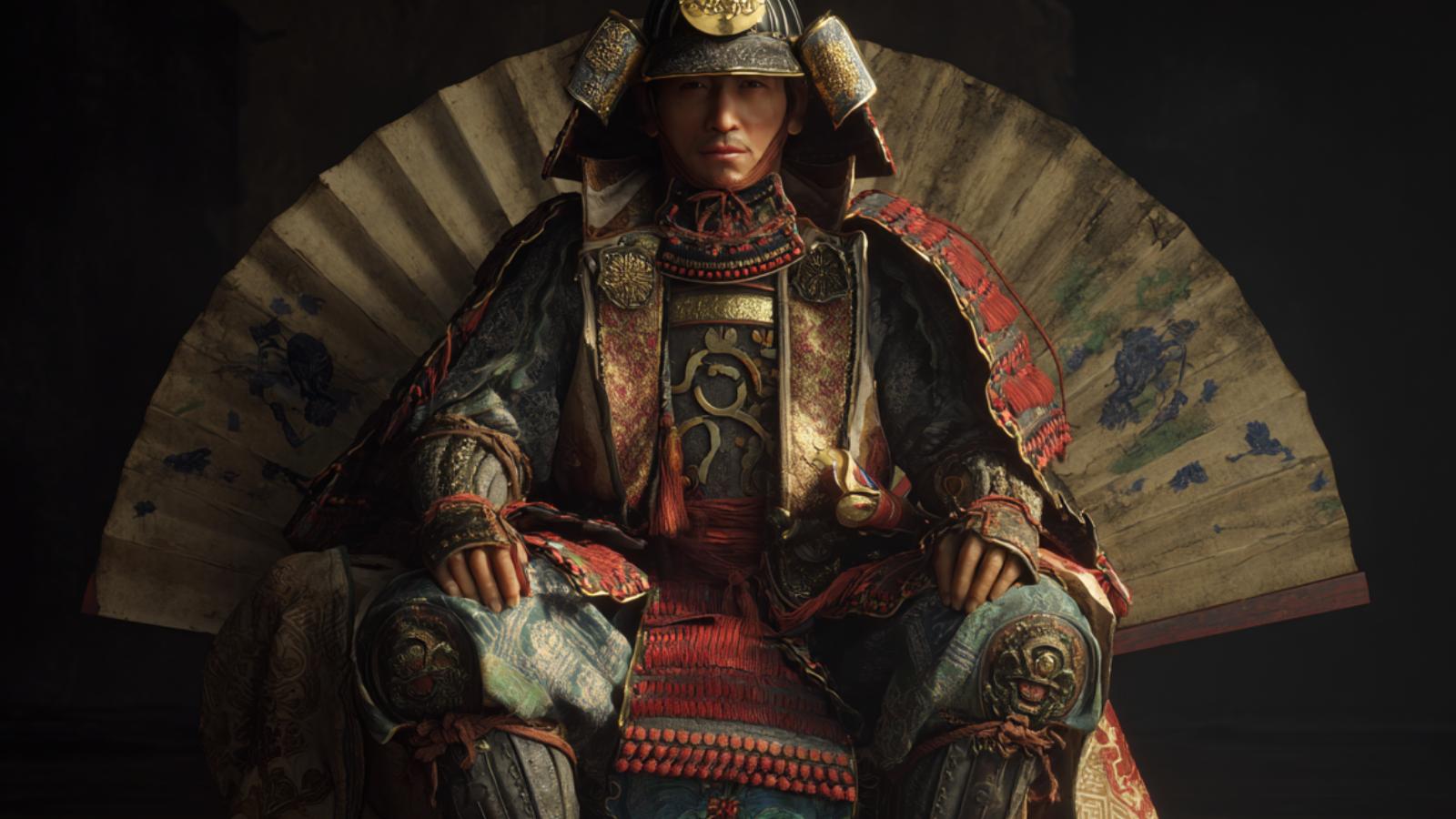
“忠義が武士の道である。”
— Loyalty and righteousness are the path of the warrior.

| Lead 統率 |
Valor 武勇 |
Intel 知略 |
Pol 政治 |
|---|---|---|---|
| 75 | 70 | 68 | 62 |
| Name (JP) | 本庄 繁長 |
|---|---|
| Title | Daimyo |
| Clan / Force | Toyotomi Clan |
| Era | 1550 – 1614 |
| Origin | Musashi |
| Key Battles | |
| Arts | Noh Theatre |
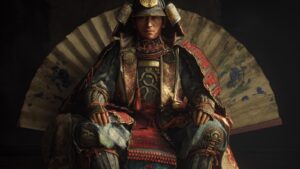
About Honjo Shigenaga
Raised in a tumultuous period of warring states, he was trained in the art of warfare and governance from a young age.
His father, a loyal retainer to a minor lord, instilled in him the values of loyalty and discipline, which would shape Shigenagas character and career.
As he grew older, Honjo Shigenaga joined the ranks of local daimyos, eventually becoming a trusted retainer.
His strategic mind and capabilities in battle earned him recognition, and he played significant roles in several key conflicts of the era, particularly during the of the late 16th century.
Shigenaga’s leadership caught the attention of prominent warlords, leading to his elevation to the status of daimyo in the region.
During his service, Shigenaga participated in numerous, showcasing his valor and tactical acumen.
His participation in the siege of Ueda Castle and the campaigns led by Toyotomi Hideyoshi solidified his reputation as a capable general.
Despite the chaos of the Sengoku era, he managed to maintain a sense of order and discipline in his domain, often mediating local disputes and promoting the arts, particularly Noh theatre, as a cultural staple in his province.
Shigenagas extends beyond mere battlefield accolades.
He is remembered for his strong sense of loyalty, particularly to his liege lords, and for fostering cultural growth in his territory.
After his death in 1614, his descendants continued to maintain the family’s prominence in the region, ensuring that his values lived on through generations.
Honjo Shigenaga remains an emblem of the samurai ethos, representing the balance between martial skill and artistic appreciation.




comment