“武士の道は誇り高きものでなければならぬ。”
— The way of the warrior must be one of honor.

| Lead 統率 |
Valor 武勇 |
Intel 知略 |
Pol 政治 |
|---|---|---|---|
| 75 | 70 | 80 | 65 |
| Name (JP) | 武田 信廉 |
|---|---|
| Title | Daimyo |
| Clan / Force | Takeda Clan |
| Era | 1550 – 1615 |
| Origin | Kai |
| Key Battles | |
| Arts | Kintsugi |
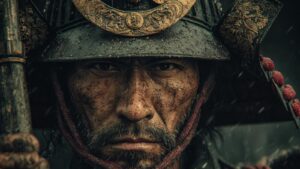
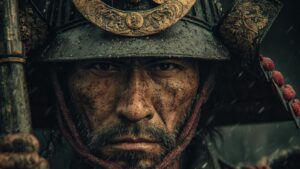
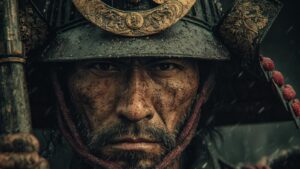
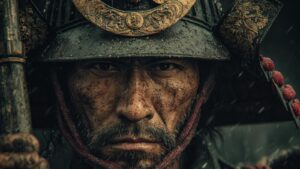
About Takeda Nobukado
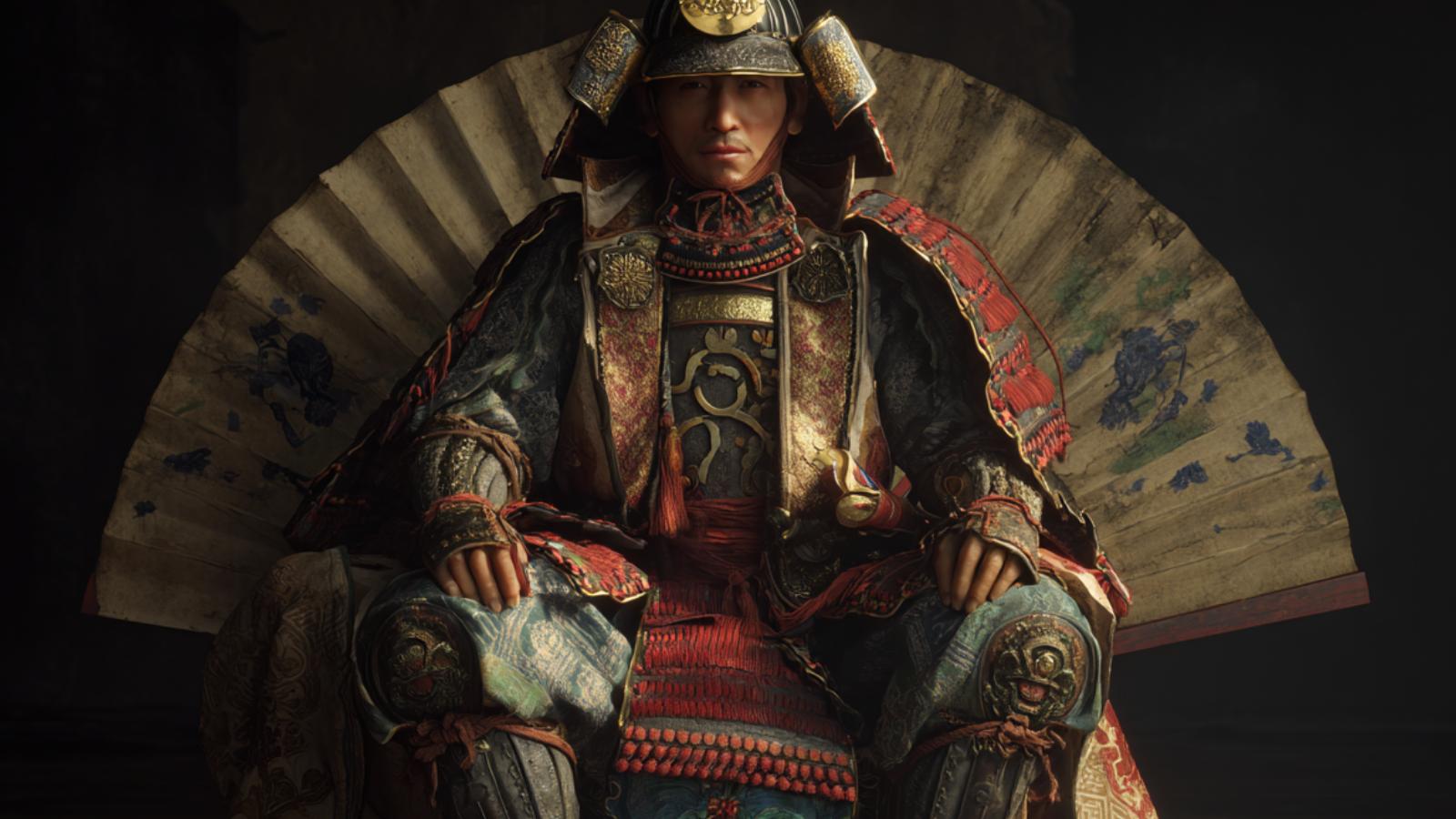
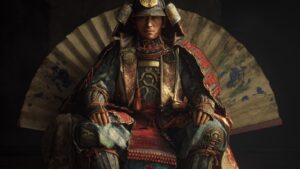
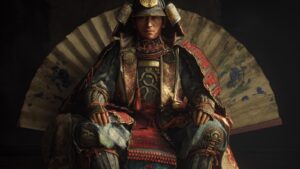
As a young samurai, he was groomed in the art of warfare and governance under his father, Takeda Katsuyori, and his renowned uncle, Takeda Shingen.
Nobukado grew up amidst the clans military campaigns and learned the importance of strategy, bravery, and honor.
Following the death of Takeda Shingen in 1573, Nobukados leadership skills became evident as he continued to support his brother, Katsuyori, in maintaining the stability of their domain.
The loss of their father greatly affected the clan, leading to a series of challenges, but Nobukado proved himself as a steadfast commander who rallied the troops and provided critical support during times of strife.
His tactical intelligence was often appreciated by surrounding daimyos and allies alike.
Nobukado actively participated in several key, including the Battle of Nagashino in 1575, where the Takeda clan faced adverse conditions against the forces of Oda Nobunaga.
Although the Takeda suffered a significant defeat, Nobukados valor and skills were recognized.
He continued to demonstrate his loyalty and prowess in subsequent confrontations, defending the Takeda territory against encroaching forces, often using his intelligence to orchestrate counter-strategies for survival.
Despite his loyal service to the Takeda clan, the eventual downfall of Katsuyori led to Nobukado’s as an independent daimyo.
He was known for his notable governance, and while he never reached the legendary status of his uncle Takeda Shingen, Nobukado remains a respected figure in samurai history.
His contributions to the clan during the Sengoku period laid the foundation for future samurai warfare and governance, eming the spirit of loyalty and honor that defines a true samurai.
comment