
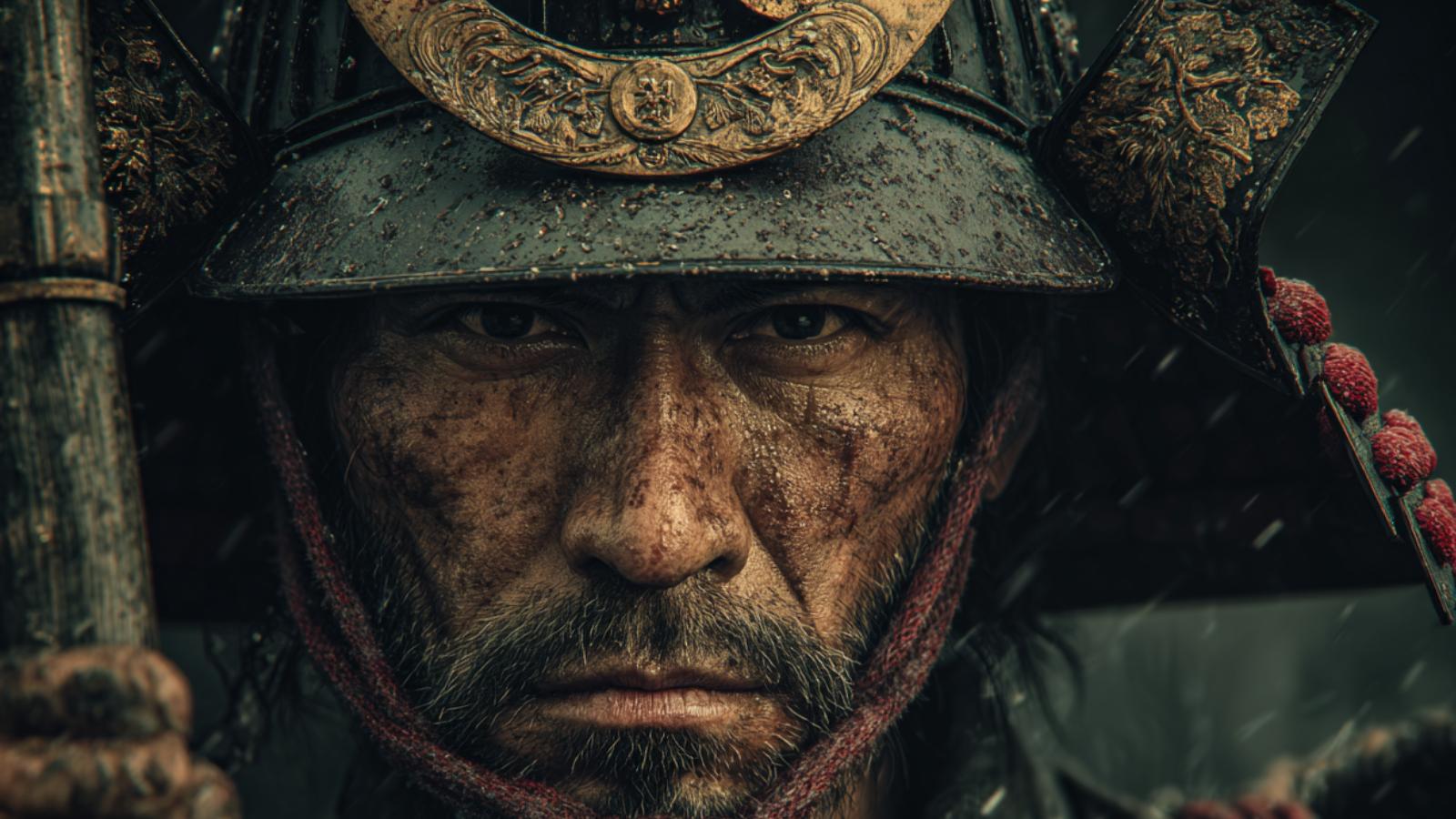
“武士は死なず、名を残す。”
— A warrior does not die; he leaves behind a name.

| Lead 統率 |
Valor 武勇 |
Intel 知略 |
Pol 政治 |
|---|---|---|---|
| 76 | 68 | 70 | 65 |
| Name (JP) | 土屋 昌次 |
|---|---|
| Title | Samourai |
| Clan / Force | Unknown |
| Era | 1540 – 1591 |
| Origin | Mutsu |
| Key Battles | |
| Arts | Martial Arts |
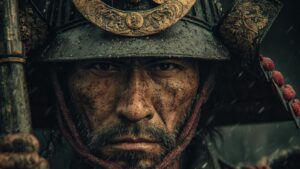
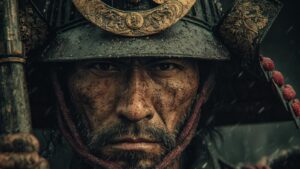
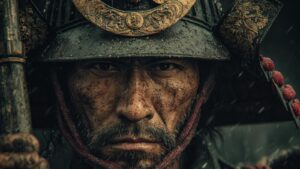
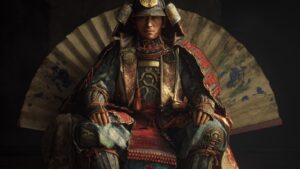
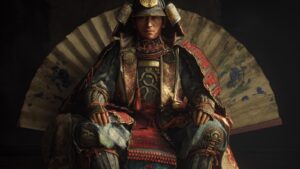
About Tsuchiya Masatsugu
Raised in an era marred by continual strife and warfare, Masatsugu was groomed to emthe virtues of bushido from a young age.
His early education included rigorous martial training and the study of strategy, laying the foundation for his future endeavors in the turbulent landscapes of feudal Japan.
Masatsugu’s ascent to prominence began during the later stages of the Sengoku period, where he served various feudal lords and distinguished himself in multiple skirmishes.
His skillful command and unwavering loyalty earned him respect among his peers, allowing him to secure a position as a trusted retainer in larger conflicts.
Notably, his leadership during key showcased his ability to adapt strategies, maneuvering troops to capitalize on enemy weaknesses, ultimately aligning him with powerful warlords seeking to unify Japan.
Throughout his career, Masatsugu participated in numerous significant .
However, his perseverance shone during the Battle of Kawanakajima, where he demonstrated both valor and tactical ingenuity.
Despite the overwhelming odds, his unwavering courage fortified the morale of his troops, resulting in a respectable performance even against a superior enemy force.
It is recorded that Masatsugu’s insights into terrain and troop morale contributed greatly to victory in subsequent, solidifying his repute as a capable general and tactician.
Tsuchiya Masatsugus lives on through the stories of his loyalty and bravery, appealing to future generations of samurai.
Even after his death in 1591, his philosophy and dedication to the way of the warrior remained influential in samurai culture.
Though not a legendary figure like Oda Nobunaga or Tokugawa Ieyasu, Masatsugu carved out a respected place in history as a symbol of perseverance and honor among the tumultuous tides of Japans feudal era.
comment