
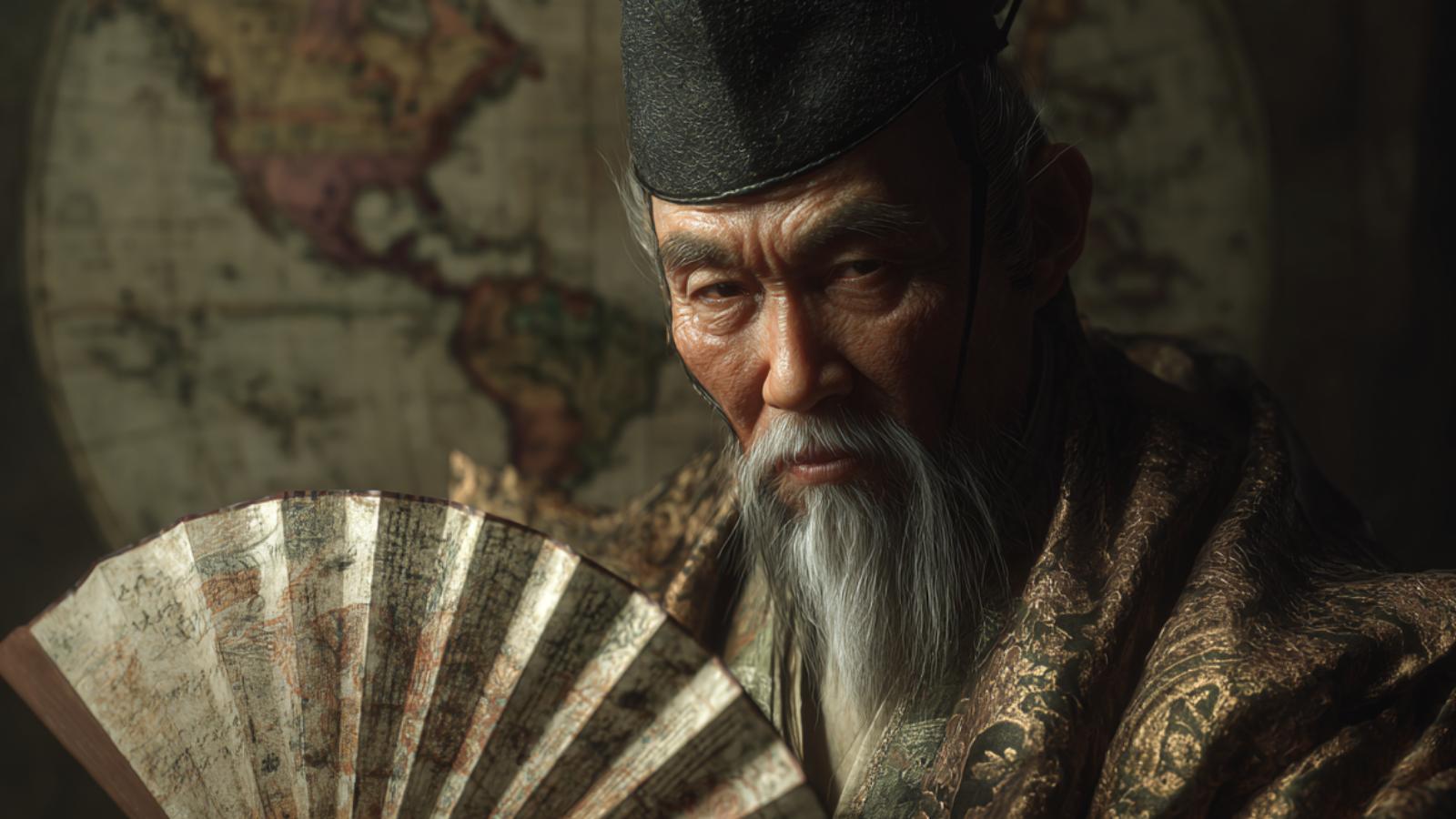
“全ての人々は平等です。”
— All people are equal.

| Lead 統率 |
Valor 武勇 |
Intel 知略 |
Pol 政治 |
|---|---|---|---|
| 75 | 50 | 80 | 90 |
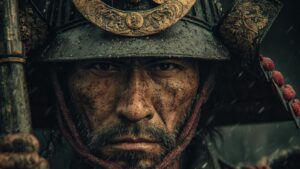
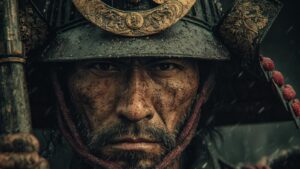
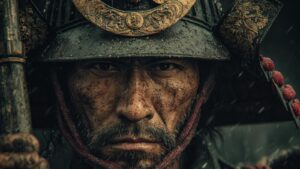
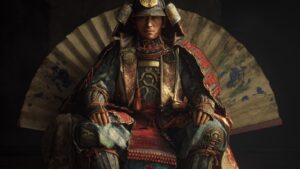
| Name (JP) | 本願寺 顕如 |
|---|---|
| Title | Abbot |
| Clan / Force | Hongan-ji Temple |
| Era | 1535 – 1592 |
| Origin | Awaji |
| Key Battles | |
| Arts | Buddhism |
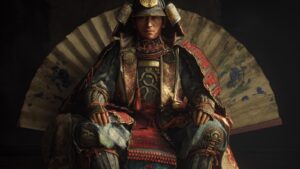
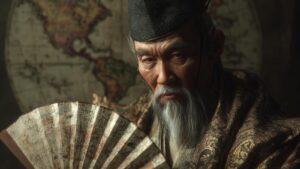
About Honganji Kennyo
Growing up in a religious environment, he was deeply influenced by the teachings of his father and immersed in the cultural heritage of Buddhism from a young age.
Following his fathers death in 1549, Kennyo ascended to the position of abbot at the age of 14.
His early leadership was marked by challenges, including the need to strengthen the sects influence against rival factions and the backdrop of a fragmented nation.
By leveraging his political acumen and alliances, he managed to consolidate the power of the Honganji sect, turning it into a formidable force in central Japan.
Although not a military leader in the traditional sense, Kennyo was involved in various conflicts that involved his sect, particularly against the forces of Oda Nobunaga.
He played a crucial role in rallying his followers and forming alliances with other Buddhist sects and daimyōs to counter external threats, showcasing a different kind of valor outside of personal combat.
During these turbulent times, he emphasized strategic negotiations and diplomacy to safeguard the interests of the Honganji sect.
Kennyos is profound, as he helped to elevate Pure Land Buddhism during a time of aesthetic and cultural development in Japan.
He was instrumental in promoting the sects ideologies and practices, ensuring its survival and relevance well into the modern era.
His emphasis on equality and peace continues to resonate in contemporary discussions on social justice within Buddhist circles.
comment