
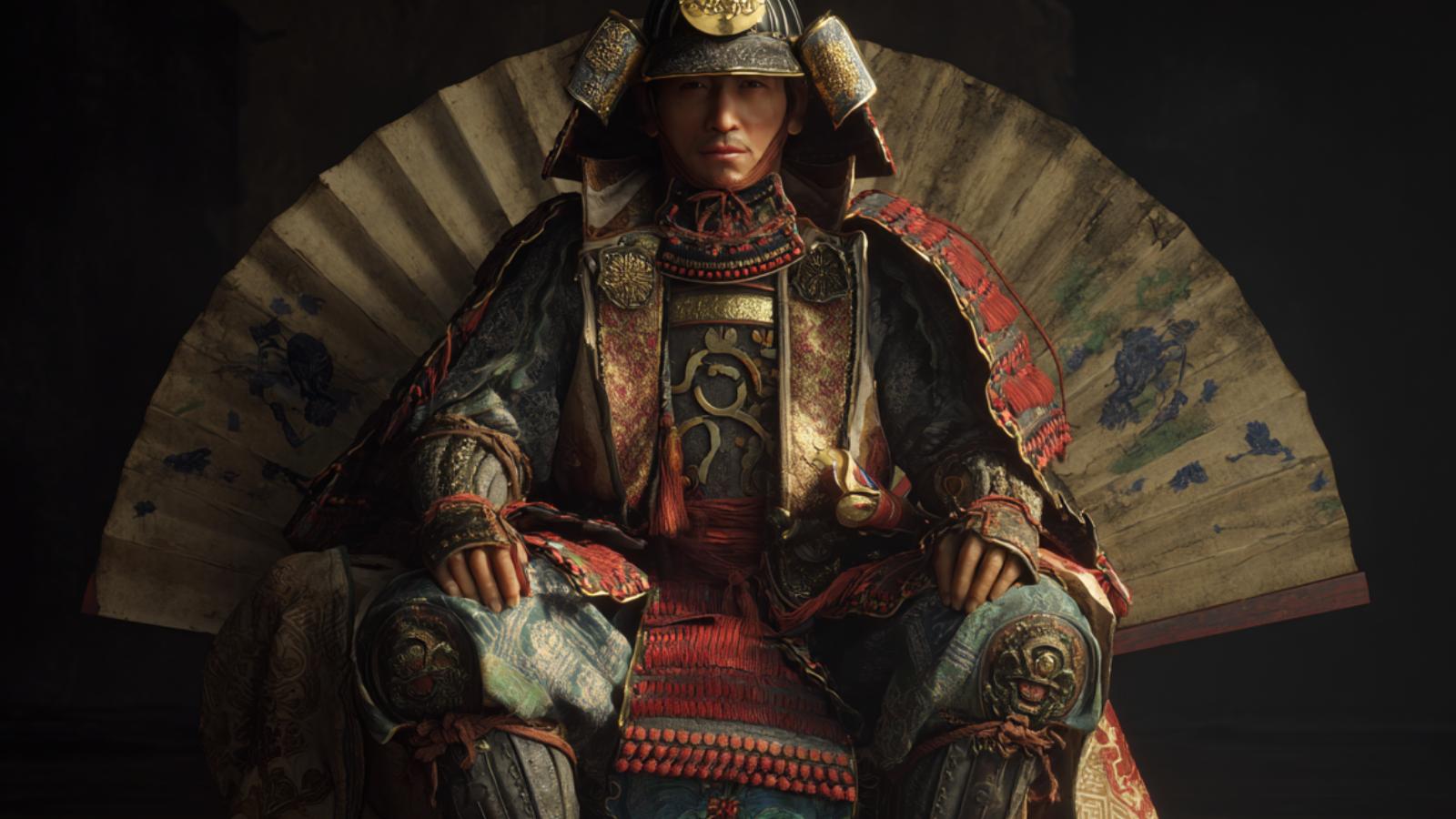
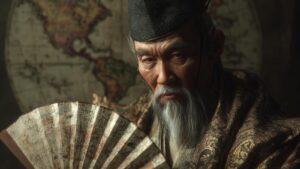
“知恵こそが勝利をもたらす。”
— Wisdom is what brings victory.

| Lead 統率 |
Valor 武勇 |
Intel 知略 |
Pol 政治 |
|---|---|---|---|
| 75 | 70 | 80 | 78 |
| Name (JP) | 細川 澄元 |
|---|---|
| Title | Daimyo |
| Clan / Force | Hosokawa Clan |
| Era | 1515 – 1564 |
| Origin | Kyushu |
| Key Battles | |
| Arts | Calligraphy |
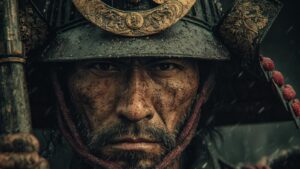
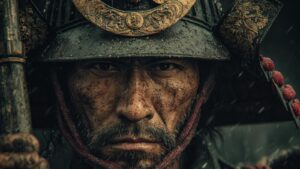
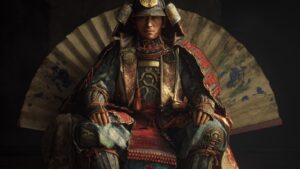
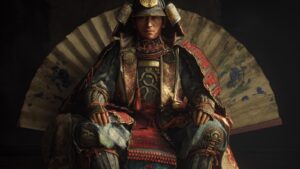
About Hosokawa Sumimoto
His was steeped in the martial traditions of the samurai, as well as the cultural influences of the time, especially in arts such as calligraphy.
Raised in the volatile environment of feudal Japan, Sumimoto quickly learned the importance of strategy and diplomacy.
As tensions flared among the various daimyos of Japan, Sumimoto emerged as a key player, navigating the complexities of allegiances and rivalries.
By aligning himself with powerful figures such as the Otomo clan, he was able to bolster his own influence in the Kyushu region.
His leadership qualities started to shine as he solidified his power and gained respect among his peers, proving to be a capable military leader and politician alike.
Throughout his career, Sumimoto participated in several notable that showcased both his tactical intelligence and valor.
His involvement in the campaigns against the Shimazu clan is particularly well-remembered, where he applied innovative strategies to outmaneuver his opponents.
Although not always victorious, his ability to regroup and adapt earned him a reputation as a formidable opponent and a reliable ally in the tumultuous landscape of the Sengoku period.
Hosokawa Sumimotos is marked not only by his military engagements but also by his contributions to governance and culture in the Kyushu region.
His emphasis on wisdom and diplomacy helped lay the groundwork for the stabilization of his area post-conflict.
He is remembered as a capable and respected daimyo whose life exemplified the balance of martial excellence and civil administration, and he remains an important figure in the history of the samurai and the Sengoku era.

comment