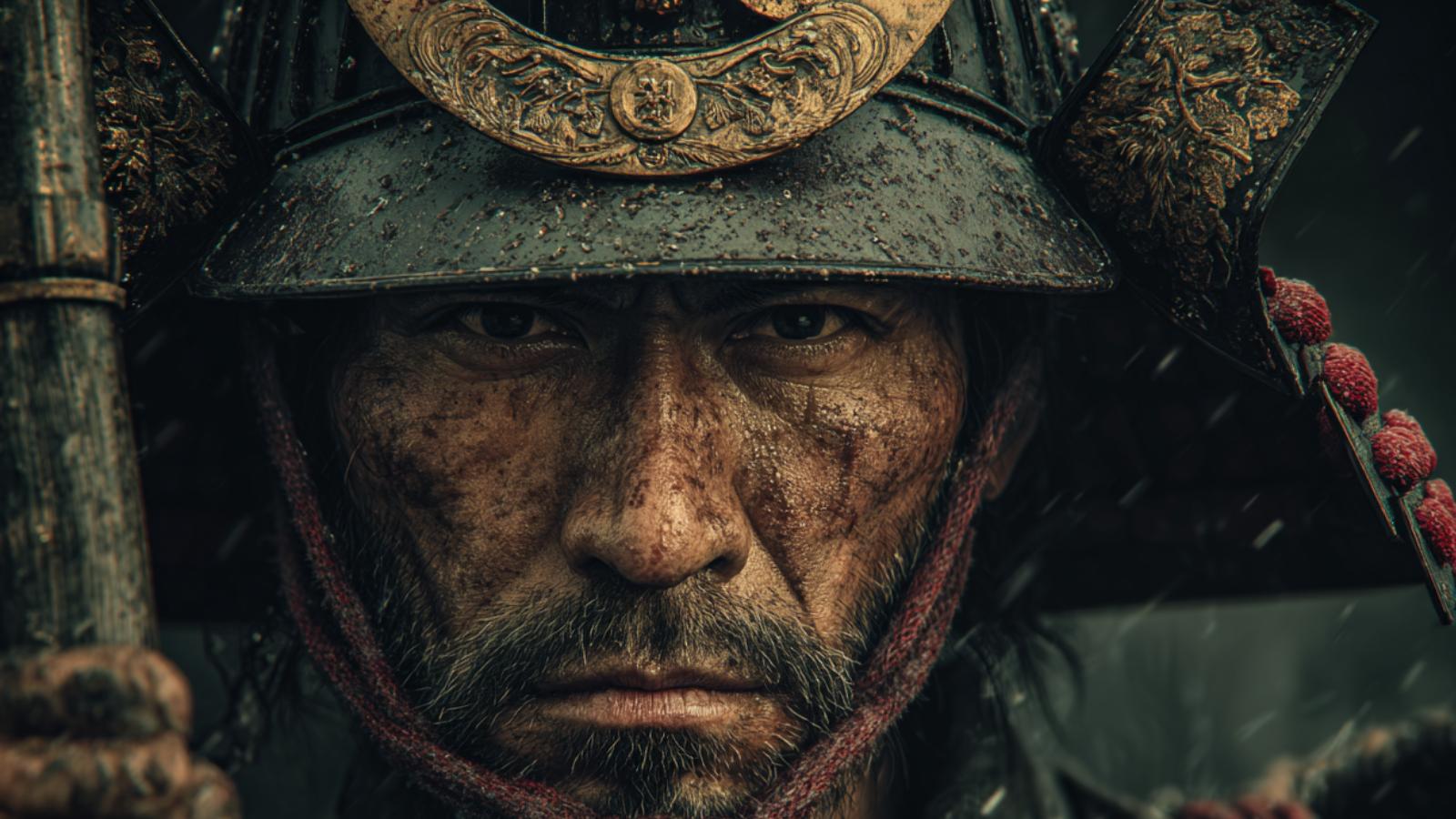
“義は我が心に宿る。”
— Righteousness dwells within my heart.

| Lead 統率 |
Valor 武勇 |
Intel 知略 |
Pol 政治 |
|---|---|---|---|
| 65 | 50 | 70 | 80 |
| Name (JP) | 足利 義昭 |
|---|---|
| Title | Shōgun |
| Clan / Force | Ashikaga Clan |
| Era | 1537 – 1597 |
| Origin | Kyoto |
| Key Battles | |
| Arts | Noh Theater |
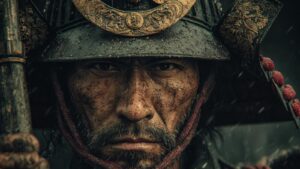
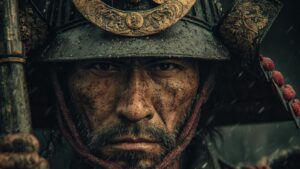
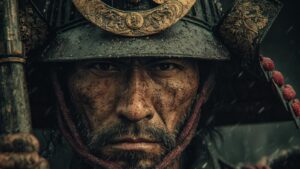
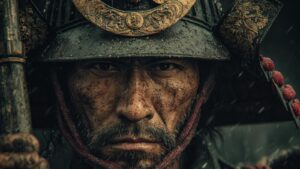
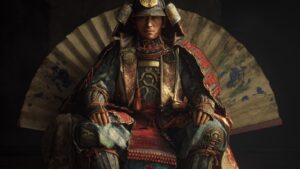
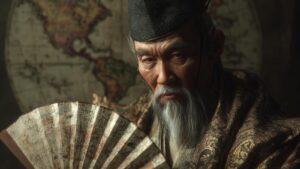
About Ashikaga Yoshiaki
He was the youngest son of Ashikaga Yoshiteru, the 13th shōgun of the Ashikaga shogunate.
Yoshiaki experienced a privileged childhood but was thrust into a world of political turmoil following the death of his brother, which led to a shift in the power dynamics of the era.
Yoshiaki became shōgun in 1568 with the support of Oda Nobunaga, a powerful daimyō who sought to consolidate his control over Japan.
However, his rule was challenged almost immediately by rival daimyōs and the internal strife of the Ashikaga family.
Although he initially sought to restore the influence of the Ashikaga, Yoshiaki found himself increasingly overshadowed by Nobunagas military might and ambition.
Their alliance quickly soured, leading to Yoshiaki’s eventual downfall, as Nobunagas forces expelled him from Kyoto in 1573.
Following his expulsion, Yoshiaki fled to the eastern provinces and struggled to rebuild his power.
Despite several attempts to regain control and rally other clans to his side, he was unable to match the military prowess of Nobunaga or later, Toyotomi Hideyoshi.
Yoshiakis engagements during this time were characterized more by political maneuvering than by direct military confrontations, reflecting his focus on survival rather than conquest.
Yoshiaki’s tenure as shōgun is often seen as the symbolic close of the Ashikaga shogunate.
Although he never reclaimed his former power, his lives on as a figure of resilience in the face of overwhelming challenges.
His life reflects the chaotic transitional period of Japan as it moved towards unification under more powerful leaders like Nobunaga and Hideyoshi.
Ultimately, Yoshiaki embodies the struggles of a bygone era while contributing to the rich tapestry of samurai history.
comment