
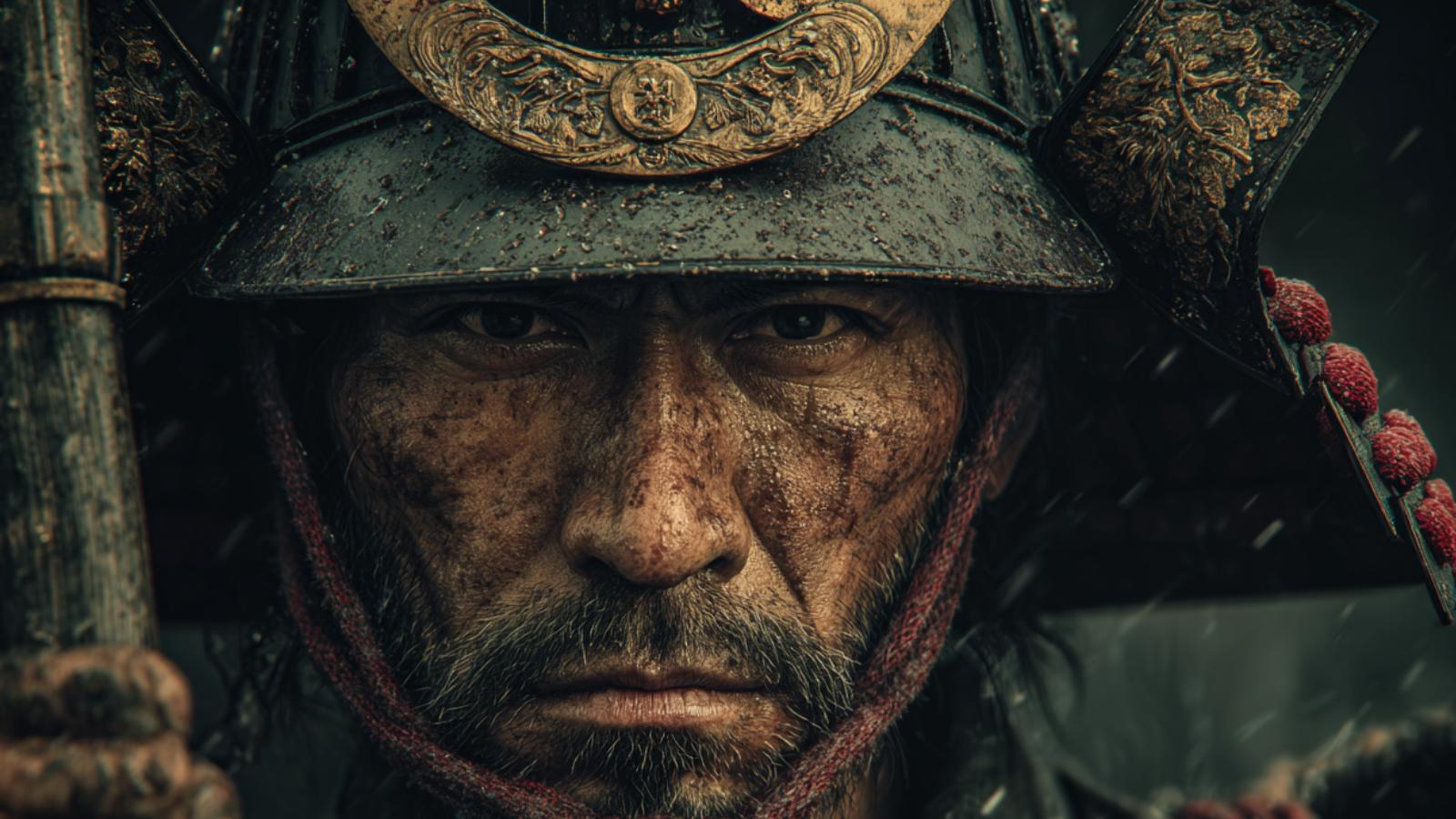
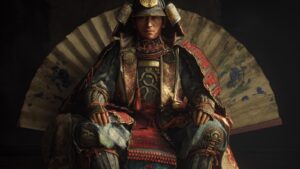
“武士として、我が道を貫かん。”
— As a warrior, I shall follow my path.

| Lead 統率 |
Valor 武勇 |
Intel 知略 |
Pol 政治 |
|---|---|---|---|
| 70 | 60 | 75 | 65 |
| Name (JP) | 足利 義輝 |
|---|---|
| Title | Shōgun |
| Clan / Force | Ashikaga Shogunate |
| Era | 1542 – 1565 |
| Origin | Kyoto |
| Key Battles | |
| Arts | Noh Theatre |
About Ashikaga Yoshiteru
His was marked by the political instability that characterized the Sengoku period, as various daimyos vied for control over their territories.
Yoshiteru ascended to the position of shōgun at a young age, inheriting a position of great responsibility.
Growing up, he was exposed to the arts and the cultures prevalent in the capital, which shaped his sensibilities as a ruler.
Yoshiteru became the 13th shōgun of the Ashikaga shogunate in 1546.
His tenure was fraught with challenges, as he struggled to assert authority over the powerful daimyos who disregarded the central government.
Despite these difficulties, he was noted for his patronage of the arts, particularly Noh theatre, and worked to revive the prestige of the shogunate.
However, the emergence of the powerful warlords like Oda Nobunaga and Takeda Shingen posed continuous threats to his regime.
During his reign, Yoshiteru faced numerous military campaigns, including against neighboring clans aiming to expand their influence.
His leadership was competent, but he lacked the military prowess of his predecessors.
The Siege of Kawagoe was one of his notable military challenges which ultimately led to diminished shogunate power.
Train crews of samurai were recruited and put into action, but due to political fragmentation, the cohesive defense of his territory faltered, leading to his eventual downfall.
Yoshiterus rule ended abruptly when he was assassinated during a coup led by the Japanese warlords determined to consolidate power for themselves in 1565.
His death marked the decline of the Ashikaga shogunate, although he is remembered for his efforts to maintain the artistic and cultural heritage of Japan amid the tumult of war.
Despite his relatively short tenure, Yoshiterus impact on the cultural landscape and his representation of the shōgunate endures in the historical narrative of Japan.




comment