
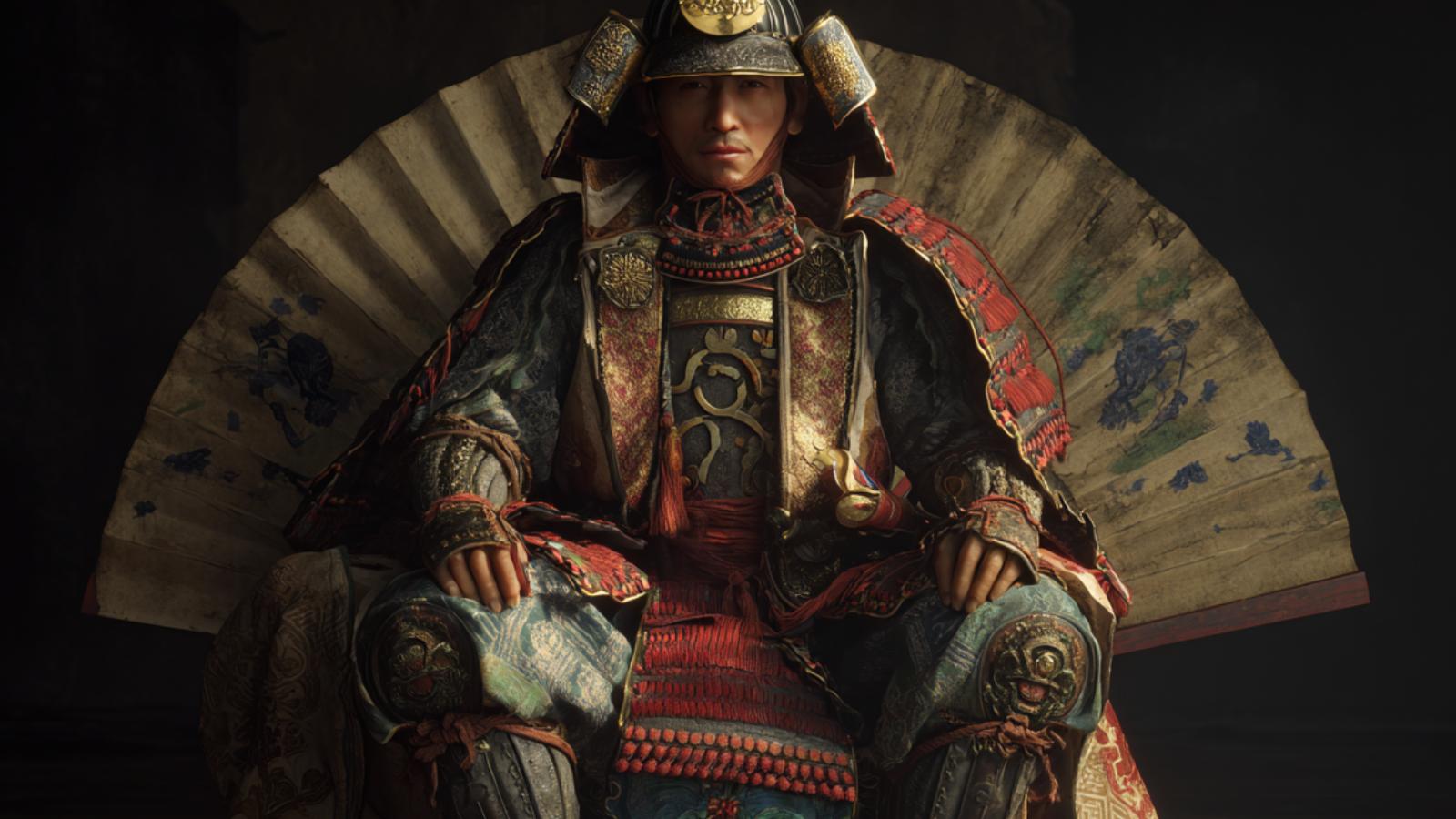
“武士の道を真に理解する者は、他者を思いやることが大切である。”
— Those who truly understand the way of the warrior must care for others.

| Lead 統率 |
Valor 武勇 |
Intel 知略 |
Pol 政治 |
|---|---|---|---|
| 75 | 70 | 68 | 65 |
| Name (JP) | 神保 長職 |
|---|---|
| Title | Daimyo |
| Clan / Force | Mogami Clan |
| Era | 1543 – 1593 |
| Origin | Kōzuke |
| Key Battles | |
| Arts | Noh Theatre |
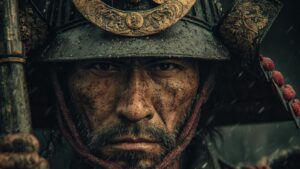
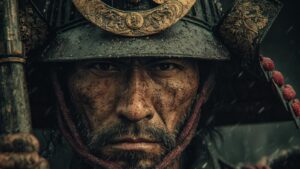
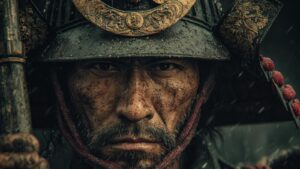
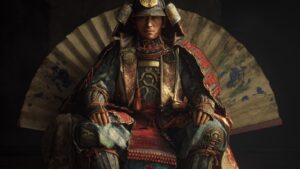
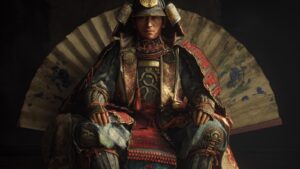
About Jinbo Nagamoto
His family was part of the Shugo class, and as a young boy, he was immersed in the traditions of the samurai.
His upbringing emphasized loyalty, honor, and martial skills, preparing him for a life that would see him in the turbulent period of the Sengoku jidai, or Warring States era of Japan.
Nagamoto was noted for his keen intellect and affinity for the arts, including Noh theatre, which distinguished him from many of his contemporaries who primarily focused on martial pursuits., ,content:Nagamotos to power began when he allied with several influential warlords in his region during the 1560s.
His strategic marriage alliances and shrewd diplomacy helped him consolidate power among the samurai class in Kōzuke.
By the late 1570s, he had successfully expanded his territory and established himself as a respected daimyo.
His leadership skills were evident during numerous skirmishes with rival clans, where his ability to adapt to changing circumstances on the battlefield resulted in several important victories.
Although he was not as illustrious as the big players of the time, Nagamoto built a solid reputation as a capable general., ,content:Throughout his military career, Jinbo Nagamoto was engaged in various conflicts that defined the Sengoku period.
He fought against the forces of Takeda Shingen and later against Oda Nobunagas expanding empire.
While he was involved in many, some of his notable skirmishes include the defense of Kōzuke against aggressive incursions from neighboring clans.
Despite his tactical prowess, he often found himself outmatched by larger armies, yet his valor in combat earned him respect among peers and adversaries alike.
His ability to lead his men amid adversity showcased his unwavering commitment to the samurai way., ,content:Nagamoto passed away in 1593, leaving behind a of cultural patronage and military competence.
While not among the most famous daimyo, he significantly impacted the regions he governed, influencing subsequent generations of samurai leaders.
His understanding and appreciation of the arts complement his military accomplishments, establishing Jinbo Nagamoto as a multifaceted figure in Japans history.
His ideals and connections to traditional culture continue to resonate in modern discussions of samurai philosophy and the values they embodied.
comment