
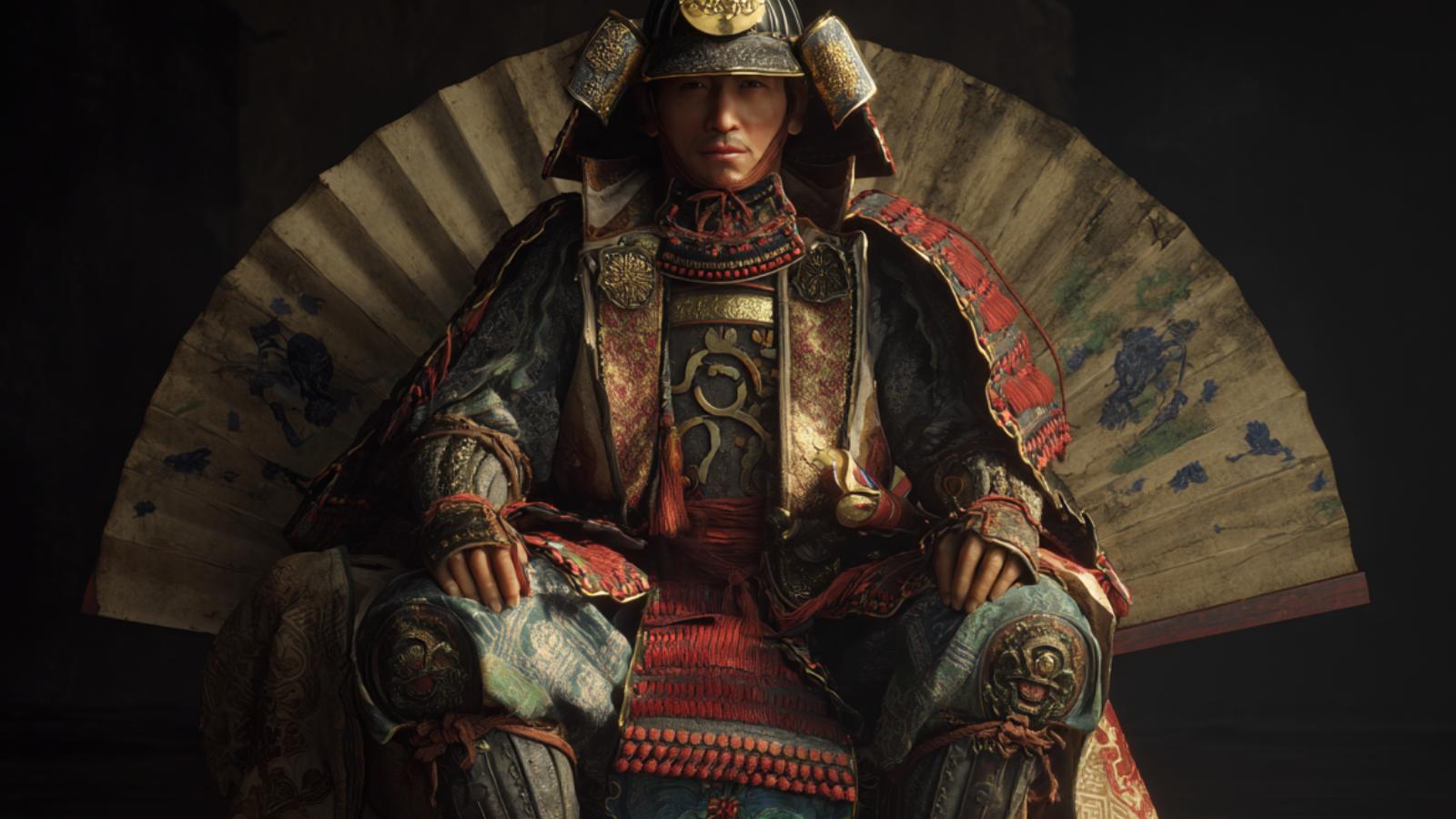
“義を守り、国を治める。”
— Honor must be preserved, and the land must be governed.

| Lead 統率 |
Valor 武勇 |
Intel 知略 |
Pol 政治 |
|---|---|---|---|
| 80 | 75 | 70 | 85 |
| Name (JP) | 佐竹 義宣 |
|---|---|
| Title | Daimyo |
| Clan / Force | Satake Clan |
| Era | 1570 – 1633 |
| Origin | Hitachi |
| Key Battles | |
| Arts | Calligraphy |
About Satake Yoshinobu
Trained in both martial skills and the arts of governance from a young age, he was recognized for his intellect and valor.
His lineage as a Shugo offered him a promising path in the turbulent political landscape of Japan.
Yoshinobu ascended to power during the waning years of the Sengoku period, where he emerged as a capable leader.
He initially served under the powerful Toyotomi Hideyoshi and, during this time, he solidified his reputation for strategic brilliance.
As a result, he was entrusted with various important tasks and began to command a following among local samurai and peasants alike.
Throughout his career, Yoshinobu participated in various military campaigns, particularly in the conflict that followed Toyotomi Hideyoshis death.
His leadership was particularly noted in several skirmishes that emphasized his willingness to engage the enemy directly, showcasing his valor.
While not as famous for his as some of his contemporaries, his tactical mind allowed him to navigate the complexities of the time with remarkable skill.
Yoshinobu was not only a warrior but also a patron of the arts and governance.
Under his rule, the Hitachi province prospered economically.
His commitment to preserving honor and effective leadership left a lasting impact on his vassals, and he is remembered as a capable daimyō who bridged the turbulent years of the Sengoku period and the establishment of the Tokugawa shogunate.








comment