
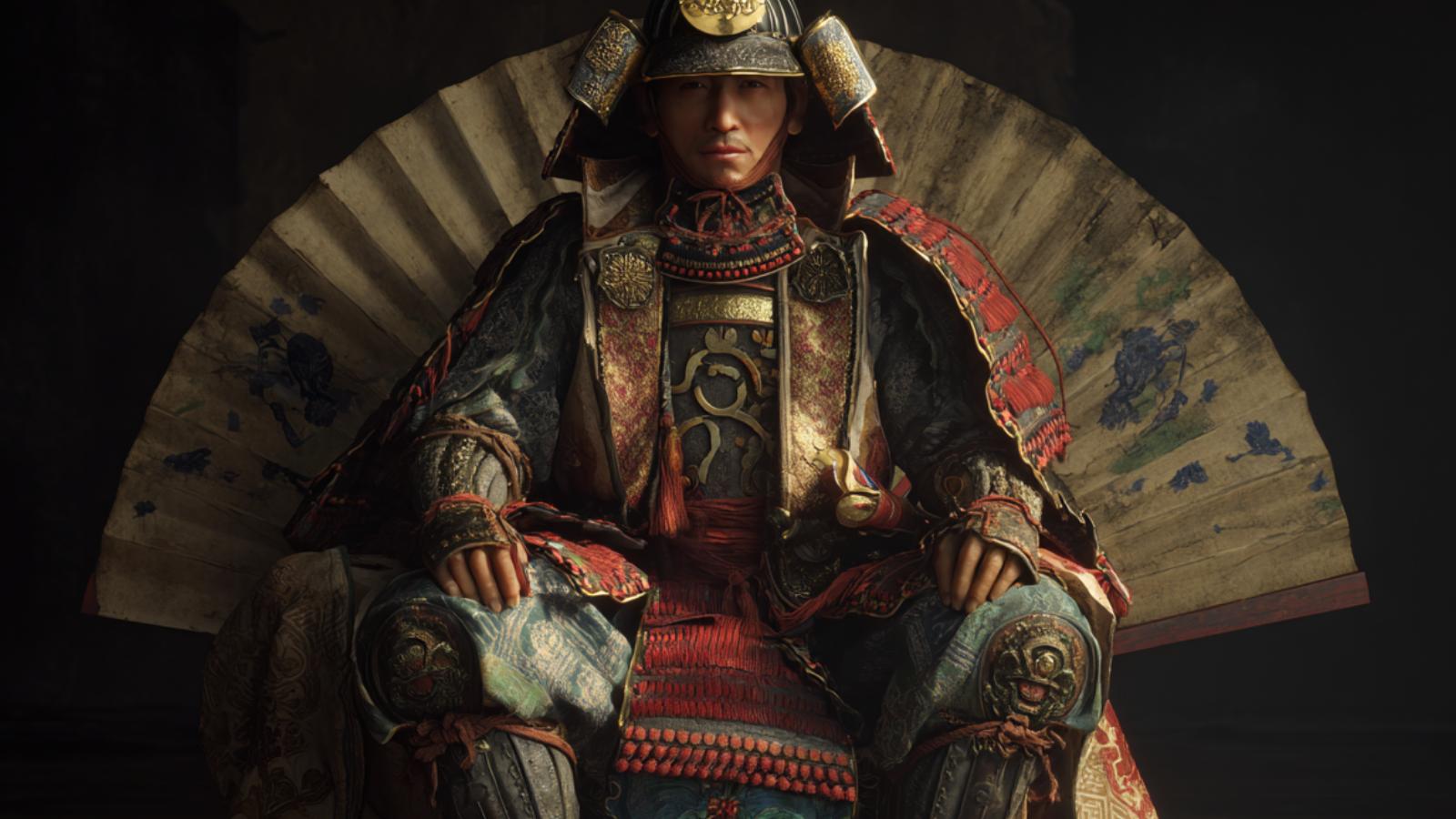
“我が心に従え、そして、決して諦めるな。”
— Follow your heart, and never give up.

| Lead 統率 |
Valor 武勇 |
Intel 知略 |
Pol 政治 |
|---|---|---|---|
| 78 | 67 | 75 | 70 |
| Name (JP) | 蘆名 盛氏 |
|---|---|
| Title | Daimyo |
| Clan / Force | Ashina Clan |
| Era | 1535 – 1600 |
| Origin | Mutsu |
| Key Battles | |
| Arts | Calligraphy |
About Ashina Moriuji
Raised in the midst of political upheaval during the Sengoku period, Moriuji was trained in the ways of warfare and governance from an early age.
His lineage provided him with both the status and responsibility to govern, ensuring his preparation for future conflicts., Moriuji rose to prominence in the late 16th century, as the power of regional daimyos fluctuated dramatically.
As the head of the Ashina clan, he took on the mantle of leadership during a critical era marked by challenges from rival clans and the encroachment of more powerful warlords.
His leadership was characterized by skillful maneuvering of alliances and territorial expansion, although he never reached the towering heights of contemporaries like Oda Nobunaga or Tokugawa Ieyasu., His military career included several engagements with other clans, emphasizing his capable yet cautious approach to warfare.
Notably, Moriuji faced the formidable Date clan and managed to defend his territories through a combination of tactical retreats and strategic negotiations.
Each battle bolstered his reputation as a capable general, although he struggled to maintain the long-term stability of his domain amid rising central powers seeking to unite Japan under a single banner., Ashina Moriujis is marked by his blend of martial skill and political acumen.
While not achieving the legendary status of some of his contemporaries, his contributions to the politics and defenses of Mutsu helped shape the region’s developments during a turbulent period.
After his death in 1600, the Ashina clan faded, but Moriuji’s dedication to his ideals of honor and resilience continue to be remembered as integral traits of the samurai spirit.









comment