
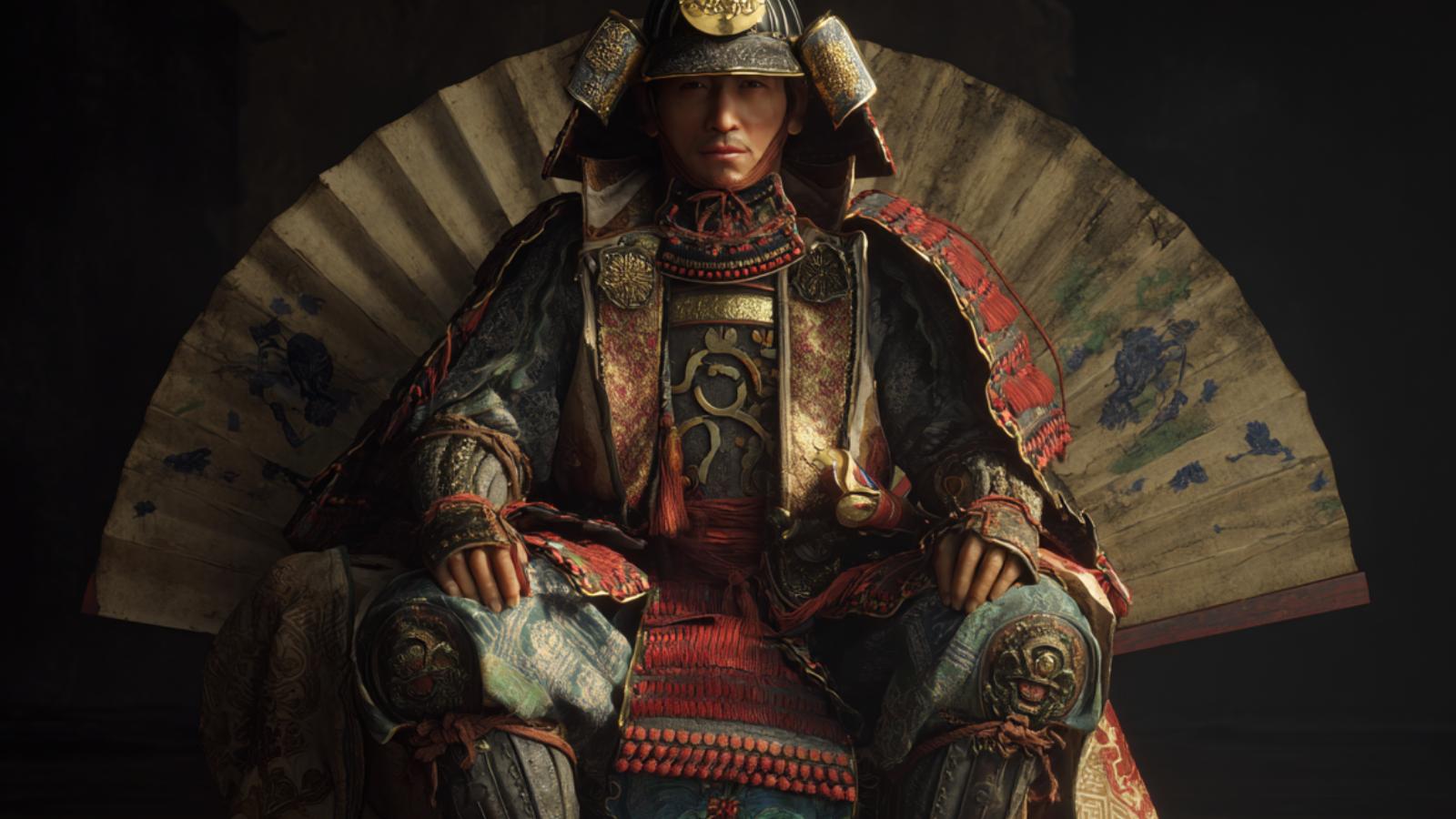
“我が剣は、正義のために振るう。”
— My sword is wielded for justice.

| Lead 統率 |
Valor 武勇 |
Intel 知略 |
Pol 政治 |
|---|---|---|---|
| 75 | 70 | 65 | 60 |
| Name (JP) | 鬼庭 綱元 |
|---|---|
| Title | Daimyo |
| Clan / Force | Unknown |
| Era | 1550 – 1615 |
| Origin | Mutsu |
| Key Battles | |
| Arts | Noh Theatre |
About Oniniwa Tsunamoto
Growing up in a turbulent era marked by constant conflict among rival clans, Tsunamoto demonstrated a fascination with martial arts and tactics from an early age.
His familys affluence allowed him access to education, where he honed his strategic skills and learned about the political landscape of his time.
As Tsunamoto matured, he became a retainer of a local daimyo.
His leadership abilities began to shine during several skirmishes, where his skills in organizing troops and his personal valor in battle earned him respect among his peers.
In 1582, with the fall of the Takeda clan, Tsunamoto seized the opportunity to expand his influence and territory, establishing himself as a significant power player in the region.
He maintained loyalty among his vassals through fair governance and shared ambitions, furthering his reputation as a just and capable leader.
Throughout his career, Tsunamoto participated in several notable as he aligned himself with the unification efforts under Toyotomi Hideyoshi.
His strategic acumen was particularly evident in the Siege of Odawara, where he led his forces with remarkable effectiveness.
Despite some challenges and setbacks, Tsunamoto remained steadfast in his loyalty to Hideyoshi, ultimately gaining command over several key territories in central Japan towards the end of the 16th century.
After the death of Hideyoshi in 1598, Tsunamoto navigated the complex political landscape during the ensuing struggle for power.
Though he eventually joined forces with Tokugawa Ieyasu, the loss at the Siege of Osaka in 1615 marked the end of his prominence.
Tsunamoto’s, however, is remembered today as a testament to nobility in purpose and leadership amidst the chaos of the Warring States period, eming the principles of honor and justice in a time of war.









comment