
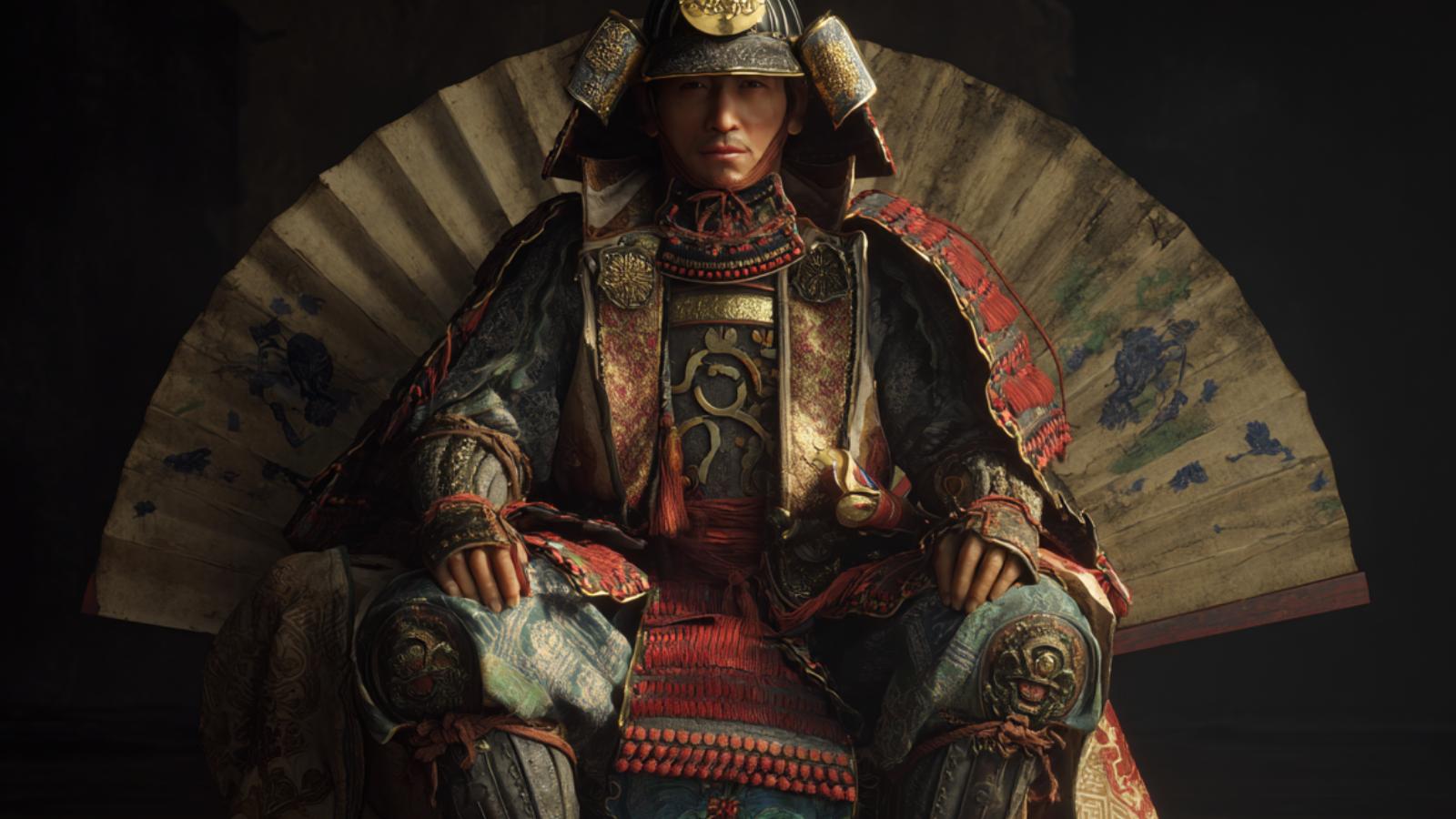
“勇気と知恵で国を守る。”
— Protect the country with courage and wisdom.

| Lead 統率 |
Valor 武勇 |
Intel 知略 |
Pol 政治 |
|---|---|---|---|
| 78 | 82 | 76 | 65 |
| Name (JP) | 相良 義陽 |
|---|---|
| Title | Daimyo |
| Clan / Force | Sagara Clan |
| Era | 1540 – 1612 |
| Origin | Satsuma |
| Key Battles | |
| Arts | Noh Theatre |
About Sagara Yoshihi
Growing up amidst the chaos of the Sengoku period, he witnessed the struggles and power shifts that defined his era.
Guided by a strong sense of duty and the traditional samurai code, Yoshihi cultivated a passion for martial arts and military strategy from a young age.
He was particularly influenced by the teachings of his father, who was a seasoned warrior himself.
Yoshihi became an influential figure in Satsuma politics as a capable leader, earning respect from his peers and subjects alike.
By leveraging alliances and engaging in strategic marriages, he solidified his power base, ultimately earning the rank of daimyo.
His leadership was characterized by fostering loyalty among his retainers and ensuring the prosperity of his lands through various reforms.
His valor in battle earned him a reputation as a great warrior, and he frequently led his troops into conflict, demonstrating both courage and tactical prowess on the battlefield.
During his career, Sagara Yoshihi played pivotal roles in various that shaped the regions political landscape.
He participated in numerous skirmishes against rival clans, where his strategic acumen led to several crucial victories.
Known for both his ferocity in combat and his ability to inspire troops, Yoshihi commanded respect from all who fought alongside him.
His notable contributions were essential for Satsumas eventual dominance over neighboring provinces.
As conflicts intensified, he adapted his strategies, incorporating innovative techniques that allowed him to outmaneuver his enemies.
Sagara Yoshihis impact on the Satsuma province and the broader context of the Sengoku period cannot be overstated.
His endures in the traditions he upheld and the loyalty he inspired among his followers.
Though he passed away in 1612, his influence lived on through his descendants and the prosperity of his domain.
Many remember him as a legitimate leader who balanced valor with intelligence, ensuring his place in the annals of samurai history.
His belief in the power of courage and wisdom continues to resonate across generations, eming the spirit of the samurai way.








comment