
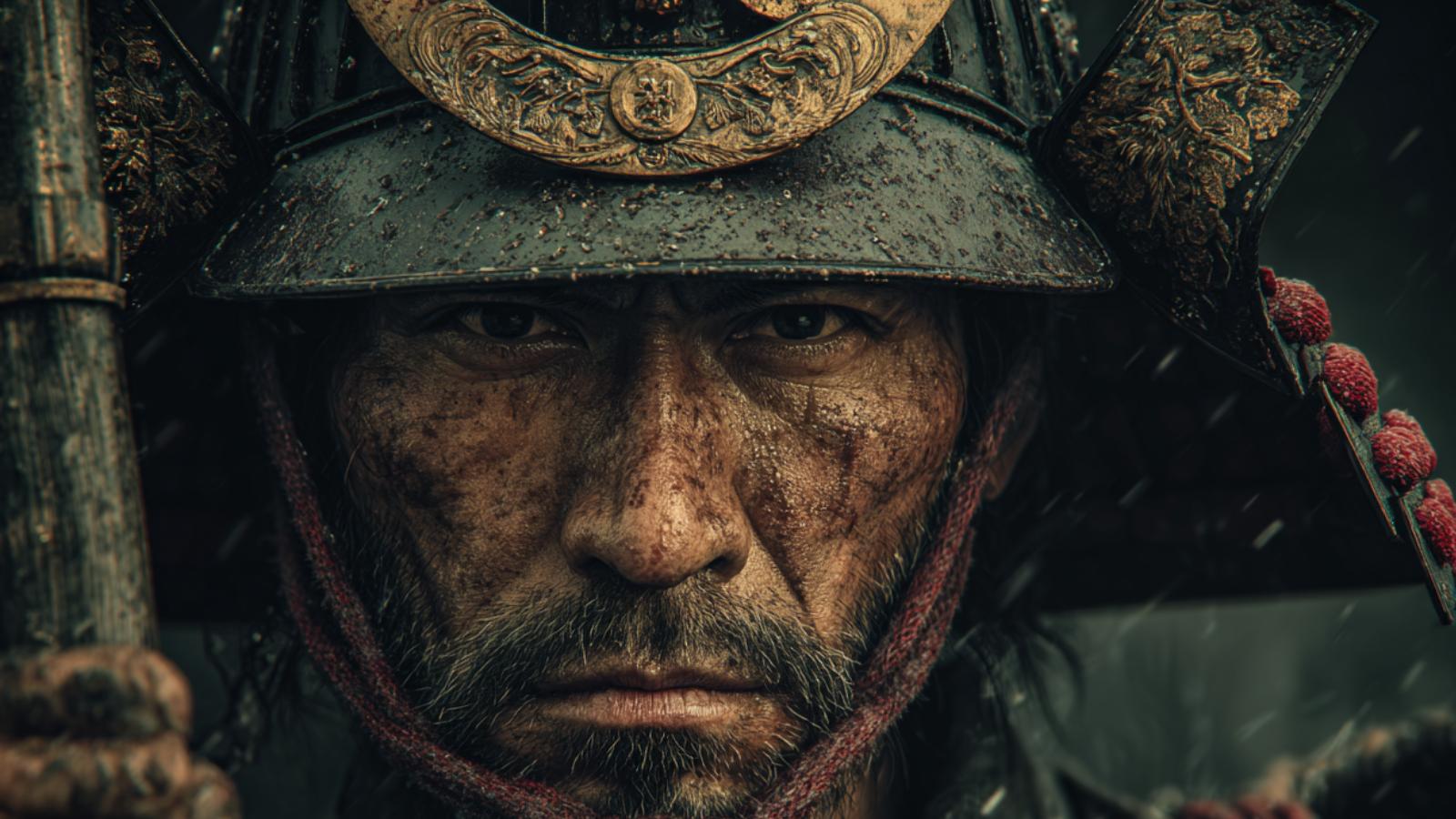
“刀は心の鏡である。”
— The sword is a mirror of the heart.

| Lead 統率 |
Valor 武勇 |
Intel 知略 |
Pol 政治 |
|---|---|---|---|
| 73 | 68 | 70 | 65 |
| Name (JP) | 伊東 義祐 |
|---|---|
| Title | Samurai |
| Clan / Force | Unknown |
| Era | 1522 – 1560 |
| Origin | Satsuma |
| Key Battles | |
| Arts | Martial Arts |
About Ito Yoshisuke
From a young age, he was trained in the ways of the sword and strategy.
His lineage provided him with a solid foundation to pursue a career in the tumultuous times of the Sengoku period, where samurai were constantly vying for power and territory.
Yoshisuke started as a retainer under the prominent regional lord, but as conflicts rose, he began to establish his reputation as a capable warrior.
Through his tactical insights and combative abilities, he earned the respect of both his peers and superiors.
The power struggles of his time required individuals not just to be warriors but also adept in governance and diplomacy, areas where Yoshisuke showed promise, albeit initially from a background that didn’t grant him the highest ranks.
Throughout his military career, Yoshisuke fought in several critical engagements.
His notable contributions helped consolidate the position of his lord.
Although he was not the most famous general of his time, his actions on the battlefield demonstrated a blend of valor and strategic insight, showcasing his ability to adapt to changing circumstances of warfare.
He was committed to the protection of his territory and the prosperity of his clan.
Though Yoshisukes life was cut short in 1560 at the young age of 38, his as a respected samurai endures in local folklore.
His philosophy, reflecting that the sword is a mirror of the heart, illustrates a belief in the ethical component of warfare.
He left behind a lineage of warriors who continued to uphold his values in later conflicts during Japan’s history.
His story is a reminder of the numerous unsung heroes of the Sengoku era who played crucial roles in shaping Japans feudal landscape.









comment