
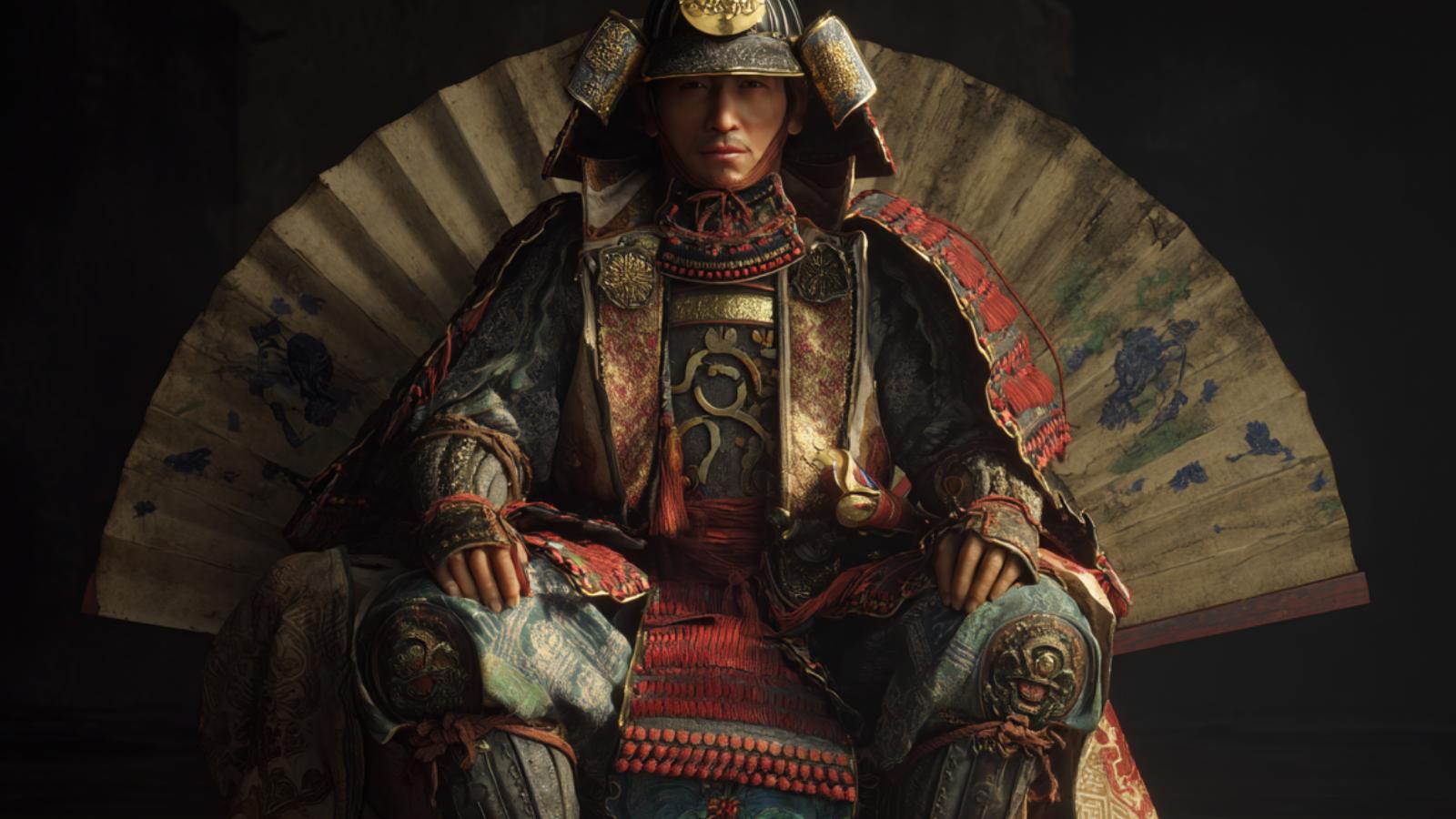
“君の行く道が、道となり我が道となる。”
— The path you walk will become my path as well.

| Lead 統率 |
Valor 武勇 |
Intel 知略 |
Pol 政治 |
|---|---|---|---|
| 75 | 70 | 80 | 75 |
| Name (JP) | 有馬 晴信 |
|---|---|
| Title | Daimyo |
| Clan / Force | Arima Clan |
| Era | 1560 – 1620 |
| Origin | Bungo |
| Key Battles | |
| Arts | Ikebana |
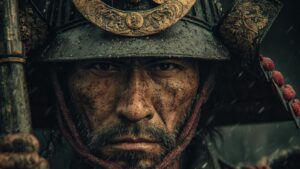
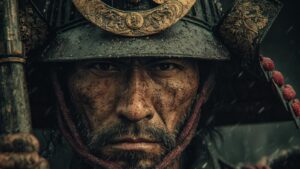
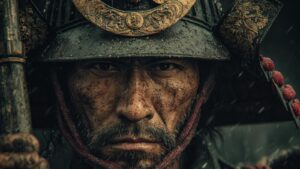
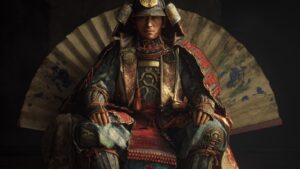
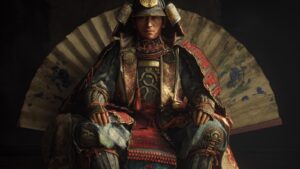
About Arima Harunobu
His family belonged to a respected line of samurai that had long held power in the area.
From a young age, Harunobu was taught the principles of bushido, instilling in him the values of loyalty, honor, and combat.
This foundation would serve him well as he grew into a formidable leader.
Following the tumultuous years of the Sengoku period, Harunobu rose to prominence, skillfully navigating the complex political landscape.
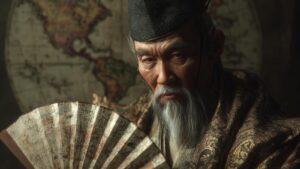
His intelligence in diplomacy earned him the respect of both allies and rivals, allowing him to expand his influence throughout Bungo.
Amidst the chaos, Harunobu distinguished himself through strategic alliances, marrying into other noble families, strengthening his position, and elevating his status among the daimyos.
Although primarily a political figure, Harunobu showcased his valor on the battlefield during several key confrontations, displaying effective leadership and personal bravery.
He led his troops with resolve, often employing cunning tactics that showcased his intelligence in warfare.
His ability to inspire loyalty among his men and his willingness to lead from the front solidified his reputation as a capable general during this era of constant strife.
Arima Harunobu’s lives on as a notable figure in the history of Bungo province.
Renowned for his governance and diplomatic efforts, he set the stage for future generations of leaders.
His contributions to the cultural and political tapestry of samurai traditions are remembered, especially his patronage of the arts, notably Ikebana, which flourished under his guidance.
Harunobu’s life and leadership continue to be a subject of study for those interested in the complexities of feudal Japan and the role of samurai in shaping history.
comment