
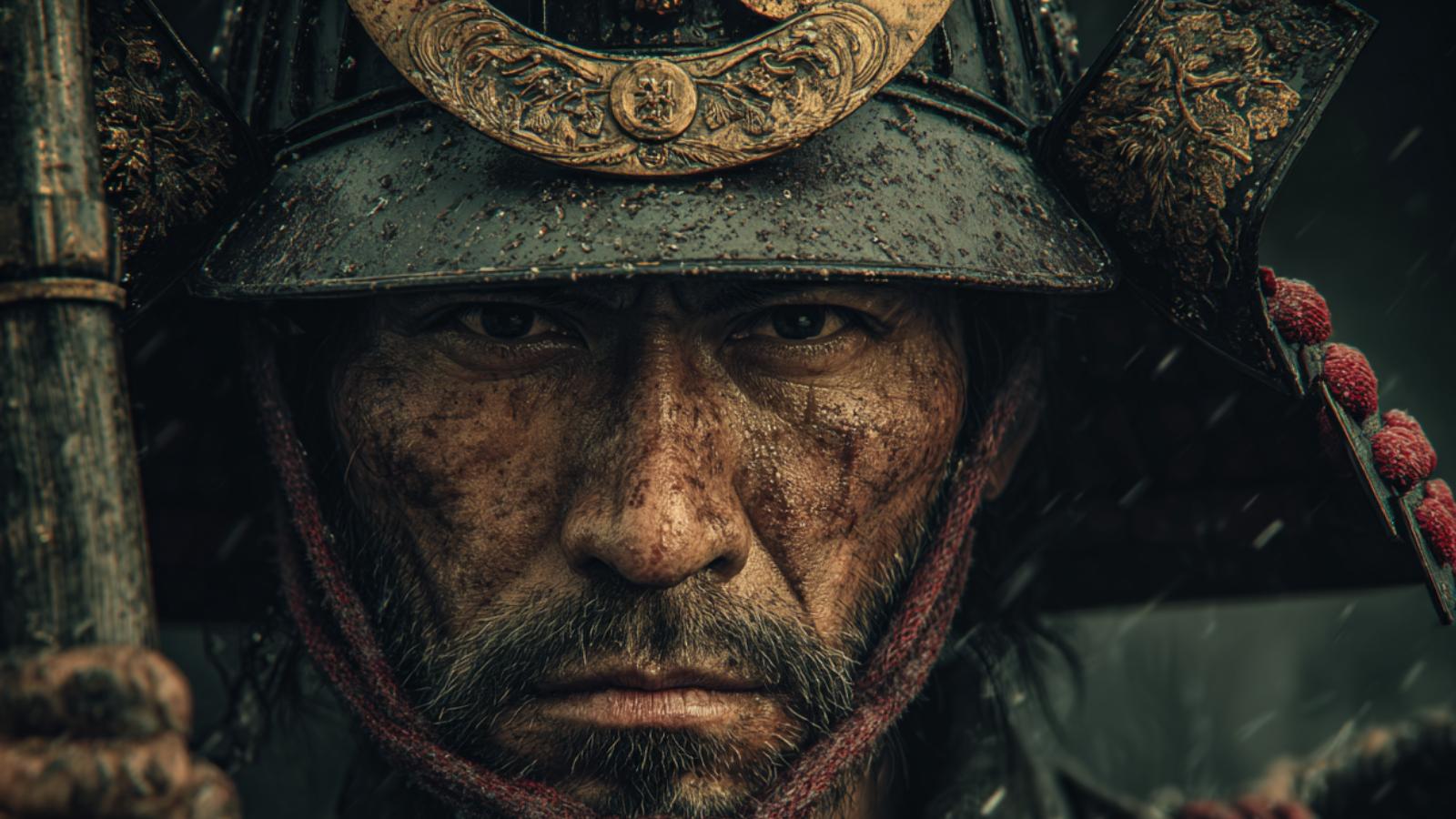
“忠誠は力となる。”
— Loyalty becomes strength.

| Lead 統率 |
Valor 武勇 |
Intel 知略 |
Pol 政治 |
|---|---|---|---|
| 70 | 68 | 75 | 65 |
| Name (JP) | 新納 忠元 |
|---|---|
| Title | Sōgō |
| Clan / Force | Unknown |
| Era | 1520 – 1582 |
| Origin | Bingo |
| Key Battles | |
| Arts | Noh Theatre |
About Niiro Tadamoto
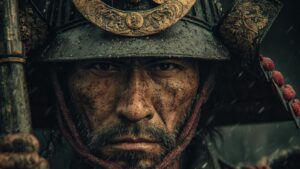
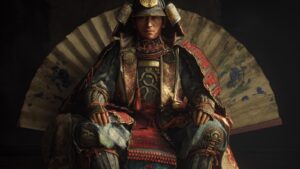
Coming from a family of shugo, Tadamoto was immersed in the samurai culture from a young age.
His family was recognized for their loyalty and military service, traits that Tadamoto would carry throughout his life.
As Tadamoto grew, he aligned himself with the powerful Mori clan, serving under Mori Motonari, one of the most renowned warlords during this era.
Tadamoto quickly gained recognition for his bravery and tactical acumen, earning a position of respect among the ranks.
His loyalty proved invaluable during numerous campaigns, helping to secure Mori’s expansions throughout the west.
His ability to navigate the complexities of clan politics also facilitated his within the clan, showcasing his prowess in governance alongside military matters.
Throughout his career, Tadamoto found himself embroiled in several key that shaped the region.
Notable among these was the Siege of Takamatsu Castle, where his leadership played a crucial role in the Mori clans strategy.
His involvement in various campaigns against rival clans, including the Otomo, positioned him as an essential figure within the Mori military hierarchy.
Despite facing formidable opponents, he gained a reputation for his valiant efforts on the battlefield, although his personal combat abilities never matched those of some of his contemporaries.
His knack for strategy often made up for any shortfall in valor, allowing him to emerge from conflicts with a modicum of fame.
Niiro Tadamotos is characterized by his unwavering loyalty and strategic contributions to the Mori clan.
Though he may not be as celebrated as some contemporaries, his influence in shaping the clan’s direction during a tumultuous time cannot be understated.
The values of loyalty and service he embodied resonated through generations, and his contributions are remembered as vital components of the Mori clan’s success in the Sengoku period.
His life and character echo the persistent ideals of the samurai spirit, inspiring future generations of warriors.
comment