
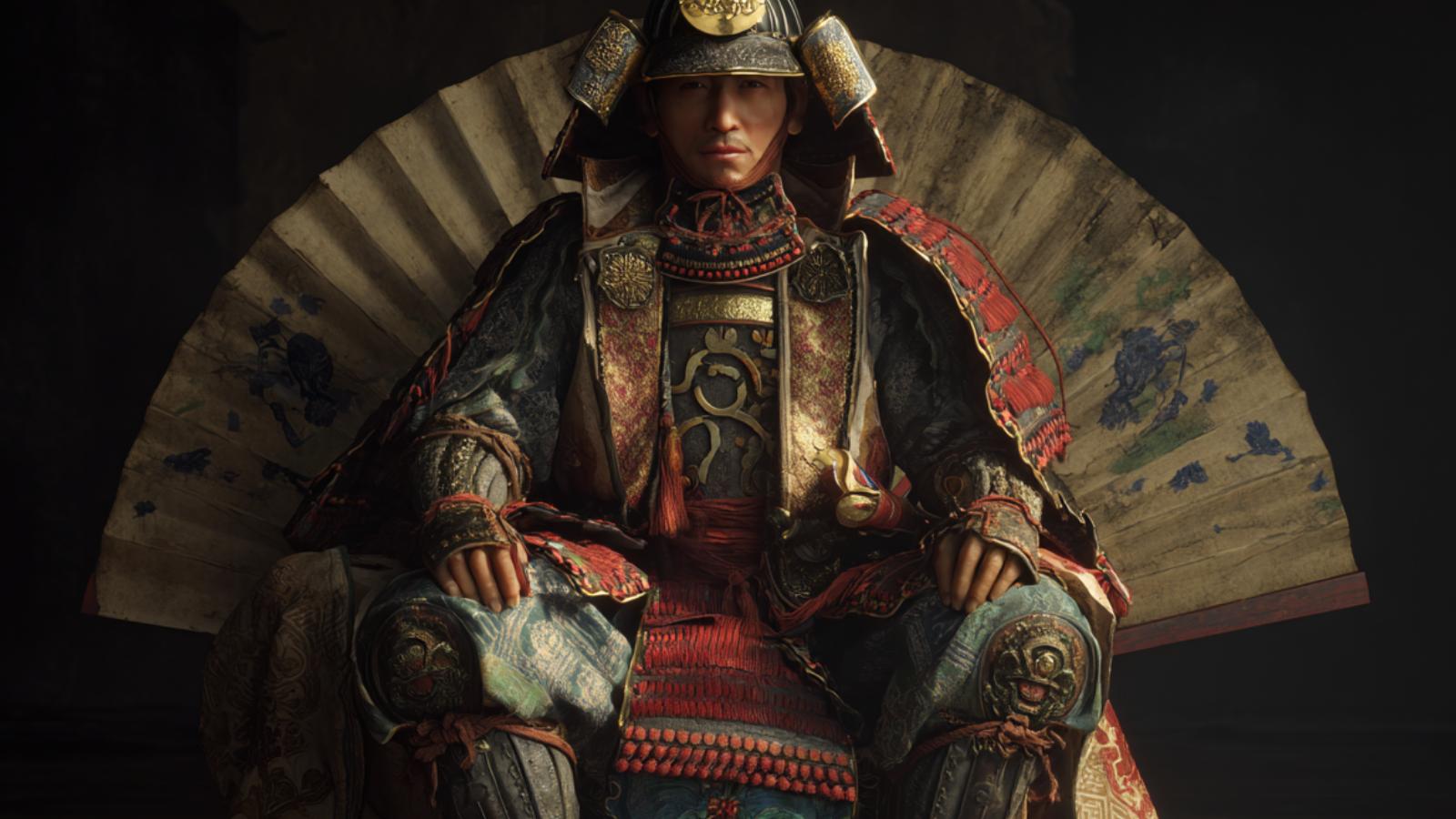
“人は運命を自ら選ぶことができる。”
— One can choose their own destiny.

| Lead 統率 |
Valor 武勇 |
Intel 知略 |
Pol 政治 |
|---|---|---|---|
| 75 | 70 | 80 | 65 |
| Name (JP) | 島津 家久 |
|---|---|
| Title | Daimyo |
| Clan / Force | Shimazu Clan |
| Era | 1534 – 1571 |
| Origin | Satsuma |
| Key Battles | |
| Arts | Noh Theater |
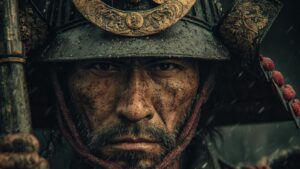
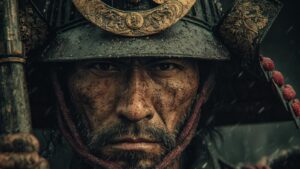
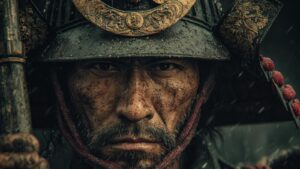
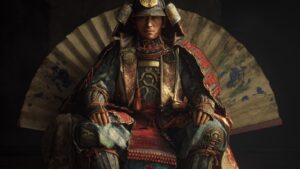
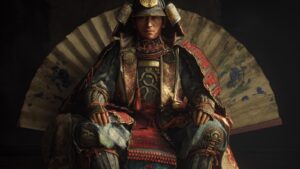
About Shimazu Iehisa
He was the third son of Shimazu Yoshihiro, who was a significant lord of the clan and had established a strong reputation in the region.
Despite being born into a warrior family, Iehisas was characterized by the constant strife of the Sengoku period, where the clan was involved in numerous conflicts against rival clans.
His upbringing instilled in him the values of bushido and the importance of loyalty to ones clan.
Iehisas to power began in the mid-16th century when he participated in various campaigns that broadened the territories controlled by the Shimazu clan.
He quickly gained a reputation as a capable and bold leader during confrontations, particularly against the powerful Minamoto clan.
His strategic mind became evident in the way he managed his forces, employing creative tactics that surp d his enemies.
In 1568, after demonstrating his ability in battle and leadership, he was formally designated as the head of the clan, succeeding his elder brothers.
Throughout his tenure as the daimyo, Iehisa was involved in several notable that showcased his military capabilities.
One such encounter was the Siege of Chijō Island, where he effectively captured the island from the opposing forces.
His ability to mobilize and inspire his troops was key to his clans successes, although he faced significant challenges, such as the emergence of Toyotomi Hideyoshi as a unifying force in Japan.
During his campaigns, Iehisa often emphasized the importance of welfare for his soldiers, knowing that a motivated army was a formidable opponent.
Shimazu Iehisa passed away in 1571, yet he left a lasting in the Satsuma region.
His leadership contributed significantly to the Shimazu clan’s strength during the turbulent Sengoku period, and his tactics influenced not only his descendants but also other daimyos of the era.
The values and strategies he championed would continue to resonate in Japanese military tradition.
The Shimazu clan would go on to play a pivotal role in the unification of Japan under the Tokugawa shogunate, and Iehisa’s contributions were a critical part of that historical tapestry.
comment