
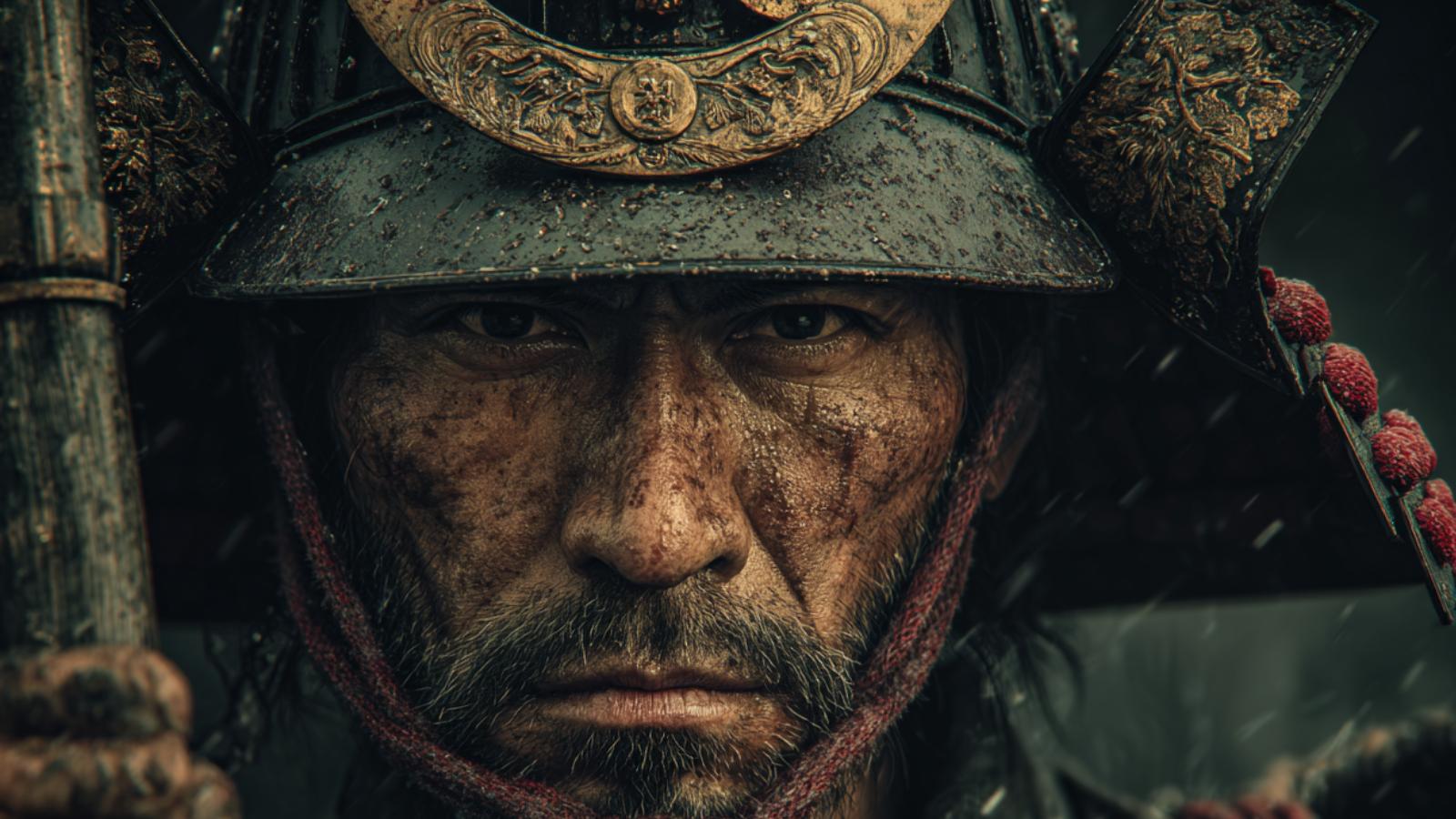
“刀剣は心の鏡なり。”
— A sword is the mirror of the heart.

| Lead 統率 |
Valor 武勇 |
Intel 知略 |
Pol 政治 |
|---|---|---|---|
| 65 | 60 | 70 | 55 |
| Name (JP) | 吉良 親実 |
|---|---|
| Title | Samurai |
| Clan / Force | Kira Clan |
| Era | 1641 – 1702 |
| Origin | Echigo |
| Key Battles | |
| Arts | Calligraphy |
About Kira Chikazane
Not much is known about his, but like many samurai of his time, he received training in martial arts and strategy.
His formative years were shaped by the rigid samurai code of conduct, which emphasized loyalty and honor, principles that would later define his contentious ., ,content:Kira rose through the ranks of the samurai class during the Edo period, slowly earning a reputation for his skills in governance and diplomacy.
Through political maneuvers and alliances, he secured a position as a retainer to the powerful, high-ranking samurai.
However, despite his ascent, he was often criticized for being more politically savvy than valorous in battle., ,content:While Kira did not fight in any major that would be considered legendary, his name became infamous due to the events surrounding the 47 Ronin.
He was the central figure involved in their quest for vengeance against him, which stemmed from a personal offense caused by his treatment of their lord.
This incident became a legendary moment in samurai history, often romanticized in literature and film, leaving Kiras entwined with that of the ronin., ,content:Kira Chikazanes is a complex one; he is often viewed as an antagonist in the tale of the 47 Ronin.
His actions led to discussions about justice, loyalty, and moral ambiguity within samurai culture.
Over time, he has been portrayed variously as a villainous figure in popular culture, and his story serves as a cautionary tale reflecting the samurai ethos.
Kira’s endures as a symbol of the conflicts between personal honor and the rigid demands of societal law.









comment