
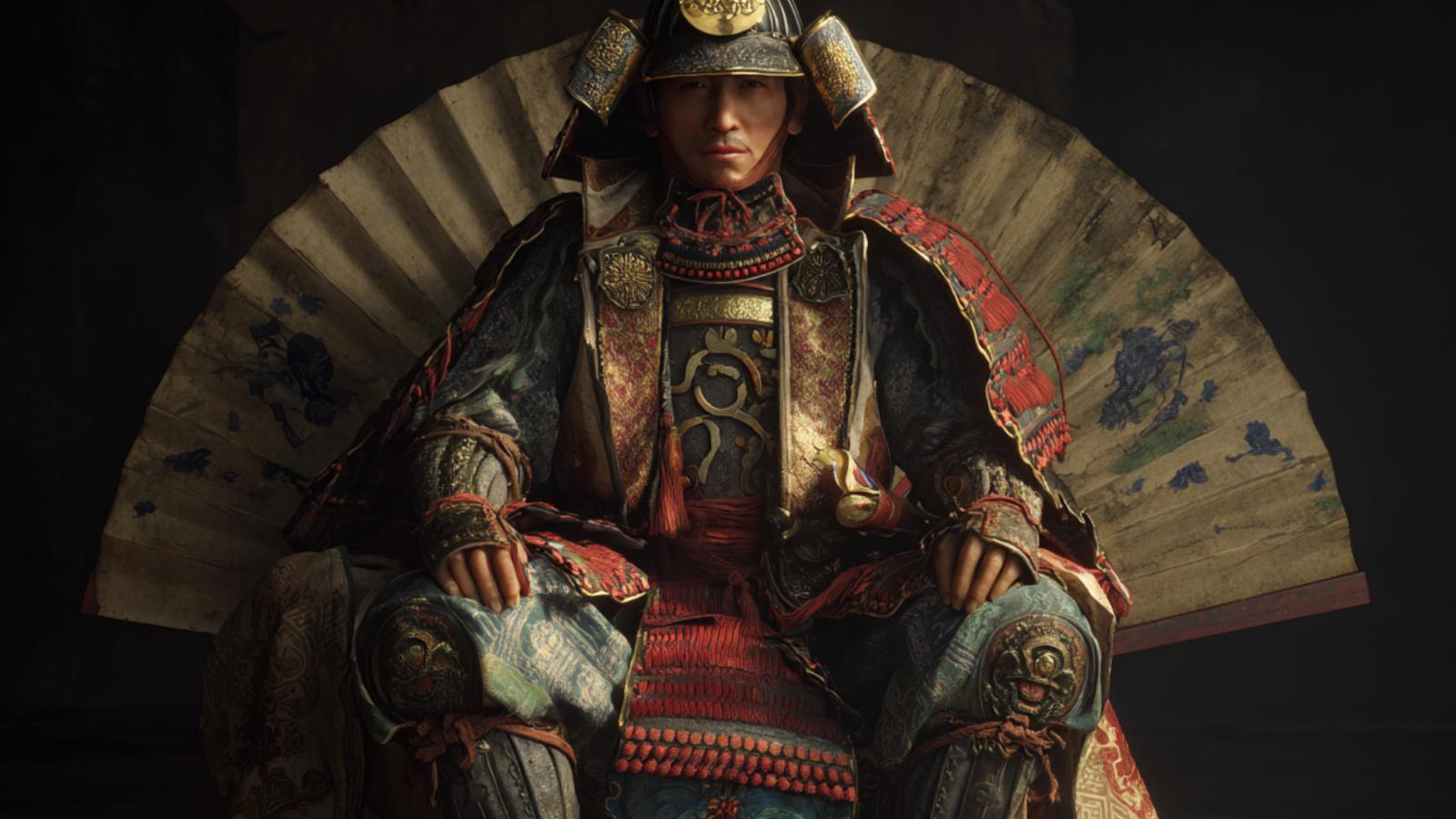
“武士の道は忠義にある。”
— The way of the samurai lies in loyalty.

| Lead 統率 |
Valor 武勇 |
Intel 知略 |
Pol 政治 |
|---|---|---|---|
| 75 | 70 | 80 | 65 |
| Name (JP) | 一条 兼定 |
|---|---|
| Title | Daimyo |
| Clan / Force | Fujiwara Clan |
| Era | 1540 – 1592 |
| Origin | Syouraku |
| Key Battles | |
| Arts | Calligraphy |
About Ichijo Kanesada
Belonging to a family of Shugo, he was exposed to the ways of the samurai from a young age.
His noble lineage provided him with the skills necessary for leadership and martial arts.
Educated in strategy and politics, he demonstrated brilliance early on, which would lay the groundwork for his later achievements.
Kanesadas career began when he served under the powerful daimyo of his region.
His ability to inspire troops and develop innovative strategies allowed him to rapidly through the ranks.
He became known for his decisiveness in battle and his capacity for diplomacy.
By aligning himself with formidable allies, he was able to carve out a respectable domain, gaining the respect of his peers and their loyalty in return.
During his time as a samurai, Kanesada participated in several key conflicts of the Sengoku period, including notable against rival clans.
His leadership during these skirmishes garnered him the reputation of a capable general.
Notably, he played a crucial role in the successful siege of a fortified castle, securing a strategic advantage for his lord and ensuring his clans position in the ever-shifting alliances of the era.
Despite his valor in personal combat, Kanesada was more revered for his strategic mind, often being the mastermind behind many successful military campaigns.
Ichijo Kanesada passed away in 1592, leaving behind a of loyalty and strategic prowess.
His contributions to the samurai culture and the eventual unification of Japan were significant, as he set an example of what it meant to serve ones lord with utmost dedication.
Remnants of his influence can still be seen in samurai teachings that emphasize loyalty and strategy.
Today, Kanesada is remembered not just as a warrior but as a figure who embodied the virtues of the samurai code.









comment