
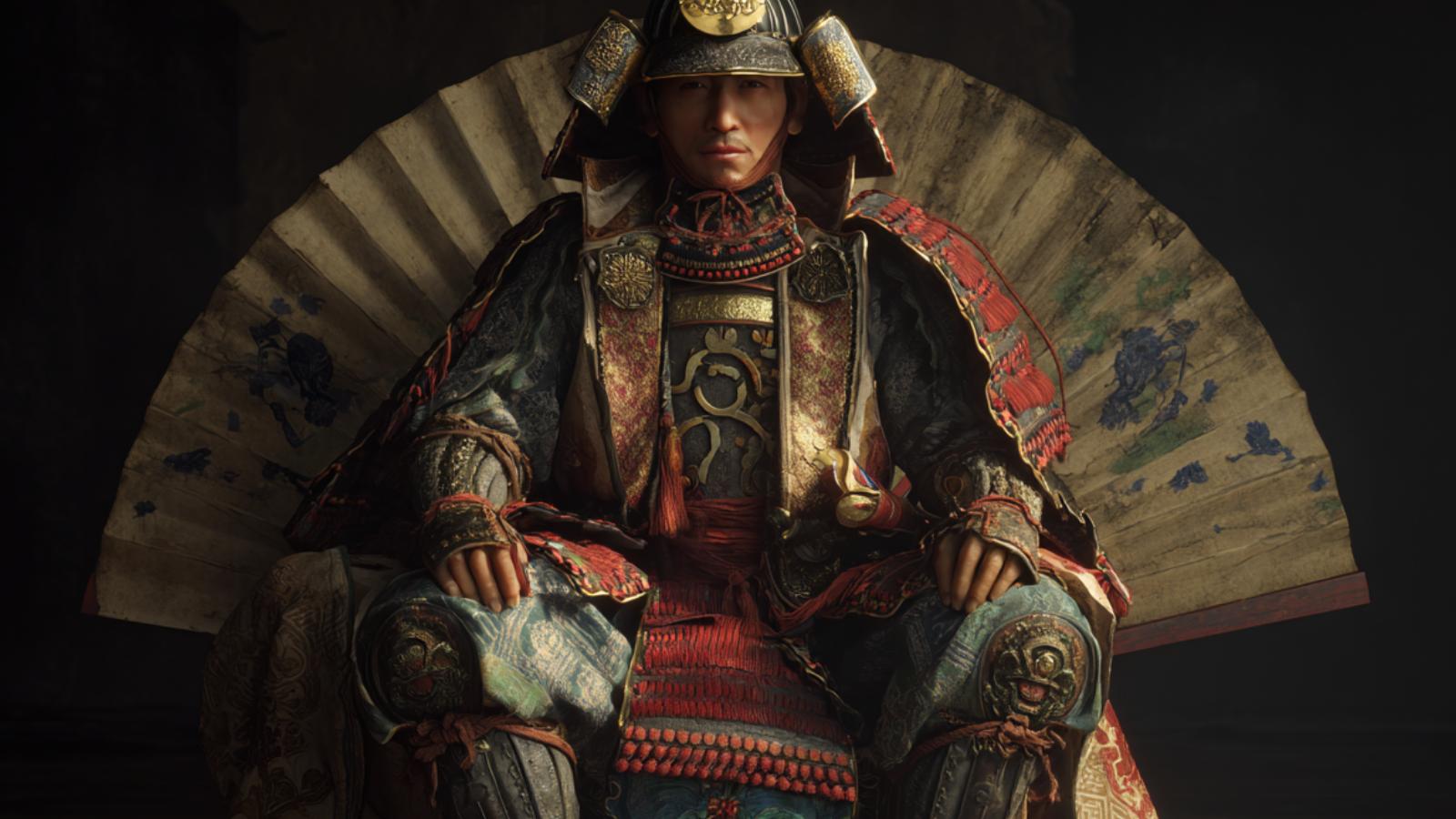
“武士の道は、常に正直であることにある。”
— The way of the warrior lies in always being honest.

| Lead 統率 |
Valor 武勇 |
Intel 知略 |
Pol 政治 |
|---|---|---|---|
| 72 | 68 | 75 | 65 |
| Name (JP) | 村上 武吉 |
|---|---|
| Title | Daimyo |
| Clan / Force | Unknown |
| Era | 1540 – 1592 |
| Origin | Mutsu |
| Key Battles | |
| Arts | Ikebana |
About Murakami Takeyoshi
His lineage as a shugo positioned him well within the feudal system, and from a young age, he was trained in the martial arts and the cultural practices of the samurai, including Ikebana.
This upbringing not only bestowed upon him combat skills but also a strong appreciation for aesthetics and governance.
As Takeyoshi grew, he applied his talents in battle and politics to carve out a reputation for himself.
The chaos of the Sengoku period provided ample opportunities for ambitious leaders, and Takeyoshi showcased his capabilities during regional conflicts.
As he commanded troops, his leadership became evident, earning him respect from both allies and rivals alike.
By the late 1580s, he was recognized as a competent daimyo, managing lands that were critical to controlling the movement through the north-east regions of Japan.
Throughout his military career, Takeyoshi fought in numerous engagements against various daimyos seeking dominance in Mutsu and surrounding areas.
His strategic intellect allowed him to often outmaneuver enemies, leading to a series of victories that solidified his control over his domain.
One notable encounter was the Battle of Kizaki in 1581, where his strategic prowess turned the tide in favor of his troops, showcasing his ability to lead effectively under pressure.
Despite facing many challenges, including skirmishes against the expanding Tokugawa and Uesugi clans, Murakami maintained his stature and persistently defended his territory.
Murakami Takeyoshis extends beyond his military exploits; his contributions to the culture of the samurai in Mutsu are notable, particularly his emphasis on ethical truths and a balanced approach to governance.
Following his death in 1592, he was remembered not just as a warrior but as a lord who understood the importance of culture and governance.
His impact on the region would continue to influence future generations of samurai who sought to emulate his blend of strength and integrity.









comment