
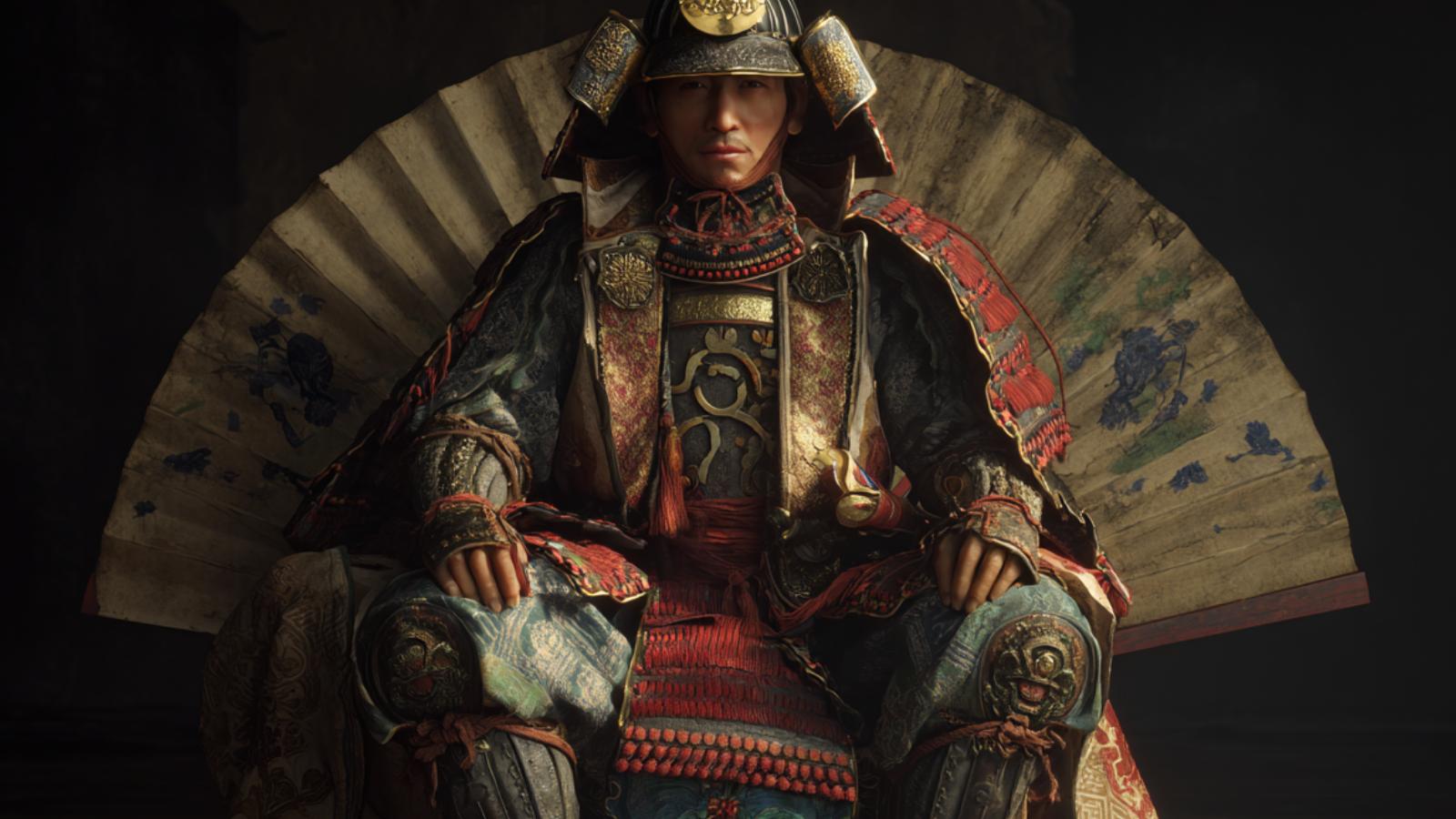
“無理をするという事は忍耐力を鍛える事だ。”
— To push oneself is to strengthen one’s endurance.

| Lead 統率 |
Valor 武勇 |
Intel 知略 |
Pol 政治 |
|---|---|---|---|
| 70 | 65 | 75 | 60 |
| Name (JP) | 小早川 秀包 |
|---|---|
| Title | Daimyo |
| Clan / Force | Mōri Clan |
| Era | 1570 – 1602 |
| Origin | Chikuzen |
| Key Battles | |
| Arts | Noh Theatre |
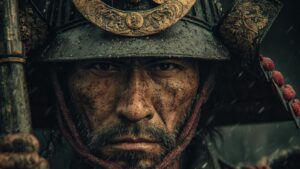
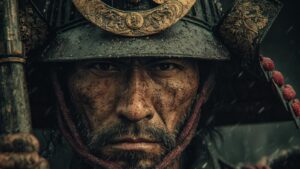
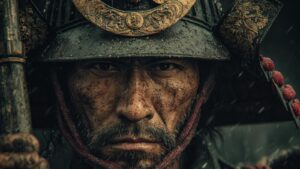
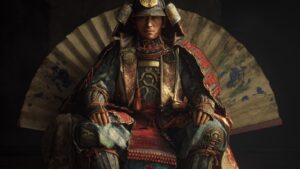
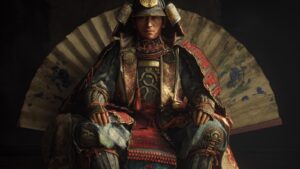
About Kobayakawa Hidekane
Little is known about his early childhood, but he would eventually through the ranks due to his courage and determination.
His background instilled a strong work ethic, which he carried throughout his military career.
As a young man, Hidekane became a retainer for the notable Tsutsui Junshō, where he quickly established his reputation as a capable leader and warrior.
His skills caught the attention of several prominent figures in the region, and he eventually earned the of daimyo.
His coincided with the fragmentation and chaos of the Warring States period, allowing him to carve out his own territory and influence.
Hidekane fought in numerous, demonstrating his keen strategic insight and bravery on the battlefield.
He often put his life at risk, earning the respect of his troops.
Although he was never a primary commander in major conflicts like the Battle of Sekigahara, his contributions in smaller skirmishes and as a supporter of powerful allies helped him maintain a significant stronghold in the region.
His intimate knowledge of terrain made his forces formidable despite their relatively small size.
Kobayakawa Hidekanes is one of perseverance and tactical brilliance.
Though not as renowned as some contemporaries, his impact on the local politics of Chikuzen province was noteworthy.
After his death in 1602, he was remembered for his commitment to the values of warfare and governance, and his life stood as a testament to the achievements of lesser-known figures of the Warring States period.
comment