
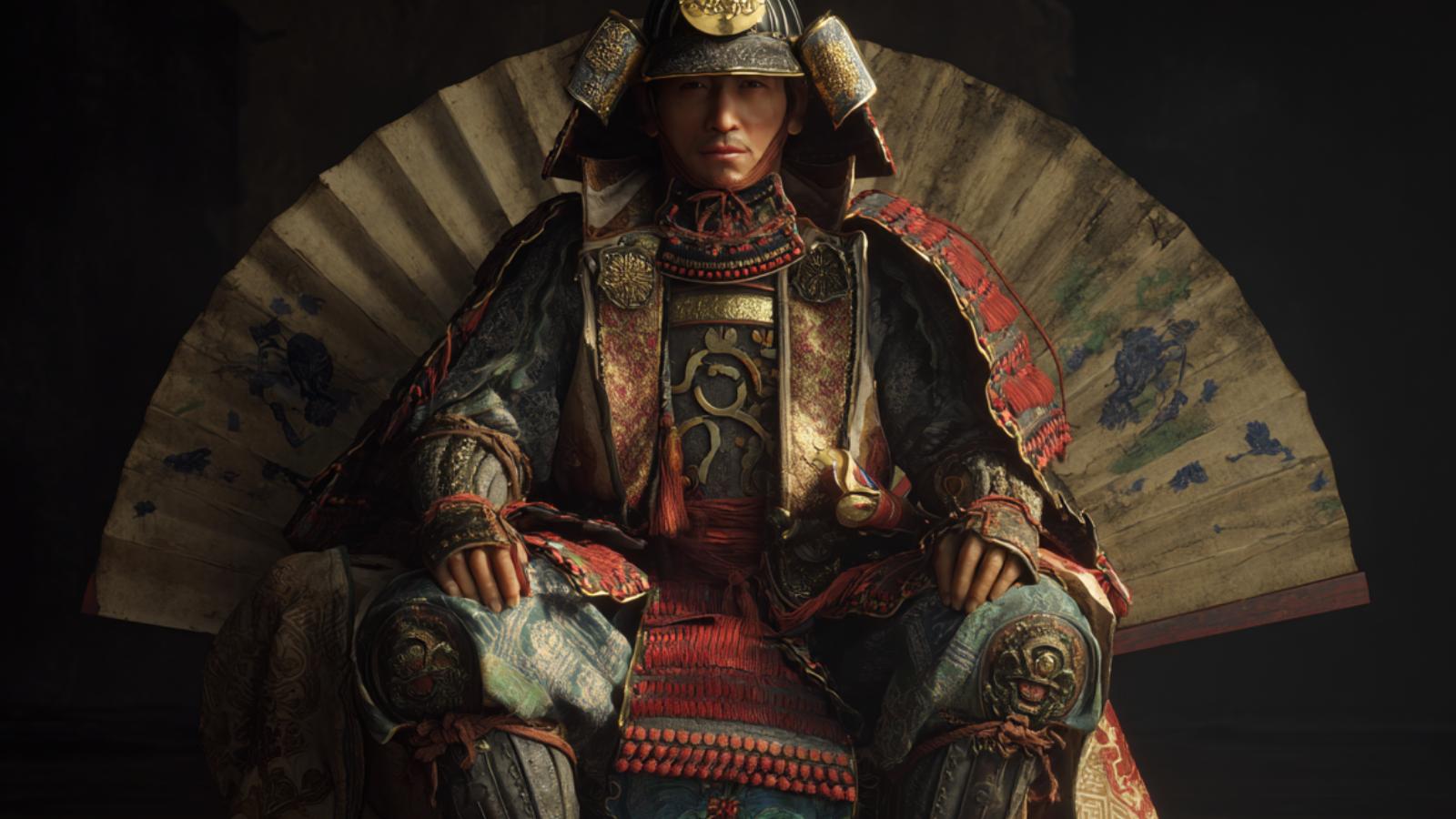
“勝利は強者だけのものではない。”
— Victory does not belong only to the strong.

| Lead 統率 |
Valor 武勇 |
Intel 知略 |
Pol 政治 |
|---|---|---|---|
| 75 | 68 | 80 | 70 |
| Name (JP) | 尼子 晴久 |
|---|---|
| Title | Daimyo |
| Clan / Force | Amago Clan |
| Era | 1520 – 1570 |
| Origin | Izumo |
| Key Battles | |
| Arts | Noh Theatre |
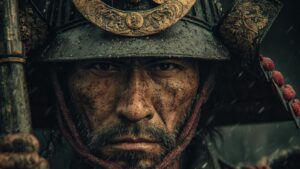
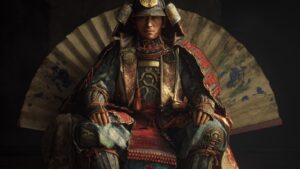
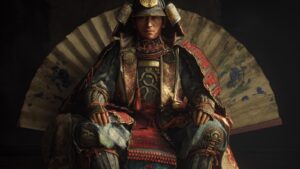
About Amago Haruhisa
His upbringing was steeped in the traditions of samurai culture, and he was influenced by the constant power struggles of the Sengoku period.
His family had faced numerous challenges, including attacks from rival clans, shaping Haruhisas and future ambitions.
Haruhisa ascended to prominence in the mid-16th century after a series of conflicts that weakened his clan.
He proved to be a capable leader, managing to consolidate his power and rebuild the clans influence in the region.
His strategic prowess in the battlefield earned him respect, and he forged alliances that expanded his territories, notably during his conflict with the Mori clan.
Haruhisas military prowess was displayed in several confrontations, notably at the of Kizuki and Uenka.
Although he was not as renowned as some of his contemporaries, his strategies often turned the tide in challenging situations.
His ability to rally his troops and lead them courageously in battle demonstrated his leadership qualities, while his combat capability played a crucial role in defending his domain.
Despite facing many adversities, Amago Haruhisa left a of resilience and tenacity.
His impact on the Sengoku era was marked by his efforts to maintain the Amago clans existence against overwhelming odds.
His contributions to governance and diplomacy paved the way for future leaders in the region and influenced the politics of Izumo long after his death in 1570.
comment