
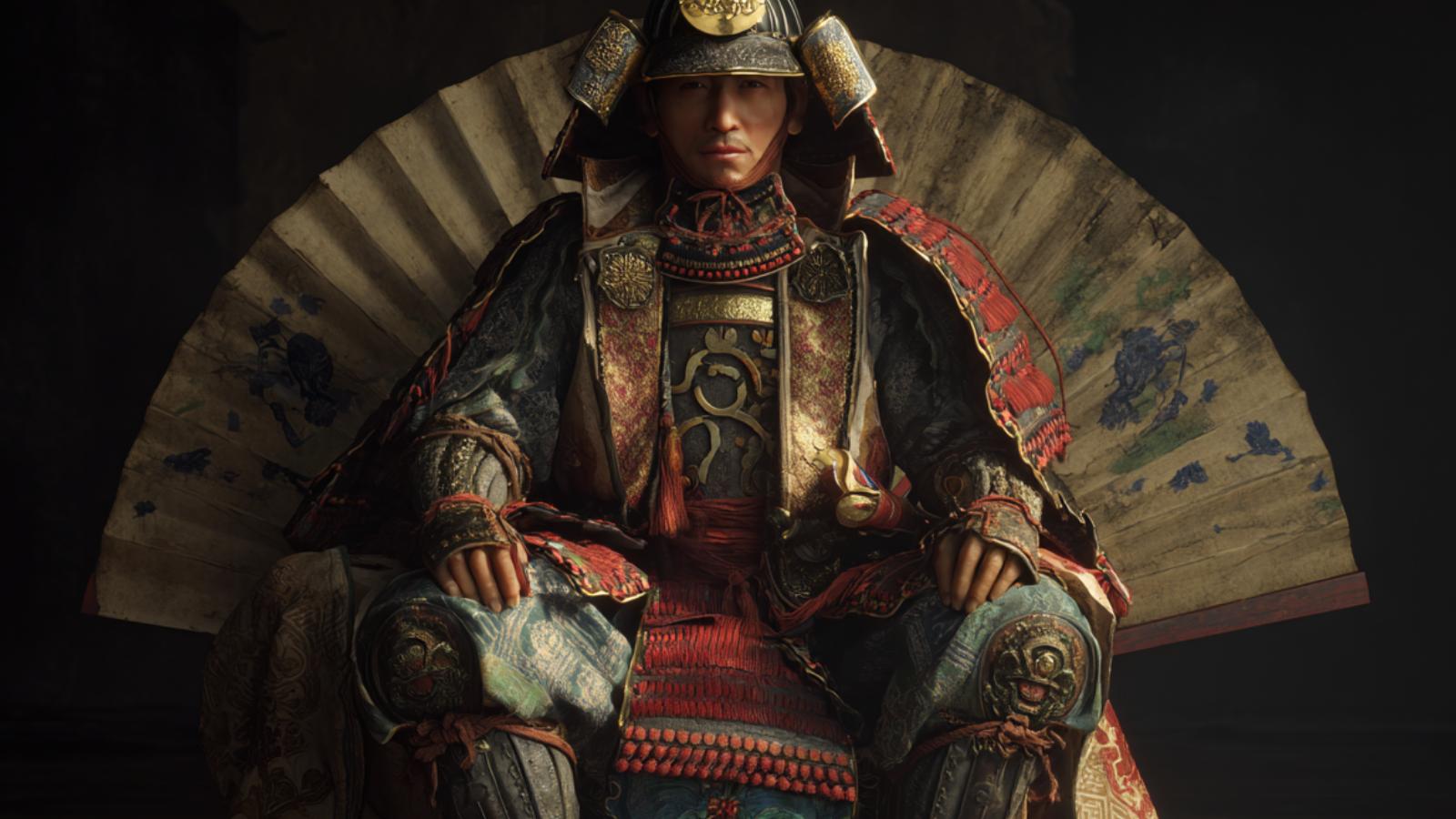
“信じる者には道が開ける。”
— A path will open for those who believe.

| Lead 統率 |
Valor 武勇 |
Intel 知略 |
Pol 政治 |
|---|---|---|---|
| 70 | 65 | 75 | 60 |
| Name (JP) | 松田 憲秀 |
|---|---|
| Title | Daimyo |
| Clan / Force | Unknown |
| Era | 1540 – 1605 |
| Origin | Higo |
| Key Battles | |
| Arts | Noh Theatre |
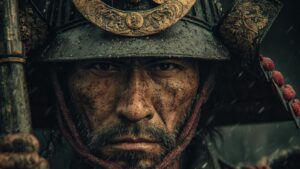
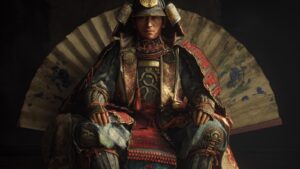
About Matsuda Norihide
Growing up, he was immersed in both military training and cultural pursuits, particularly Noh Theatre, which later influenced his leadership style.
His upbringing as a Shugo positioned him to ascend through the ranks of samurai society while instilling a strong sense of duty and honor.
As a young samurai, Norihide quickly gained recognition for his strategic acumen and ability to rally troops.
His leadership during local skirmishes helped him accumulate power, and by the time he was in his twenties, he became recognized as a capable leader of his clan.
His adeptness in both military and diplomatic matters allowed him to forge alliances that proved crucial in his .
He was particularly noted for effectively navigating the complex political landscape of the Sengoku period, which was fraught with rivalries and shifting allegiances.
Norihide played key roles in several significant during the late 16th century.
His most famous engagement was the battle for supremacy in the Kyushu region, where he adeptly coordinated with other daimyos to confront common enemies.
Although he did not achieve the legendary status of some of his contemporaries, his battlefield tactics and clever use of terrain showcased his capabilities as a general.
Despite facing defeats, he remained resolute, proving that his leadership was not only about winning, but also about inspiring loyalty and resilience among his followers.
After his death in 1605, Matsuda Norihide left behind a marked by both military accomplishments and cultural contributions.
His passion for Noh Theatre inspired later generations of samurai to appreciate the arts in conjunction with their martial duties.
Historians often regard him as a symbol of the evolving samurai, blending the virtues of the warrior with the sensitivity of the artist.
Norihides life continues to be studied for its insights into the complex roles that samurai played in both governance and culture during an era of near-constant warfare.
comment