
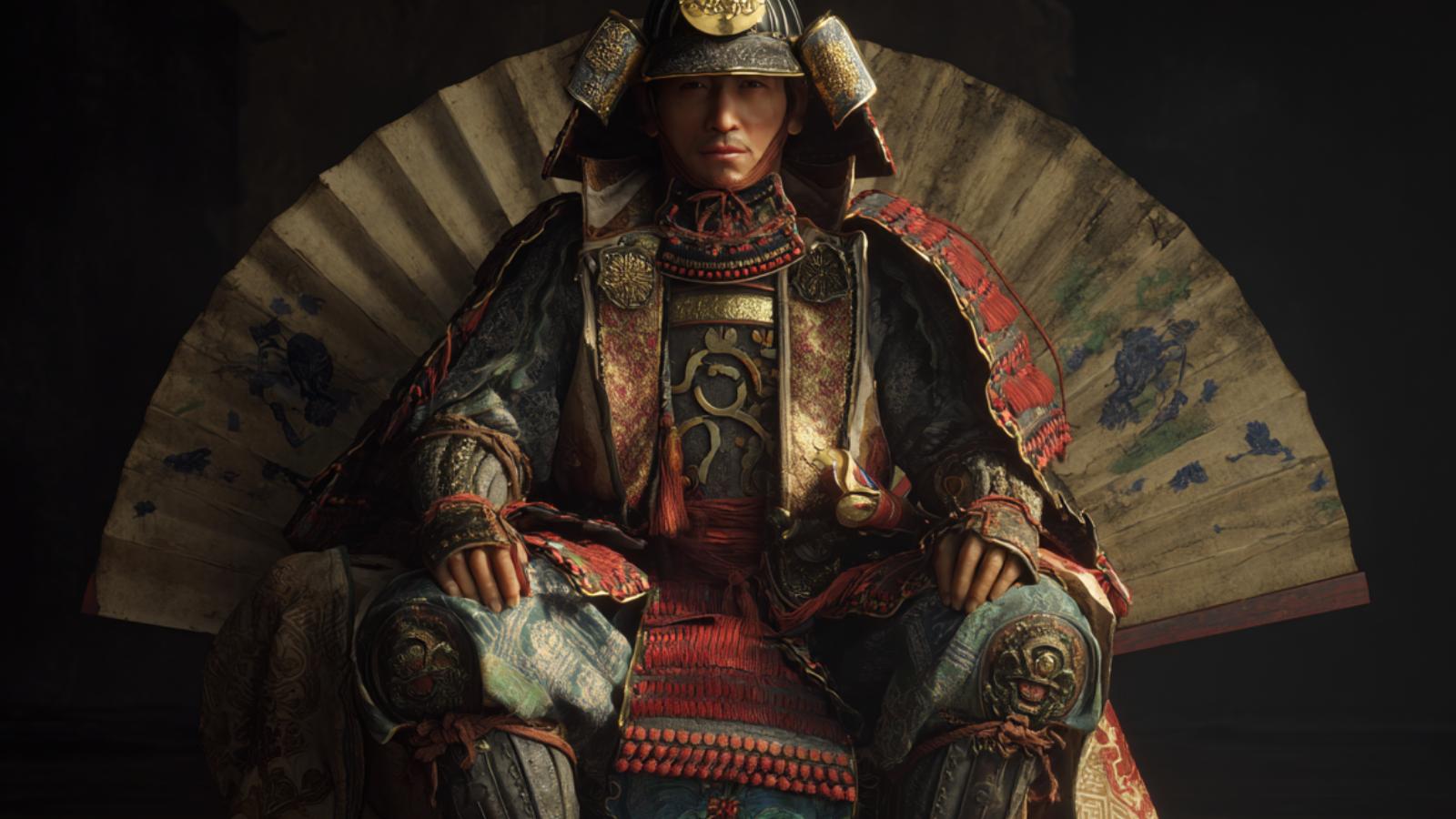
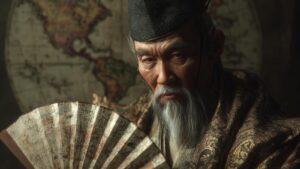
“我が忠義、汝に従う。”
— My loyalty follows you.

| Lead 統率 |
Valor 武勇 |
Intel 知略 |
Pol 政治 |
|---|---|---|---|
| 70 | 60 | 75 | 65 |
| Name (JP) | 北条 氏規 |
|---|---|
| Title | Daimyo |
| Clan / Force | Hojo Clan |
| Era | 1530 – 1590 |
| Origin | Kanto |
| Key Battles | |
| Arts | Ikebana |
About Hojo Ujinori
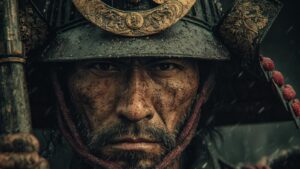
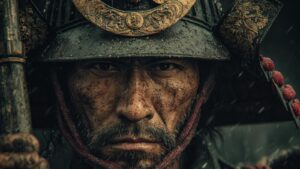
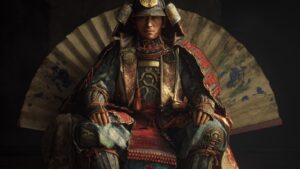
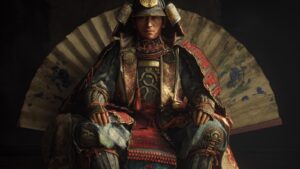
Raised in a time of constant strife and warfare, Ujinori exhibited signs of leadership from a young age, being steeped in the samurai traditions and the complexities of feudal governance.
His lineage as a shugo shaped his understanding of both military and civil affairs, preparing him for a future in leadership.
As the Sengoku period unfolded with ever-shifting alliances and conflicts, Ujinori rose through the ranks of the Hojo clan.
He demonstrated adeptness in both military strategy and governance, earning the respect of his peers and subjects alike.
His calculated decisions often tipped the scales during critical confrontations, showcasing his intelligence and leadership ability.
By the late 1550s, he had attained the of daimyo, solidifying his position within the Kanto regions feudal hierarchy.
Ujinori participated in various throughout his career, where he demonstrated his valor and command skills.
His most notable engagement was during the Siege of Odawara in 1569, where he played a crucial role in defending his territory against external forces.
Although the battle did not end in the Hojos favor, his conduct during the siege contributed to his reputation as a capable general.
Ujinori’s understanding of military tactics and his ability to rally his troops were evident during these tumultuous times, though he had to deal with the political machinations of rival daimyos as well.
Hojo Ujinoris is often overshadowed by more famous contemporaries; however, he remains a respected figure in samurai history.
His commitment to his clan and the Kanto region, combined with his savvy political maneuvering, left a lasting impact that influenced subsequent generations.
Although he did not achieve the legendary status of figures like Oda Nobunaga or Tokugawa Ieyasu, Ujinoris role in the turbulent times of the Sengoku period remains significant, marking him as a capable and dedicated leader in Japanese history.

comment