
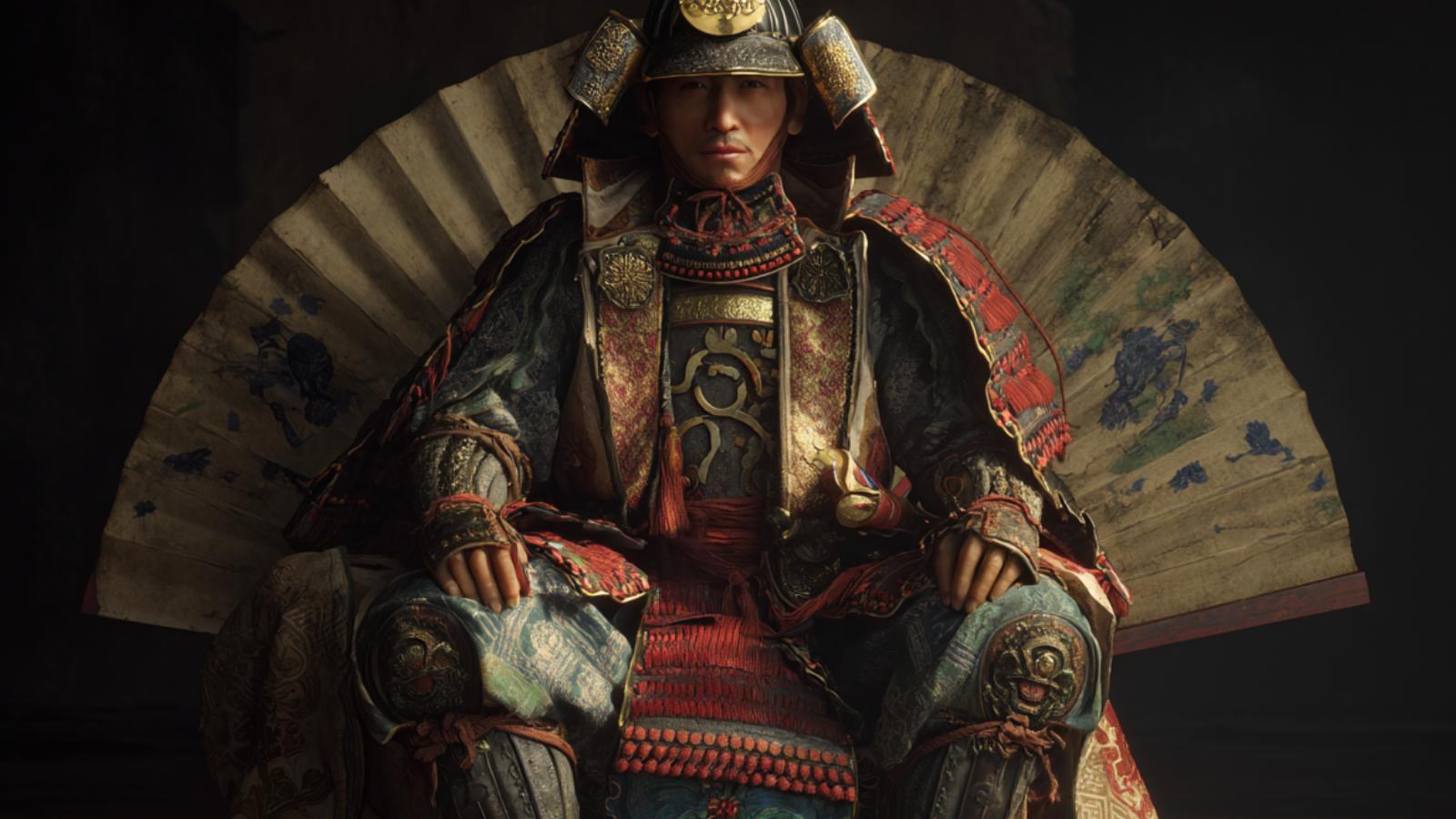
“士としての矜持を忘れず、逆境を越えよう。”
— Never forget your pride as a warrior, and overcome adversity.

| Lead 統率 |
Valor 武勇 |
Intel 知略 |
Pol 政治 |
|---|---|---|---|
| 75 | 73 | 78 | 66 |
| Name (JP) | 小幡 虎盛 |
|---|---|
| Title | Daimyo |
| Clan / Force | Toyotomi Clan |
| Era | 1560 – 1624 |
| Origin | Kōzuke |
| Key Battles | |
| Arts | Noh Theatre |
About Obata Toramori
His early years were marked by a solid education in both martial and cultural disciplines, shaping him into a well-rounded leader.
Toramori was deeply influenced by the tumultuous nature of his surroundings during the Sengoku period, fostering a strong sense of duty and honor as a samurai.
Obata Toramori’s to prominence came during the latter part of the Sengoku period.
As a capable retainer under various warlords, he honed his skills in military strategy and tactics.
His ability to command troops effectively during crucial campaigns earned him respect and recognition.
Over time, he was entrusted with significant responsibilities, eventually attaining the of daimyo.
Toramori’s reputation as a formidable leader was built on his tactical mind and the loyalty he inspired in his followers.
Throughout his career, Toramori participated in numerous that significantly altered the power dynamics in Japan.
His strategic prowess was showcased in against rival clans where he often turned the tide in favor of his lord.
His personal valor was noteworthy, as he led from the front, instilling courage in his men.
These engagements cemented his as a capable general of his time, demonstrating a balance of intelligence and bravery that was essential for survival in this chaotic era.
Toramori’s impact on Japanese history extends beyond his military exploits.
He was a patron of cultural activities, particularly Noh Theatre, which flourished during his time.
His is remembered not only for his battlefield achievements but also for his contributions to the arts and governance, reflecting a holistic understanding of what it meant to be a leader in feudal Japan.
Obata Toramori remains a respected historical figure, eming the values of loyalty, courage, and cultural appreciation that define the samurai ethos.








comment